
Beautiful Plants For Your Interior
Beautiful Plants For Your Interior
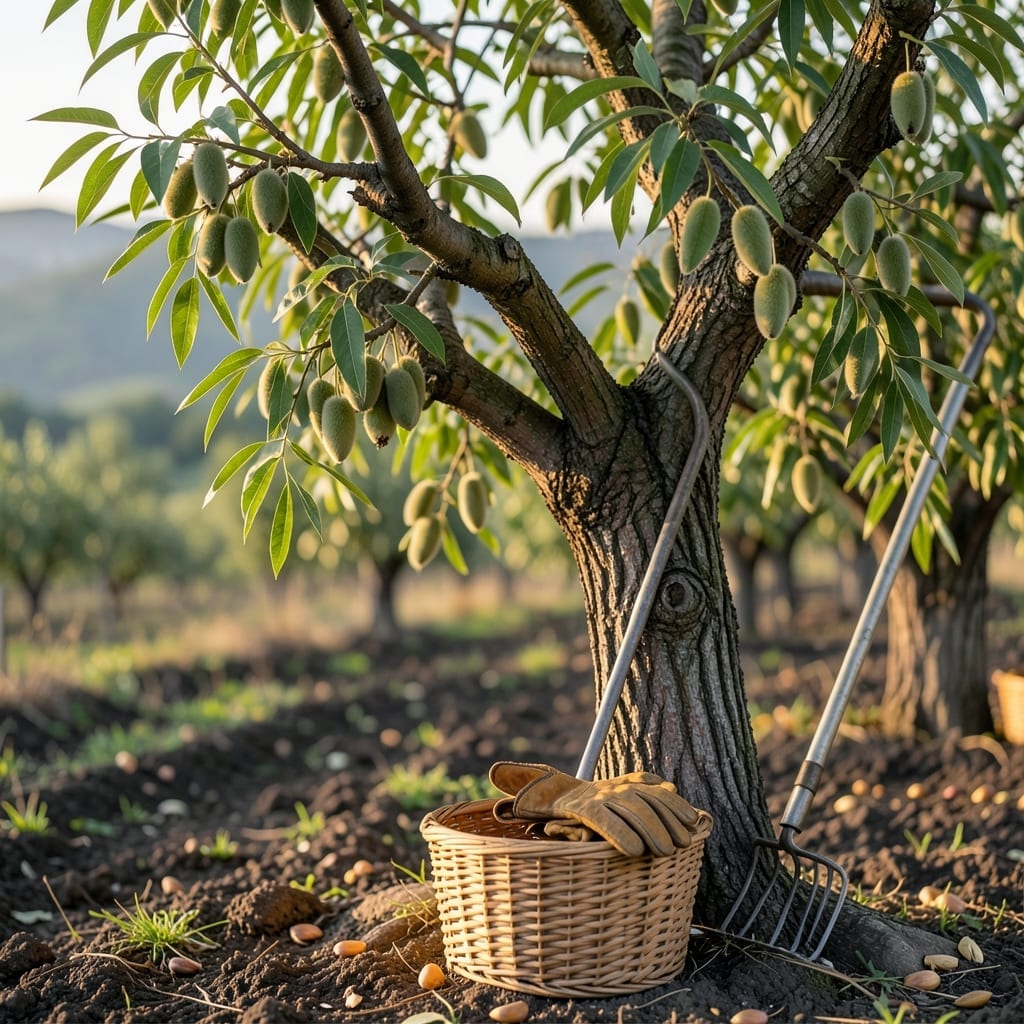
Knowing exactly when almonds are ready to pick can mean the difference between a bountiful harvest and a missed opportunity. The key lies in recognizing the subtle signs of hull split and kernel development.
I’ve seen many gardeners struggle with timing, but with the 🌰 Almond tree, nature gives us clear signals. Watch for the hulls to split open, revealing the hard shell inside.
This typically happens between July and October, depending on your climate zone. The nuts should be dry and fully formed when you shake the tree.
Discover how to read these signs accurately and ensure you harvest at the perfect moment for the best flavor and quality.


Timing your almond harvest perfectly starts with watching for hull split. This is when the green outer hull begins to open, revealing the hard shell inside. It’s nature’s clear signal that the nuts are maturing and nearing readiness.
The hull split process typically begins 180-240 days after blooming, depending on the variety and climate conditions. In most regions, this occurs from July to October. The split starts small and widens as the kernel inside dries and hardens.
| Stage | Visual Sign | Timing |
|---|---|---|
| Early Split | Hull begins to crack | 1-2 weeks before harvest |
| Mid Split | Hull opens halfway | 3-7 days before harvest |
| Full Split | Hull fully open, shell visible | Ready to pick |
| Overripe | Hull dries, nuts may fall | Past prime |
I always check my almond trees daily once the first hull splits appear. The shell color changes from green to brown as it hardens. This is a great visual cue that the nuts are developing properly inside.
Another sign I look for is the kernel’s moisture content. When the hull splits widely, the nut inside should be dry and firm. If it’s still soft or rubbery, the almonds need more time to mature on the tree.
Climate plays a huge role in timing. In hotter regions, hull split may happen earlier, while cooler areas could see a delayed split. Varieties like Nonpareil often split 10-14 days before others like Mission or Carmel.
I’ve learned that morning inspections are best. The cool temperatures make it easier to spot the subtle changes in hull and shell. By midday, the heat can sometimes make the hulls appear more open than they are.
If you notice birds or squirrels showing interest in your almond tree, that’s another sign the nuts are nearing ripeness. These critters have a knack for knowing when the harvest is close, so keep an eye out for their activity.
For the best results, I shake the tree gently. If the nuts fall easily, they’re likely ready. If they resist or stay attached, give them a few more days. This simple test helps prevent premature harvesting.
Remember, harvest timing affects both yield and quality. Picking too early can result in underdeveloped kernels, while waiting too long risks nut loss from over-ripening or pests. Hull split is your best guide.
With practice, you’ll recognize the perfect window for picking. Trust the visual cues and your daily observations to get it right every time 🌿
Timing your almond harvest perfectly starts with testing kernel maturity. I check for shell color changes first—green shells mean they’re not ready, while brown shells signal ripeness. This is your first visual clue. ☀️
The moisture content test is another reliable method. I crack open a few nuts from different branches to check the kernel inside. If it’s plump and dry, it’s ready. Soft or shriveled kernels need more time. 🌿
Avoid the common mistake of harvesting too early. I’ve learned that green hulls or rubbery shells mean the nuts aren’t ready. Patience ensures full flavor and longer storage life. ✂️
Another trick I use is the tree shake test. When 90% of hulls have split, I give the tree a gentle shake. If nuts rain down, it’s time to harvest. This method works especially well for larger trees. 🌳
For smaller orchards, I recommend checking multiple trees daily as the season progresses. Varieties like Nonpareil may ripen 1-2 weeks earlier than others like Mission. Keep notes for next year! 🌱
Finally, weather conditions can speed up or delay ripening. A heat wave may cause early splitting, while cool temperatures can slow it down. Always adjust your timing based on local climate patterns. 💧