
Beautiful Plants For Your Interior
Beautiful Plants For Your Interior
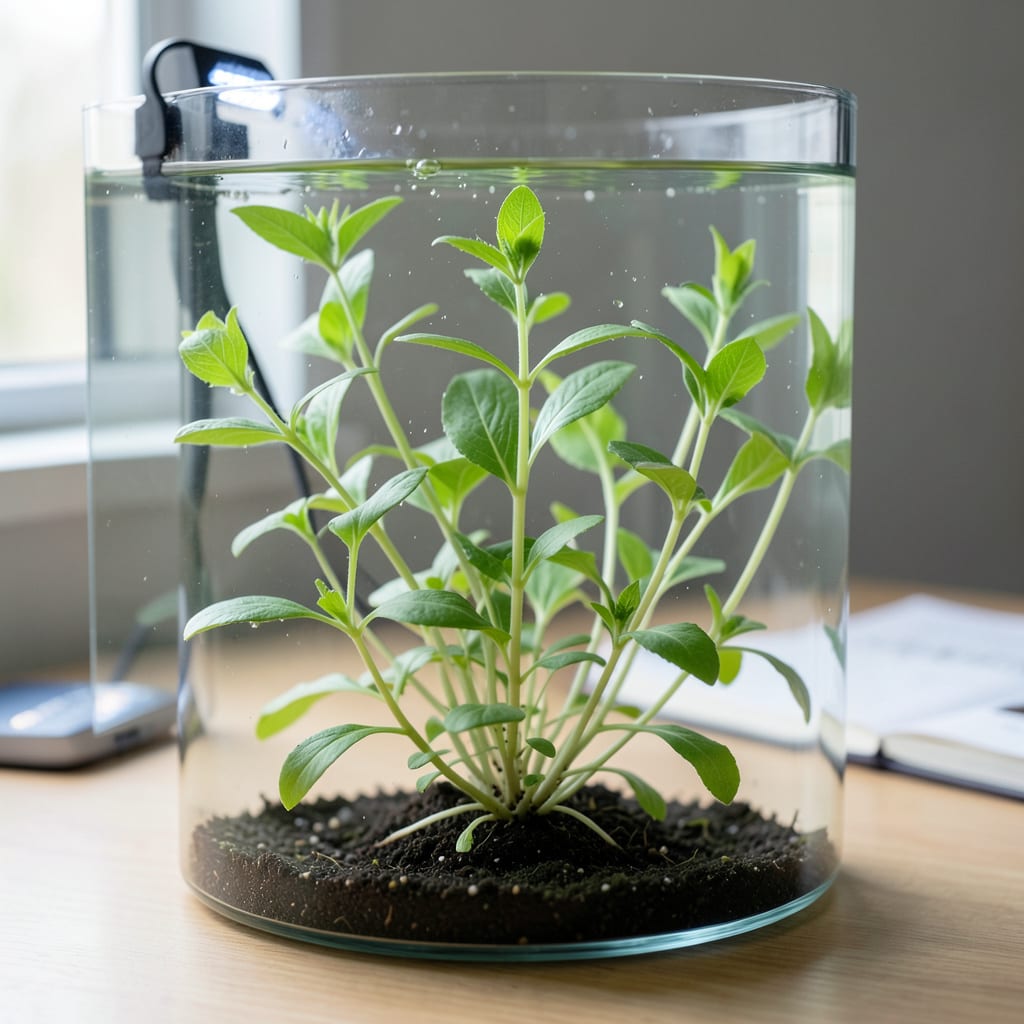
If you’ve ever watched your aquarium’s 🌿 Elodea transform into a bubbling oxygen factory under bright light, you’ve witnessed photosynthesis in overdrive. This underwater powerhouse doesn’t just grow—it thrives, releasing visible bubbles that signal peak health and vitality.
But here’s the catch: too much or too little light can throw everything off balance. I’ll break down exactly how bright light fuels Elodea’s explosive growth, what happens when conditions aren’t ideal, and how to harness this energy for a thriving aquatic ecosystem. Let’s dive in.

If you’ve ever watched your Elodea plant bubble furiously under bright light, you’ve witnessed photosynthesis in overdrive. This aquatic plant thrives when exposed to 10-12 hours of bright, indirect light daily, converting light energy into rapid growth and oxygen release.
The secret lies in its chlorophyll-rich leaves, which absorb light to produce sugars and oxygen. Under optimal conditions, Elodea can grow 1-3 inches per week, making it a favorite for aquariums and classroom experiments. Those tiny bubbles? Pure oxygen—proof your plant is happy!
| Growth Factor | Bright Light Effect |
|---|---|
| Oxygen Production | Visible bubbles form on leaves within 30 minutes of light exposure |
| Growth Rate | Stems elongate 1-3 inches weekly with proper light |
| Leaf Density | Leaves grow thicker and greener under consistent bright light |
| Photosynthesis | Chlorophyll activity peaks at 70% light intensity |
| Algae Resistance | Healthy Elodea outcompetes algae when light is balanced |
Bright light doesn’t just fuel growth—it transforms Elodea into an oxygen powerhouse. In classroom experiments, students often count 50+ bubbles per minute from a single sprig under a desk lamp. This makes Elodea perfect for teaching photosynthesis basics.
For aquarium hobbyists, bright light means less algae. Healthy Elodea absorbs excess nutrients, starving algae before it can take hold. I’ve seen tanks stay crystal clear simply by maintaining consistent 10-hour light cycles for their Elodea.
But there’s a catch: too much direct sunlight can backfire. While Elodea loves bright light, intense midday sun can cause leaf bleaching or temperature spikes. That’s why east-facing windows or LED grow lights work best.
The plant’s response to light is nearly instant. Within 24 hours of increasing light, you’ll notice stems straightening and new side shoots forming. This adaptability makes Elodea ideal for both beginner aquarists and experienced pond keepers.
Pro tip: If your Elodea isn’t bubbling, check your light source. Old fluorescent bulbs lose intensity over time. Switching to full-spectrum LEDs often revives sluggish plants within days. I’ve rescued many “dying” Elodea plants with this simple fix.
Remember, Elodea’s light needs change with seasons. In winter, you might need to extend artificial light to maintain growth. Come summer, watch for algae blooms if natural light becomes too intense. Balance is everything with this plant!
Whether you’re growing Elodea in a 5-gallon tank or a backyard pond, proper lighting turns it into a self-cleaning, oxygenating marvel. Those bubbles aren’t just pretty—they’re proof your aquatic ecosystem is thriving.🌿
Getting the light right for your 🌿 Elodea plant means the difference between a thriving oxygen factory and a struggling, algae-prone mess. Whether you’re growing it in a home aquarium or an outdoor pond, the key is balancing intensity, duration, and light source.
Elodea flourishes under 10-12 hours of bright, indirect light daily. This mimics its natural habitat in shallow ponds where sunlight filters through water. Too little light slows growth, while too much invites algae. I’ve found LED grow lights work best for indoor setups.
| Light Source | Intensity | Duration | Best For |
|---|---|---|---|
| Natural Sunlight | Bright, indirect (east window) | 6-8 hours | Outdoor ponds, large tanks |
| LED Grow Lights | Full spectrum, 70% intensity | 10-12 hours | Indoor aquariums, classrooms |
| Fluorescent Bulbs | Cool white, 50-60% intensity | 8-10 hours | Budget setups, small tanks |
| Direct Sunlight | Too intense (avoid midday) | 2-4 hours max | Outdoor ponds (morning only) |
For indoor aquariums, I recommend full-spectrum LED lights on a timer. Set them for 10-hour cycles to mimic natural daylight. This consistency prevents stress and keeps your Elodea growing steadily without encouraging algae blooms.
Outdoor pond growers should place Elodea where it gets morning sun but afternoon shade. Direct midday sun can overheat water and bleach leaves. I’ve seen ponds stay algae-free simply by adding floating plants to diffuse intense sunlight.
Watch for seasonal changes too. In winter, you might need to supplement with grow lights to maintain 10-hour exposure. Summer may require reducing light duration if your tank water temperature climbs above 78°F.
Remember, Elodea’s light needs are flexible but precise. A simple light meter app can help you monitor intensity. When you get it right, you’ll be rewarded with vibrant green growth and those satisfying oxygen bubbles.☀️
Pro tip: If you notice brown spots or slowed growth, check your light placement. Sometimes just raising the light source 6 inches above the water can make all the difference in preventing light burn.
Your 🌿 Elodea plant tells you everything you need to know about its light conditions—if you know what to look for. Those bubbles and vibrant green leaves aren’t just pretty; they’re health indicators that reveal whether your lighting is spot-on or stressing your plant.
I’ve rescued countless Elodea plants by simply adjusting their light exposure. The tricky part? Symptoms of too much light can mimic those of too little. Let’s decode the three most telling signs so you can take action before your plant suffers long-term damage.
Bleached or Yellowing Leaves
Too much direct light causes chlorophyll breakdown, turning leaves pale yellow or white. This “sunburn” effect often appears on topmost leaves first. If you notice this, move your plant away from intense light or add floating plants to diffuse sunlight.
Stunted Growth or Leggy Stems
Insufficient light makes Elodea grow tall and sparse as it stretches toward light sources. Healthy plants should have compact, bushy growth with leaves every 0.5 inches. If stems look “leggy” with wide gaps between leaves, increase light duration or intensity gradually.
Algae Overgrowth on Leaves
While some algae is normal, black beard or green spot algae exploding overnight signals light imbalance. This happens when light intensity/duration exceeds what Elodea can use, leaving excess nutrients for algae. Reduce light to 8 hours daily and perform a 25% water change to reset the balance.
Here’s my go-to fix for light-stressed Elodea: the 3-Day Reset. Move your plant to moderate indirect light for 72 hours while maintaining stable water conditions. You’ll often see improvement within 24 hours as the plant recalibrates its photosynthesis.
For aquarium setups, I recommend using a timer-controlled LED light set to 10-hour cycles. This consistency prevents the stress fluctuations that come with manual lighting. Outdoor pond growers should watch for seasonal changes—what works in spring may scorch plants by midsummer.
Remember, Elodea’s light needs change as it grows. A small cutting might thrive under 8 hours of light, while a mature plant could need 12 hours to maintain its oxygenating power. Observe your plant weekly and adjust incrementally—sudden changes shock the system.
Those oxygen bubbles you love? They’re your plant’s way of saying “thank you” for perfect light. When the bubbles slow or stop, it’s time to reassess your setup. With these signs in mind, you’ll keep your Elodea vibrant, healthy, and bubbling year-round.💧
Those bubbles are pure oxygen—visible proof of photosynthesis in action! Under bright light, Elodea’s chlorophyll works overtime, converting light energy into oxygen faster than it can dissolve in water. A healthy plant can release 50+ bubbles per minute when conditions are ideal.
Regular LEDs work in a pinch, but full-spectrum grow lights are better. Standard bulbs lack the red/blue wavelengths Elodea needs for optimal growth. If using regular LEDs, place them closer (6-12 inches above water) and extend duration to 12 hours daily.
With proper adjustments, you’ll see improvement within 24-48 hours. Move stressed plants to moderate light, maintain stable water conditions, and trim damaged leaves. Most Elodea bounce back completely in 5-7 days when given consistent, appropriate lighting.
Reduce to 8-10 hours daily in winter when growth naturally slows. Use a timer to maintain consistency—sudden changes stress plants. Supplement with grow lights if natural light drops below 6 hours, but avoid exceeding 10 hours to prevent algae.
It survives but won’t thrive. Expect slower growth (0.5 inches/week), pale leaves, and fewer oxygen bubbles. For low-light tanks, pair Elodea with floating plants to maximize light absorption. Consider adding liquid fertilizer to compensate for reduced photosynthesis.
