
Beautiful Plants For Your Interior
Beautiful Plants For Your Interior
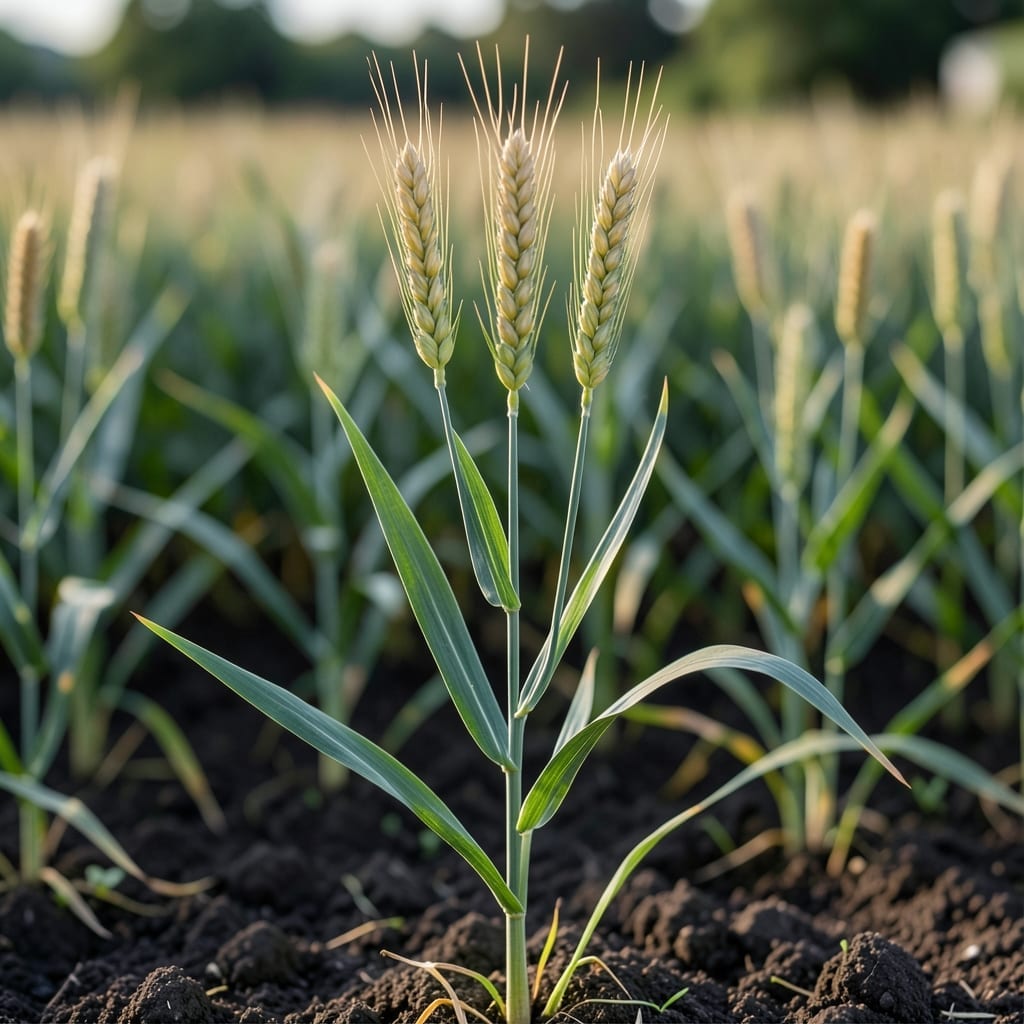
That golden, swaying look in your garden might not be wheat at all. I’ve mistaken ornamental grasses for wheat more times than I’d like to admit—until I learned the simple tricks to tell them apart.
Some varieties give you edible grains, while others just give you that rustic, farmhouse aesthetic. The care is easier than you’d think: most thrive with full sun and well-draining soil, and some even tolerate drought.
You’ll spot the difference fast—wheat has dense, uniform seed heads, while ornamental types often flaunt feathery plumes or cascading spikes. Either way, both add texture and movement to your space.
Perfect for borders, containers, or a focal point that catches the wind. Here’s how to grow and ID them with confidence.
The appearance of a wheat-like plant in unexpected places often stems from specific environmental and biological factors. Below, we break down the most common causes with clear, actionable explanations.
Many grasses and cereals, including wheat (Triticum spp.), produce lightweight seeds that travel easily on wind currents. Birds, rodents, or even human activity (e.g., contaminated soil or compost) can also transport seeds to new locations. Action: Inspect nearby fields, bird feeders, or compost piles for potential sources.
Wheat-like plants thrive in well-drained, nutrient-rich soils with a pH of 6.0–7.5. If your garden or yard has loose, fertile soil—especially after tilling—dormant seeds may germinate. Action: Test soil pH and amend with lime (to raise pH) or sulfur (to lower pH) if needed to discourage unwanted growth.
If wheat or similar grains (e.g., barley, rye) were grown nearby in past seasons, fallen seeds can lie dormant and sprout when conditions are right. Even a single missed stalk can produce dozens of new plants. Action: Rotate crops or solarize soil (cover with clear plastic for 4–6 weeks) to kill dormant seeds.
Some wild grasses, like quackgrass (Elymus repens) or cheatgrass (Bromus tectorum), resemble wheat but are invasive. These spread aggressively via rhizomes or prolific seed production. Action: Pull plants before seeding and dispose of them in sealed bags to prevent regrowth.
If your wheat-looking plant isn’t thriving, don’t worry—most problems have simple fixes. Below are targeted solutions for common issues, paired with prevention tips to keep your plants healthy long-term.
Cause: Overwatering or nutrient deficiency.
Fix: Check soil moisture—let the top inch dry before watering again. If the soil is dry but leaves persist, use a balanced fertilizer (10-10-10) to replenish nutrients. Trim yellow leaves to redirect energy to healthy growth.
💡 Prevention: Water deeply but infrequently, and test soil drainage. Add compost annually for a nutrient boost.
Cause: Aphids, mites, or beetles targeting tender stems.
Fix: Spray plants with neem oil or insecticidal soap at dusk, focusing on undersides of leaves. For severe cases, introduce beneficial insects like ladybugs. Remove heavily infested leaves immediately.
💡 Prevention: Rotate crops yearly and keep the area free of debris where pests hide.
Cause: Poor soil quality or insufficient sunlight.
Fix: Amend soil with organic matter (e.g., peat moss or manure) to improve structure. Ensure plants receive at least 6–8 hours of direct sunlight daily. Thin crowded seedlings to reduce competition for resources.
💡 Prevention: Test soil pH (ideal: 6.0–7.0) and adjust with lime or sulfur if needed. Plant in well-draining, sunny spots from the start.
Cause: Sudden temperature drops in early spring or fall.
Fix: Cover plants with frost cloth or old blankets overnight. Water soil before a freeze to insulate roots. Prune damaged foliage after thawing to encourage new growth.
💡 Prevention: Plant cold-hardy varieties and monitor weather forecasts to act early.
Edible wheat has dense, uniform seed heads on short stems. Ornamental types often have feathery or cascading spikes. For confirmation, check if the grains are tightly packed and the plant reaches 2-4 feet tall.
Plant in full sun with well-draining soil. Water when the top inch feels dry. Most varieties thrive with minimal care, even tolerating drought once established.
Brown tips often mean underwatering or low humidity. Increase watering frequency slightly and mist leaves in dry climates. Remove brown sections to encourage new growth.
Yes! Choose a container at least 12 inches deep with drainage holes. Use potting mix and place in a sunny spot. Container-grown plants may need more frequent watering.