
Beautiful Plants For Your Interior
Beautiful Plants For Your Interior
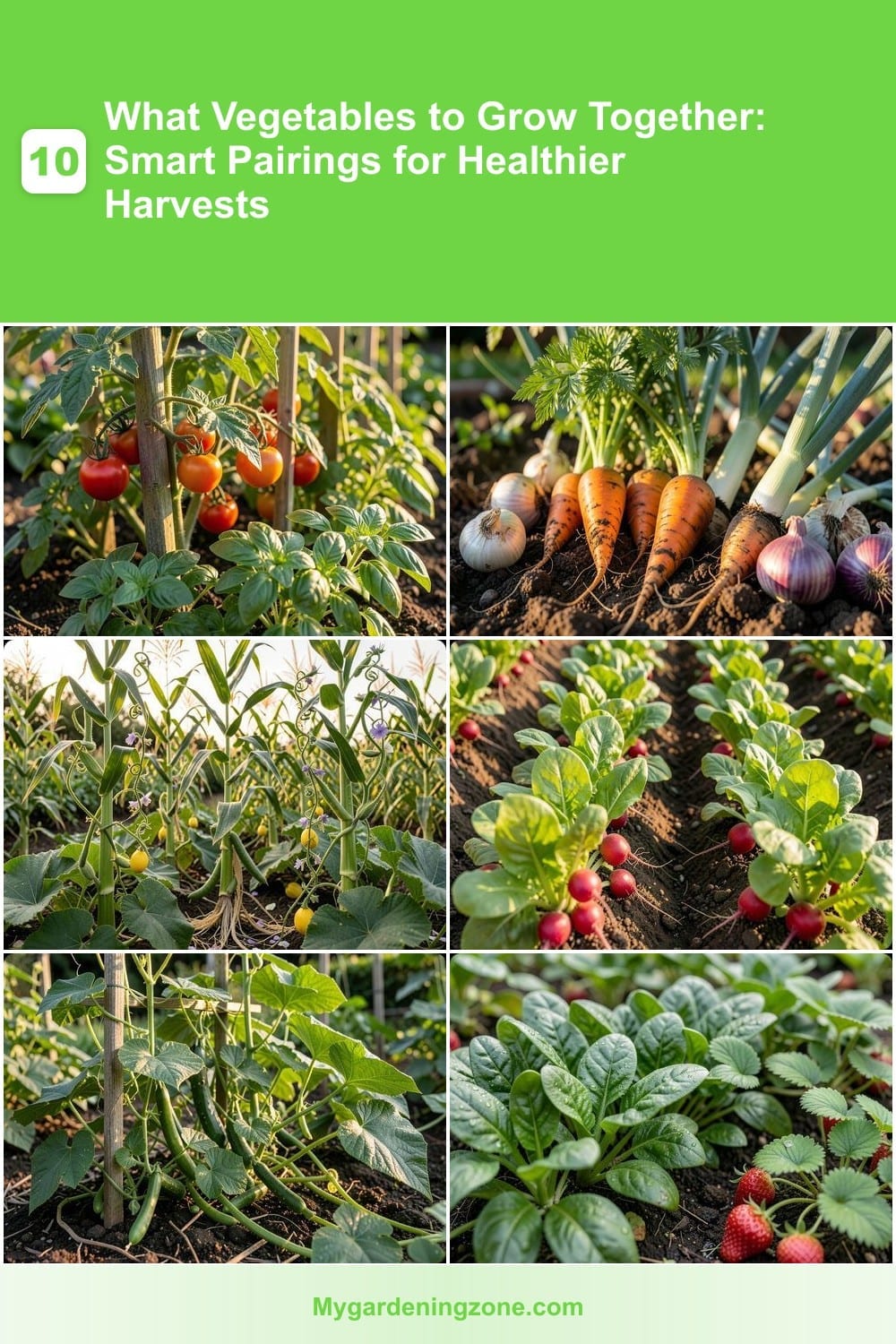
Discover the best vegetable pairings for your garden to boost growth, deter pests, and maximize space. Companion planting is a natural way to create a thriving, productive garden with minimal effort.
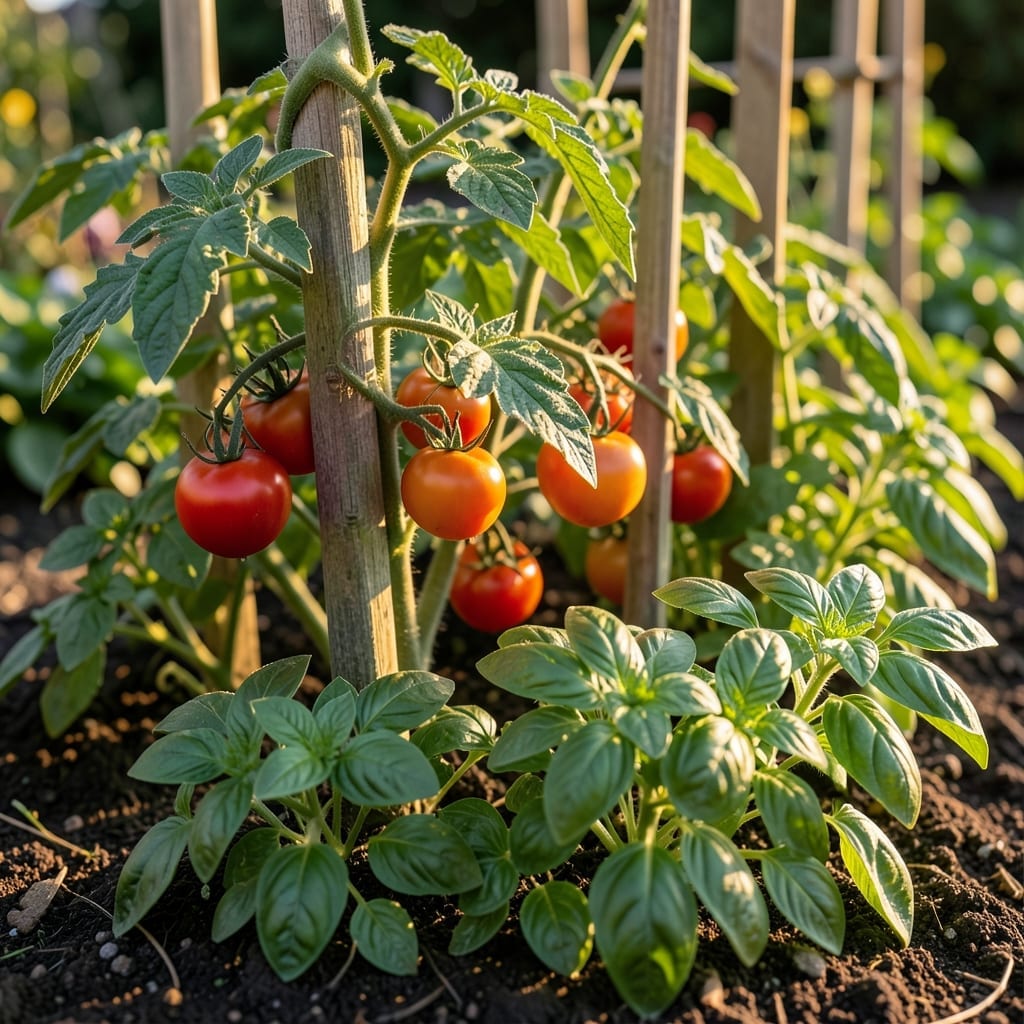
This classic pairing does more than just look beautiful in your garden—it creates a mutually beneficial relationship that boosts both plants’ health and productivity.
Planting basil near your tomatoes enhances their flavor while naturally repelling pests like thrips and whiteflies. The herb’s strong scent masks the tomato plants, making them harder for pests to locate. Basil also thrives in the same warm, sunny conditions that tomatoes prefer.
Home gardeners love this combo because it requires no extra effort—just plant them together and watch both flourish. 🌱
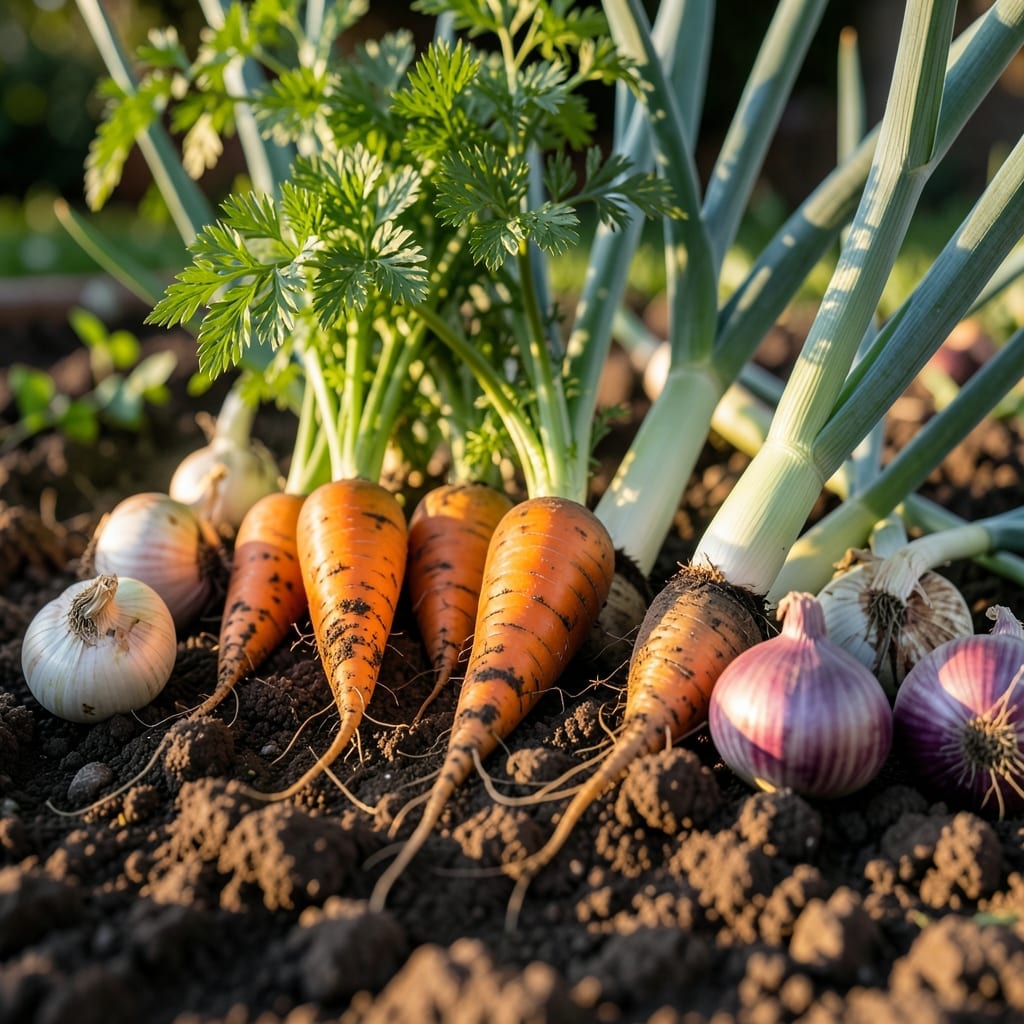
Carrot flies can ruin your harvest, but planting onions and leeks nearby offers a natural, chemical-free solution. Their strong scent confuses and deters these pests, protecting your carrots without any extra effort.
In return, carrots help break up compacted soil with their deep roots, creating better growing conditions for the shallow-rooted alliums. This pairing works especially well in raised beds or heavy clay soils where drainage is a challenge.
Organic gardeners will love this low-maintenance combo that improves both pest control and soil structure. 🌱
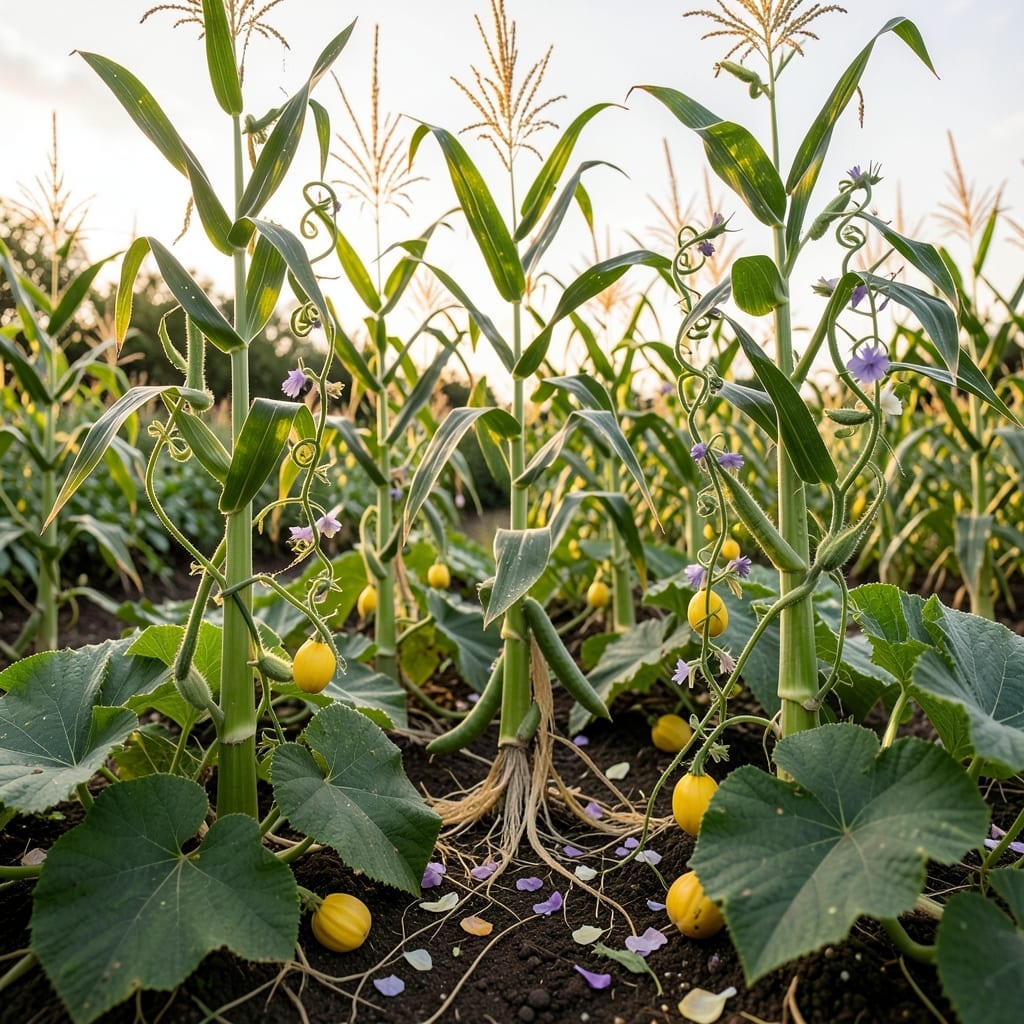
This ancient Native American technique turns your garden into a self-sustaining ecosystem. The Three Sisters method combines corn, pole beans, and squash in perfect harmony, with each plant supporting the others’ growth.
The corn stalks serve as natural trellises for the climbing pole beans, which in turn fix nitrogen in the soil. Meanwhile, the large squash leaves shade the ground, retaining moisture and suppressing weeds. This trio thrives together with minimal intervention.
Ideal for gardeners who want maximum yield from minimal space while honoring traditional growing wisdom. 🌱
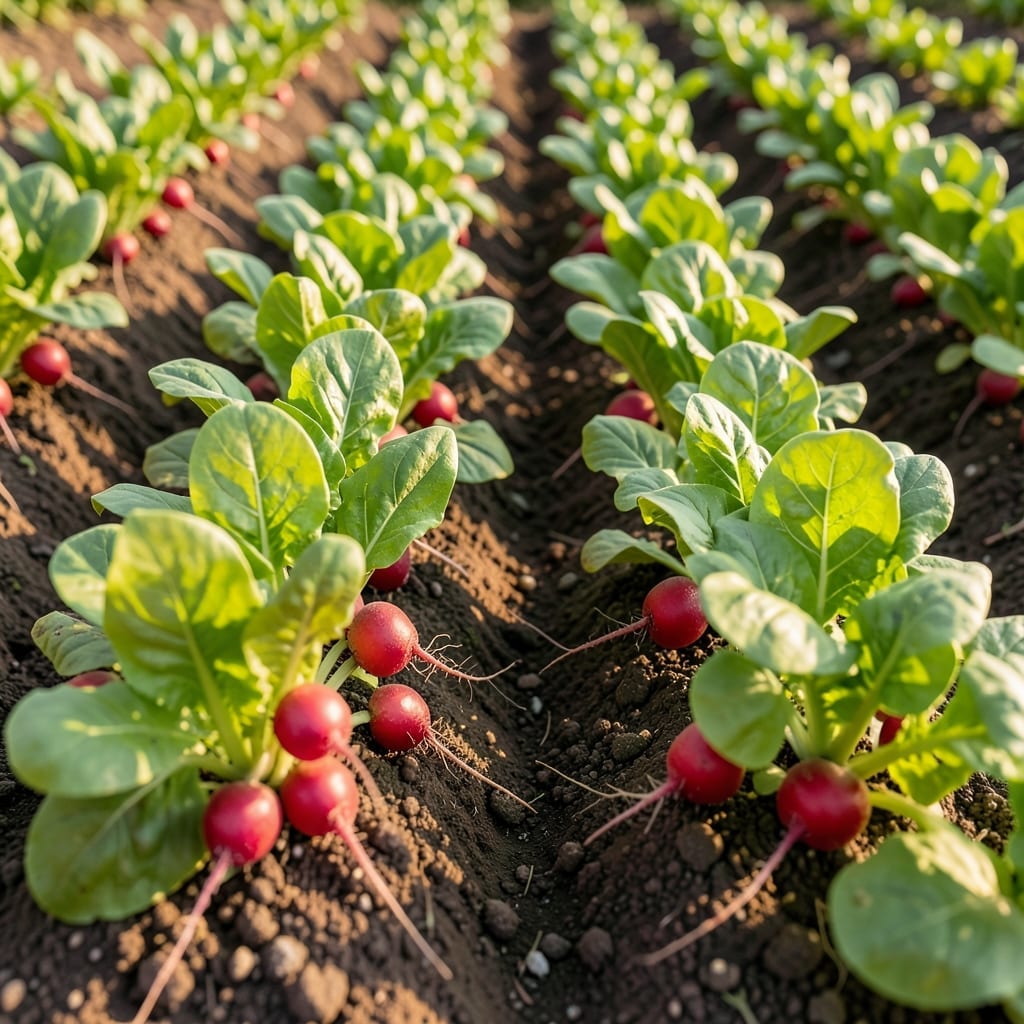
Struggling to keep your lettuce rows straight? Pairing radishes with lettuce solves two problems at once. Radishes sprout in just a few days, creating visible markers for your slower-growing lettuce rows.
Beyond organization, this combo offers pest protection. The radishes’ strong scent deters leaf-eating pests like aphids and cabbage moths that love to attack lettuce. You’ll get a double harvest too—radishes in about 30 days and lettuce a few weeks later.
Perfect for gardeners who want both organization and natural pest control in their salad garden. 🌱
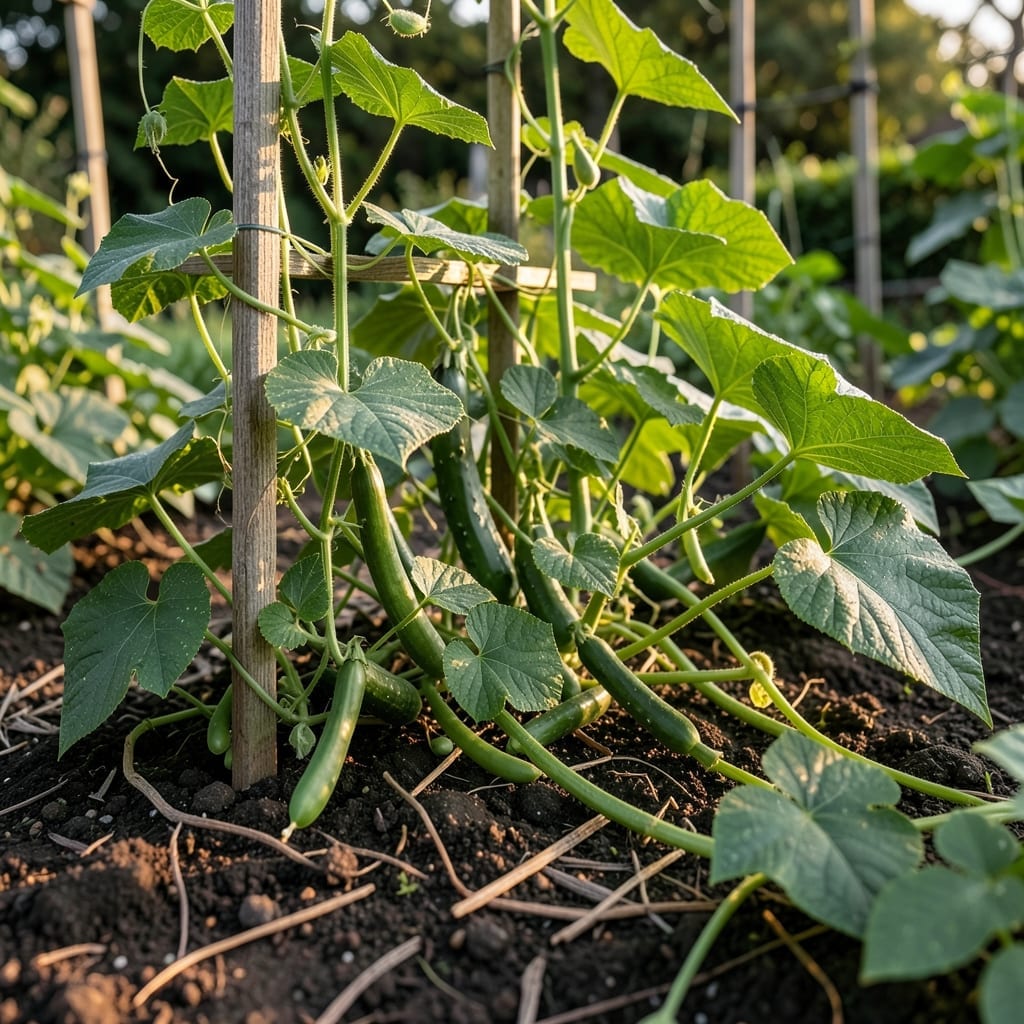
This power trio creates a self-feeding system that benefits all three plants. The beans and peas fix nitrogen in the soil, providing the perfect fertilizer for nitrogen-hungry cucumbers.
Meanwhile, the cucumber vines spread across the ground, shading the soil to keep it cool and moist—exactly what legumes prefer. Plant cucumbers to climb a trellis while beans and peas grow beneath, maximizing vertical space.
Ideal for gardeners who want to improve soil health while getting a bigger harvest from the same space. 🌱
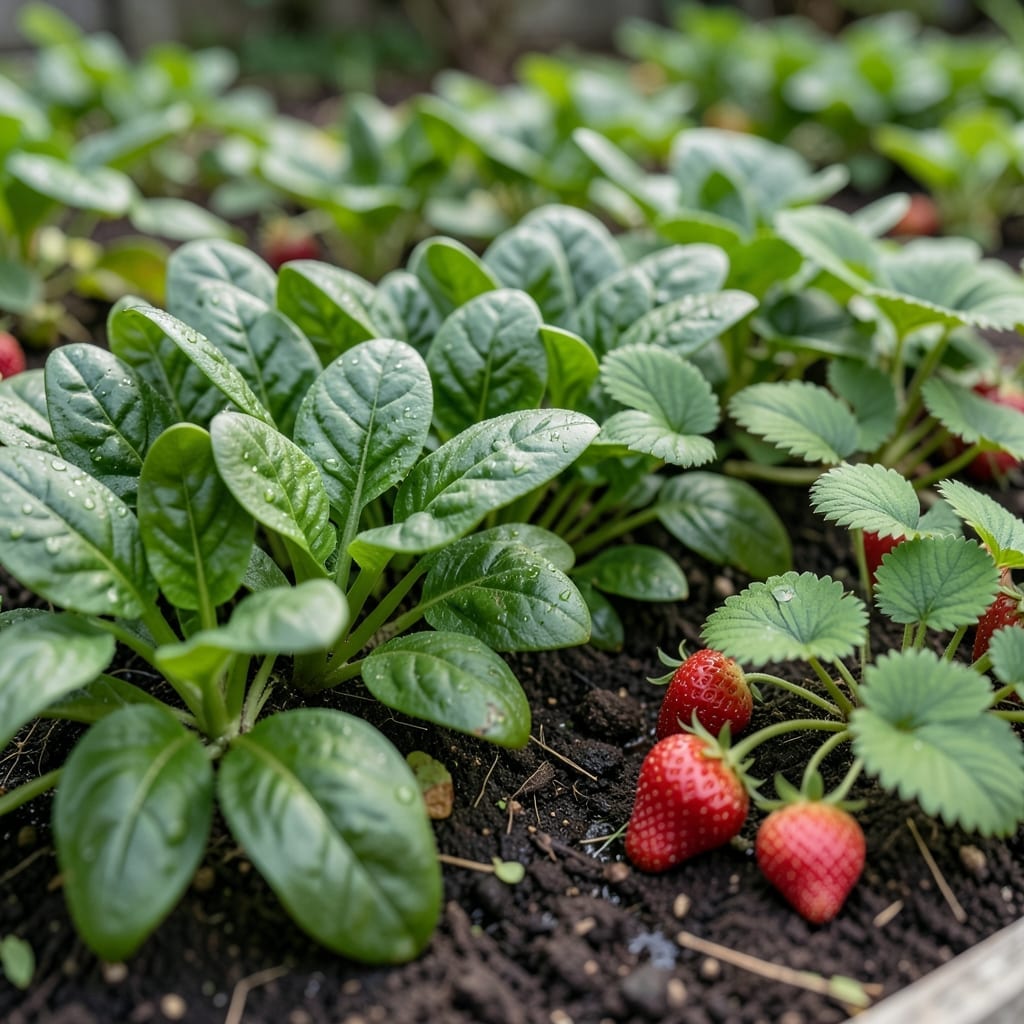
This unexpected garden pairing creates a win-win situation for both plants. Spinach grows quickly and forms a living mulch that keeps soil moist—perfect for thirsty strawberry plants.
The shallow root systems of spinach don’t compete with strawberries’ deeper roots, allowing both to thrive in the same space. You’ll also enjoy a staggered harvest: spinach in early spring and strawberries as the season progresses.
Ideal for gardeners looking to maximize space and water efficiency in their berry patches. 🌿
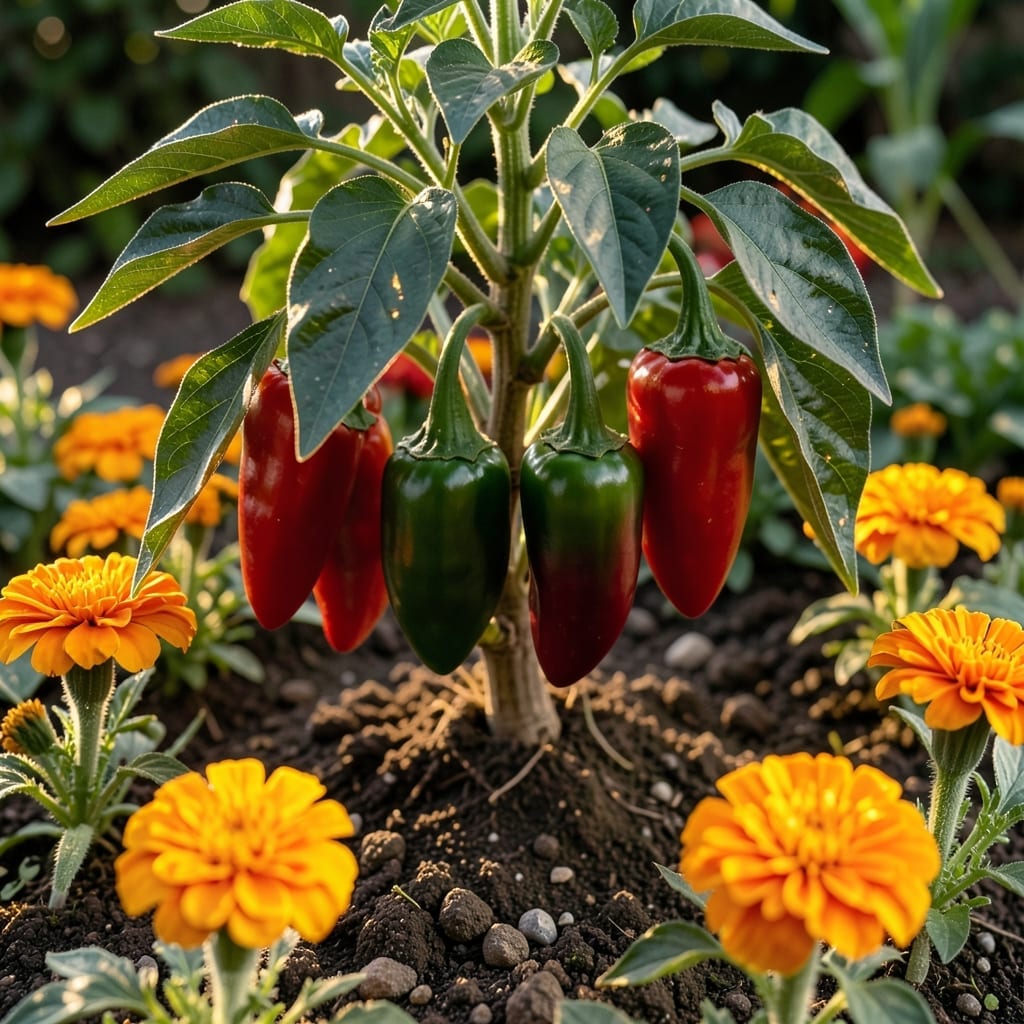
Tired of watching pests ruin your pepper plants? Pairing them with marigolds creates a natural defense system that keeps your harvest safe.
Marigolds release chemicals that repel nematodes and other pests that commonly attack peppers, while their bright orange and yellow blooms add a pop of color to your vegetable garden. Both plants share similar needs for full sun and well-drained soil.
This combo is perfect for gardeners who want to protect their peppers while adding beauty to their space. 🌻
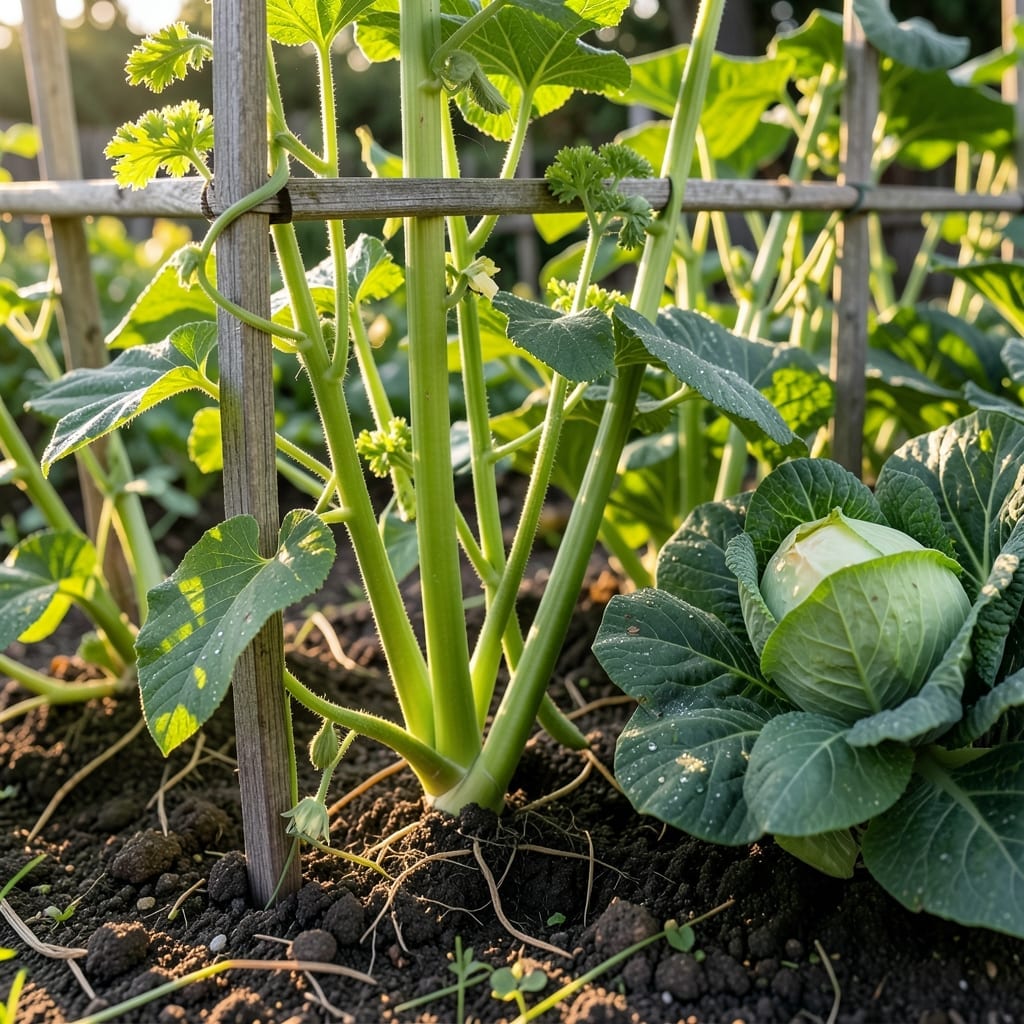
This trio creates a self-sustaining ecosystem in your vegetable garden. Beans act as natural fertilizers, fixing nitrogen in the soil that celery and cabbage crave as heavy feeders.
The benefits don’t stop at soil health—these plants also protect each other. Beans deter cabbage moths, celery repels bean beetles, and cabbage helps mask the scent of all three from common pests.
Perfect for gardeners who want to improve soil fertility while naturally reducing pest problems in their vegetable patch. 🌱
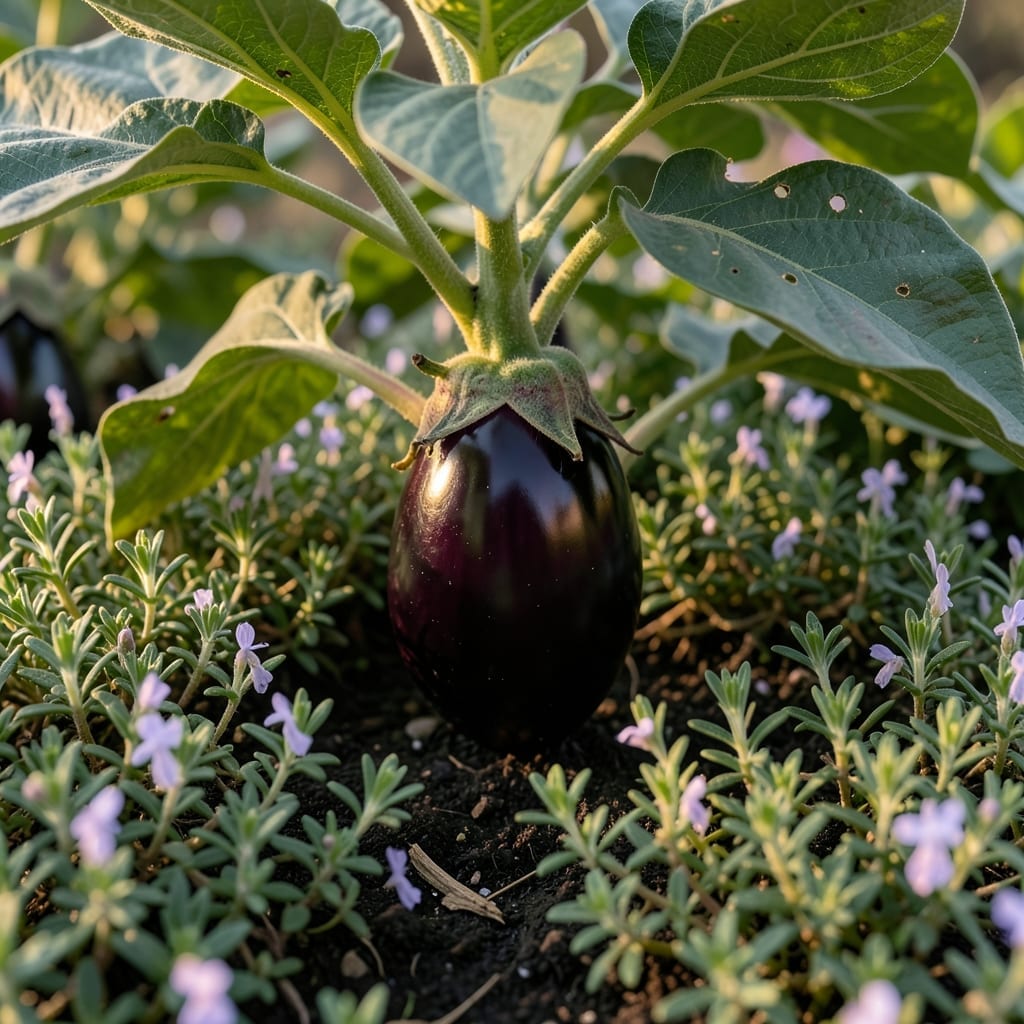
Flea beetles can devastate your eggplant crop, but planting thyme as a companion offers a natural solution. Its strong aromatic scent masks the eggplant, making it harder for pests to find.
The low-growing thyme also acts as a living mulch, shading the soil to reduce evaporation and keep roots cool. Both plants thrive in full sun and well-drained soil, making them ideal partners for Mediterranean-style gardens.
This pairing is perfect for organic gardeners looking to protect their eggplants while adding a fragrant, drought-tolerant ground cover. 🌿
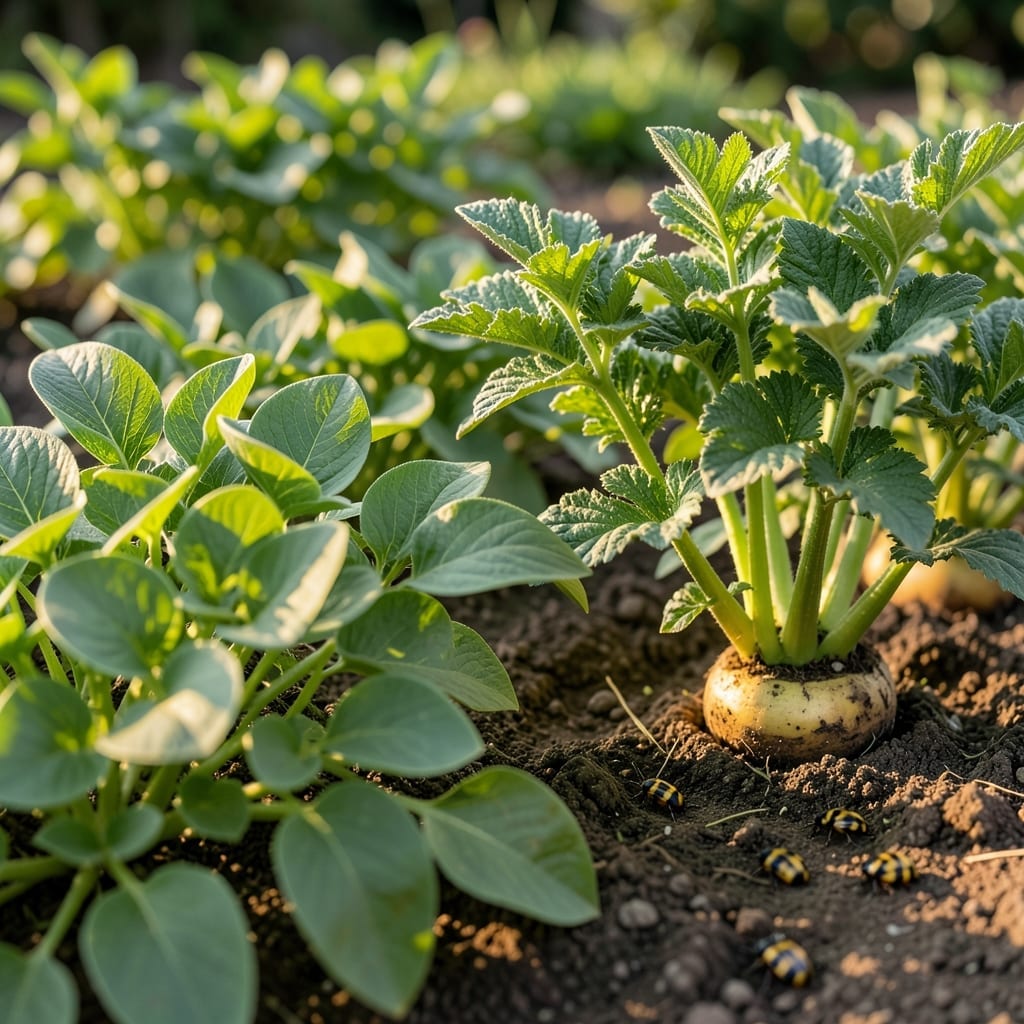
Struggling with Colorado potato beetles ruining your spud crop? Planting horseradish nearby creates a natural defense while boosting your harvest in surprising ways.
The horseradish’s strong scent deters beetles while subtly enhancing potato flavor. Meanwhile, potatoes’ tuber growth naturally loosens soil, making it easier for deep-rooted horseradish to establish and thrive. Both plants prefer similar growing conditions of full sun and well-drained soil.
This pairing is perfect for gardeners who want dual-purpose plants that improve both pest control and soil structure. 🌱