
Beautiful Plants For Your Interior
Beautiful Plants For Your Interior
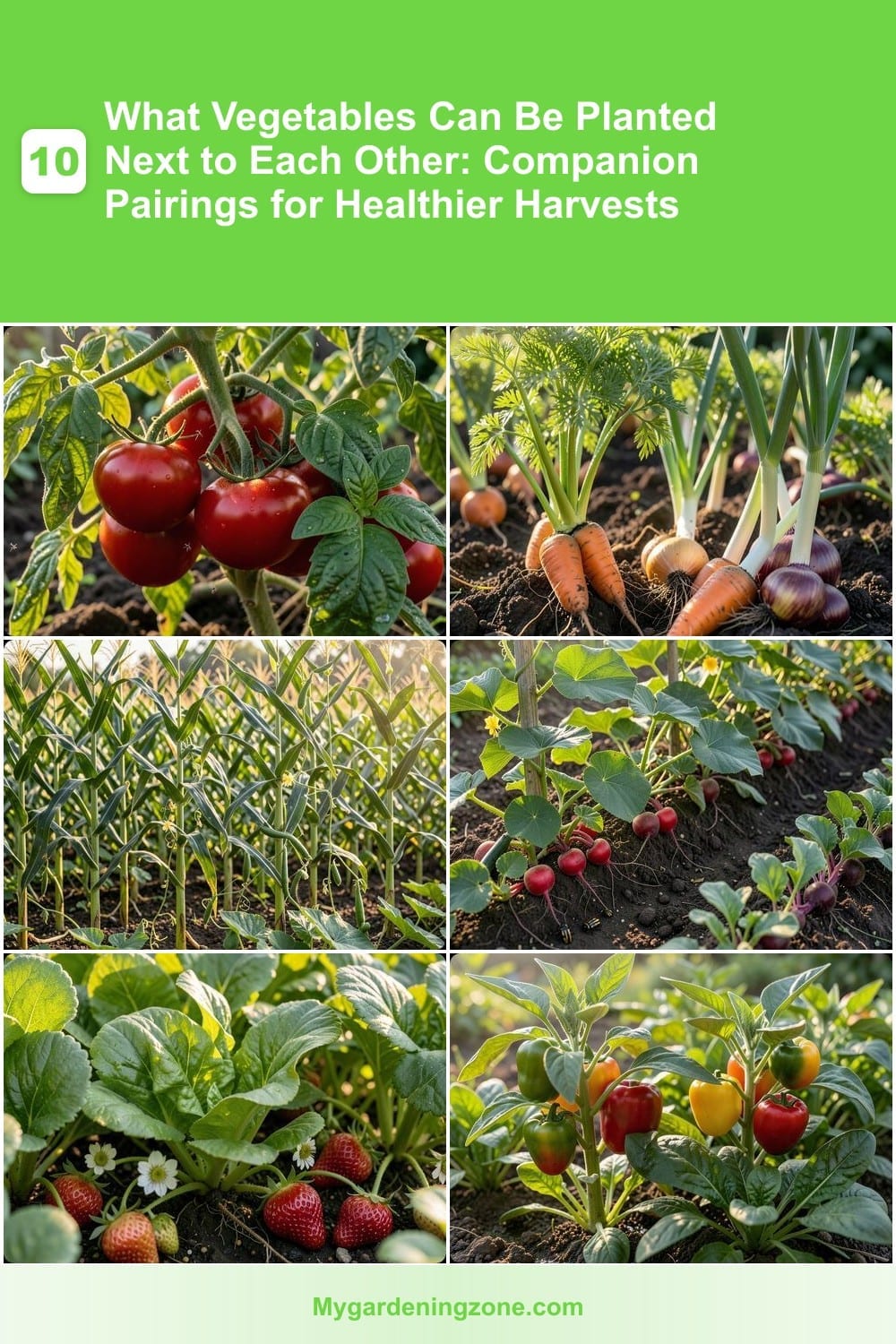
Maximize your garden’s potential with these expert-approved companion plantings. Discover which vegetables thrive together, deter pests naturally, and boost each other’s growth for a more productive and healthy harvest.
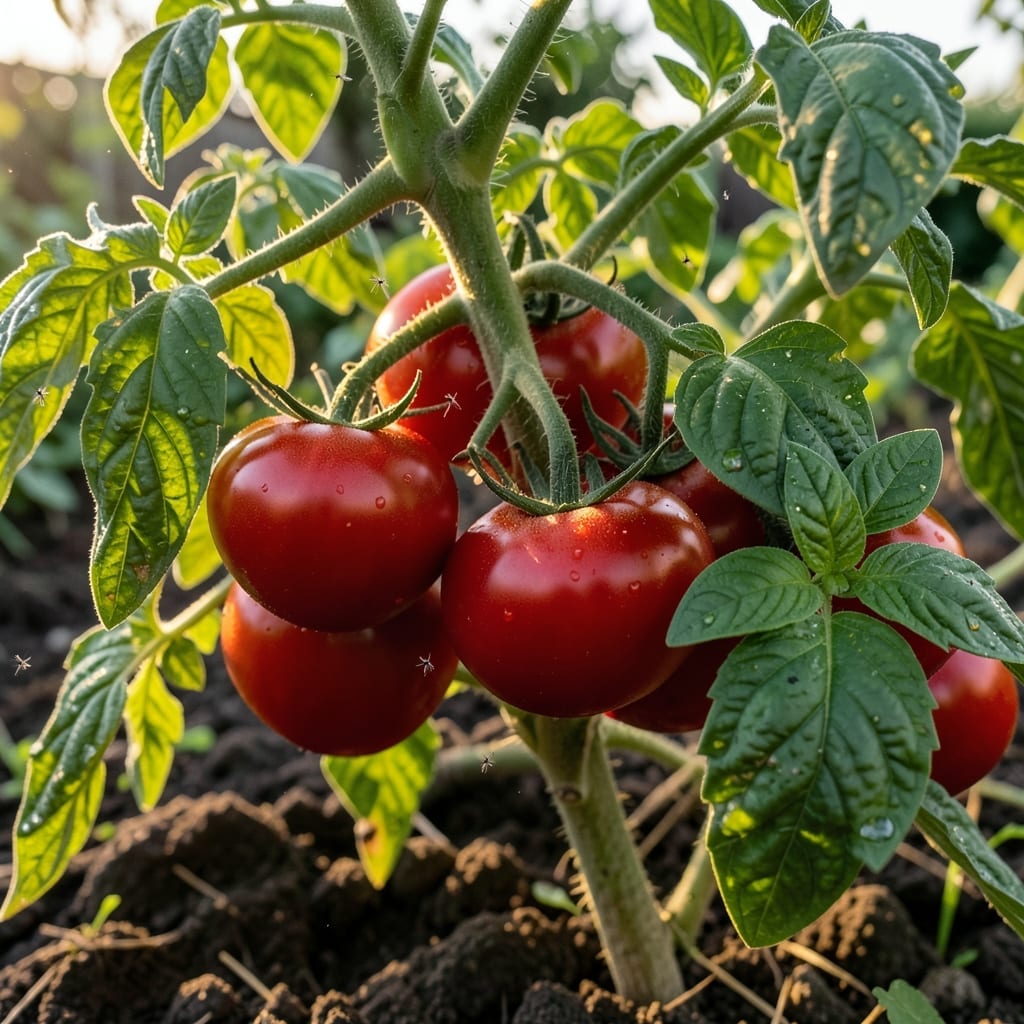
This classic garden duo does more than just taste great together—basil actually improves the flavor of your tomatoes while working overtime as a natural pest repellent.
Plant basil near tomato vines to deter whiteflies and mosquitoes with its strong scent, reducing the need for chemical interventions. The aromatic herbs also confuse pests that might otherwise target your tomato plants, creating a protective barrier.
Perfect for gardeners of all levels, this pairing thrives in full sun and well-drained soil, delivering a double benefit of better-tasting tomatoes and a healthier garden ecosystem. 🌿
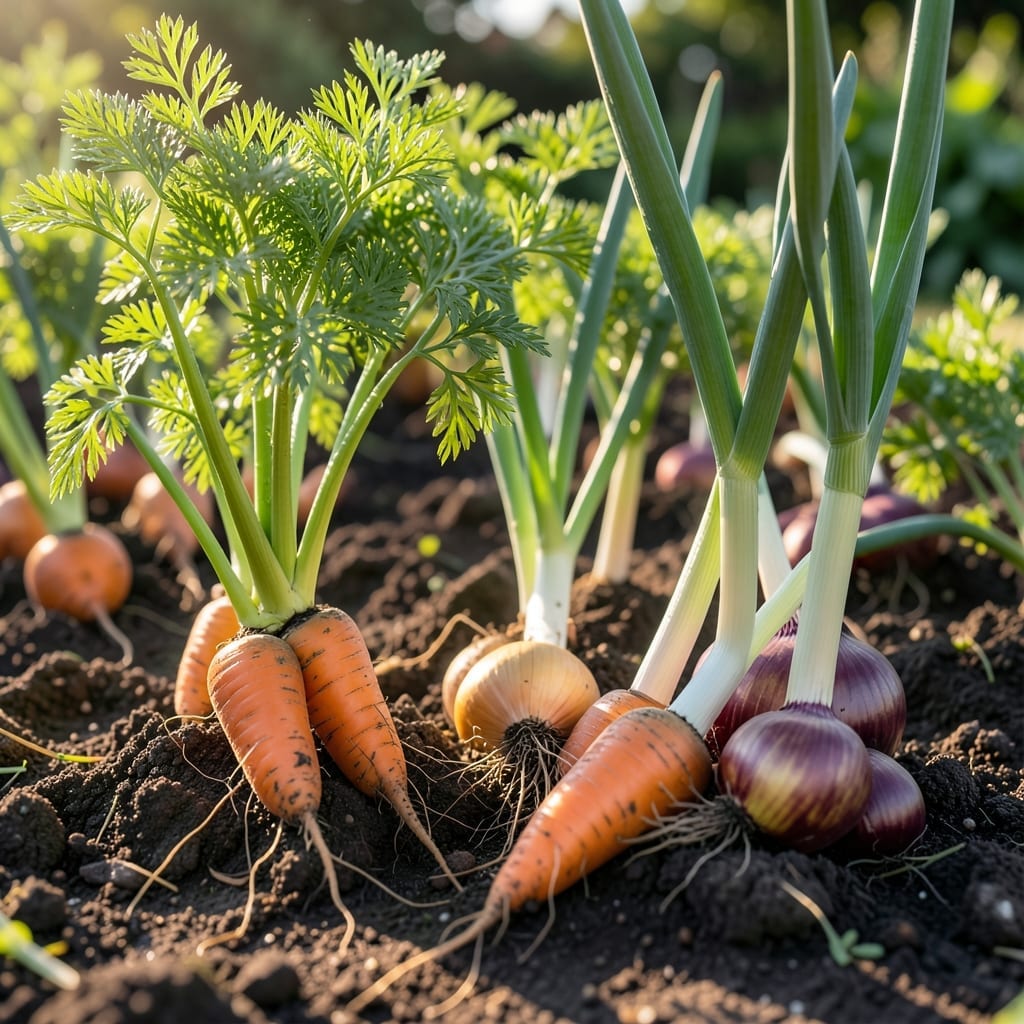
Struggling with carrot flies ruining your harvest? Plant onions and leeks alongside your carrots to naturally repel these pests with their pungent aroma.
This pairing works both ways: the alliums’ strong scent masks the carrots’ smell, confusing pests, while carrots’ deep roots break up compacted soil, improving growth for shallow-rooted onions and leeks. It’s a symbiotic relationship that benefits both crops.
Ideal for organic gardeners who want to avoid chemicals while maximizing space. This combo thrives in well-draining soil with full sun. 🌱

This classic Native American trio puts two heavy hitters together for mutual benefit. Pole beans climb corn stalks naturally, eliminating the need for trellises while saving garden space.
The real magic happens underground: beans fix atmospheric nitrogen in the soil through their root nodules, feeding the nitrogen-hungry corn. This symbiotic relationship means you’ll see healthier corn ears and more abundant bean harvests with minimal effort.
Perfect for gardeners wanting to maximize vertical space while improving soil fertility for future crops. 🌱
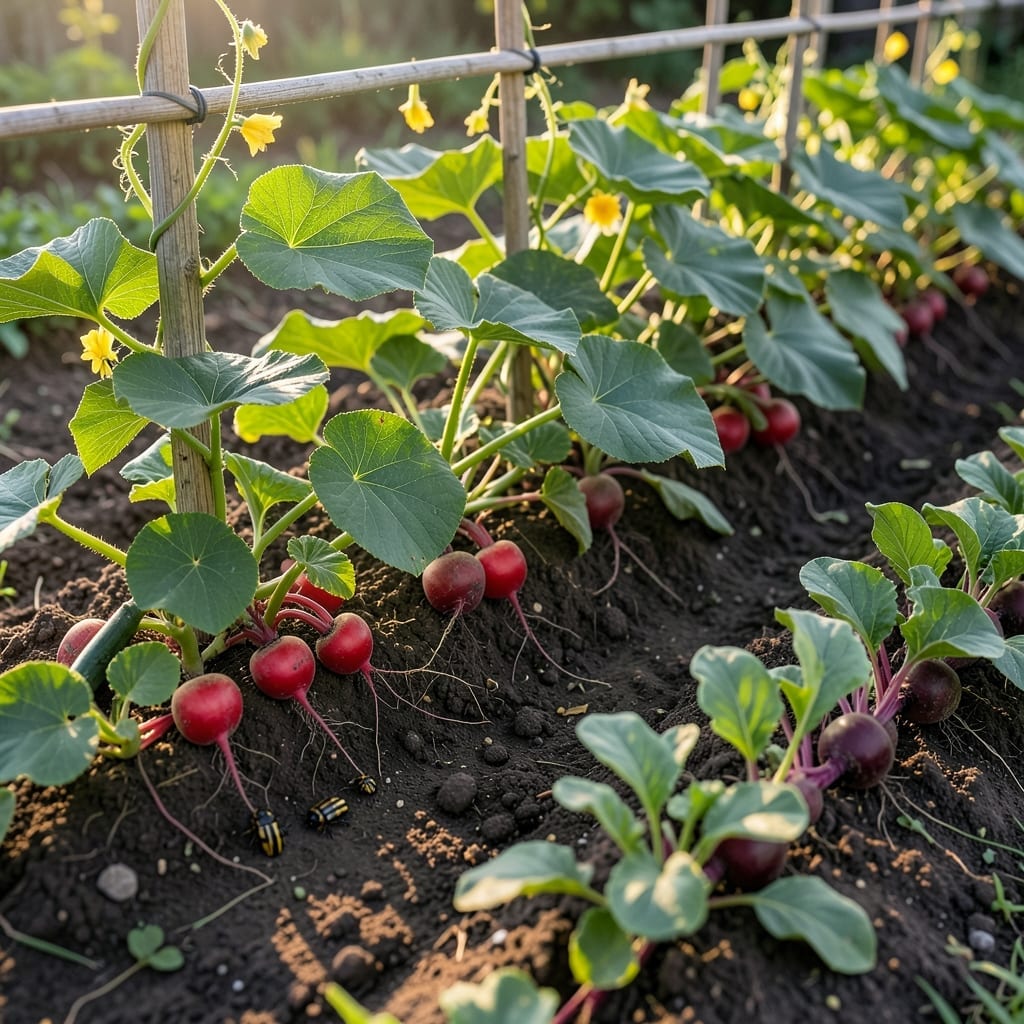
Tired of losing cucumbers to beetle damage? Radishes and beets are your secret weapon. These root crops act as natural decoys, luring cucumber beetles away from your vines while improving soil structure.
As radishes and beets grow, they naturally aerate the soil, creating looser, more breathable conditions that cucumber roots love. This trio works especially well for gardeners who want to skip chemical pesticides and still get a healthy harvest.
Plant radishes and beets around the base of your cucumber trellis for a low-maintenance, high-reward companion strategy. 🌱
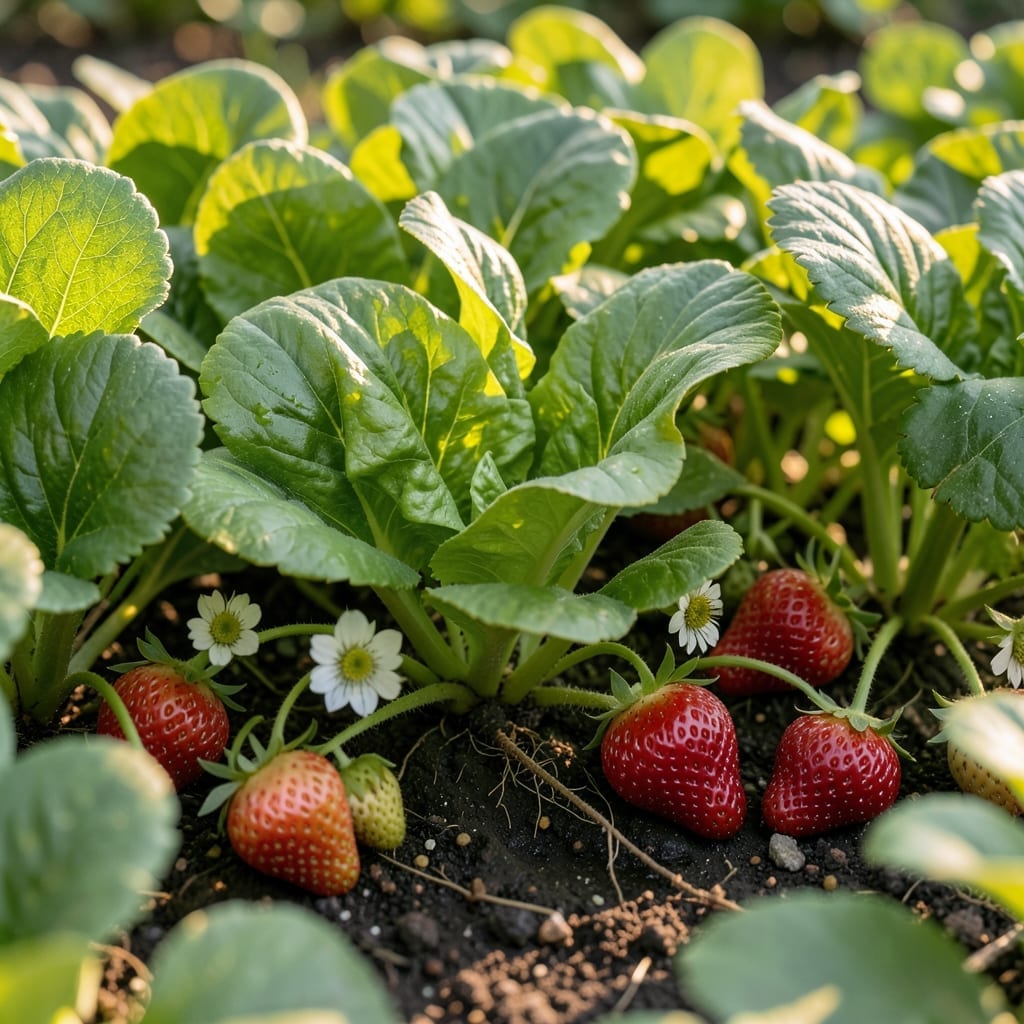
Struggling with dry soil in your berry patch? Lettuce and strawberries make an ideal moisture-retaining team. The broad lettuce leaves act as a living mulch, shading the soil and reducing evaporation around thirsty strawberry plants.
Since strawberries have shallow roots, they won’t compete with lettuce for nutrients or space. This symbiotic relationship creates a microclimate that keeps both plants happy, especially in hotter months when water conservation matters most.
Perfect for raised beds or small gardens, this pairing helps you maximize space while minimizing watering chores. 💚
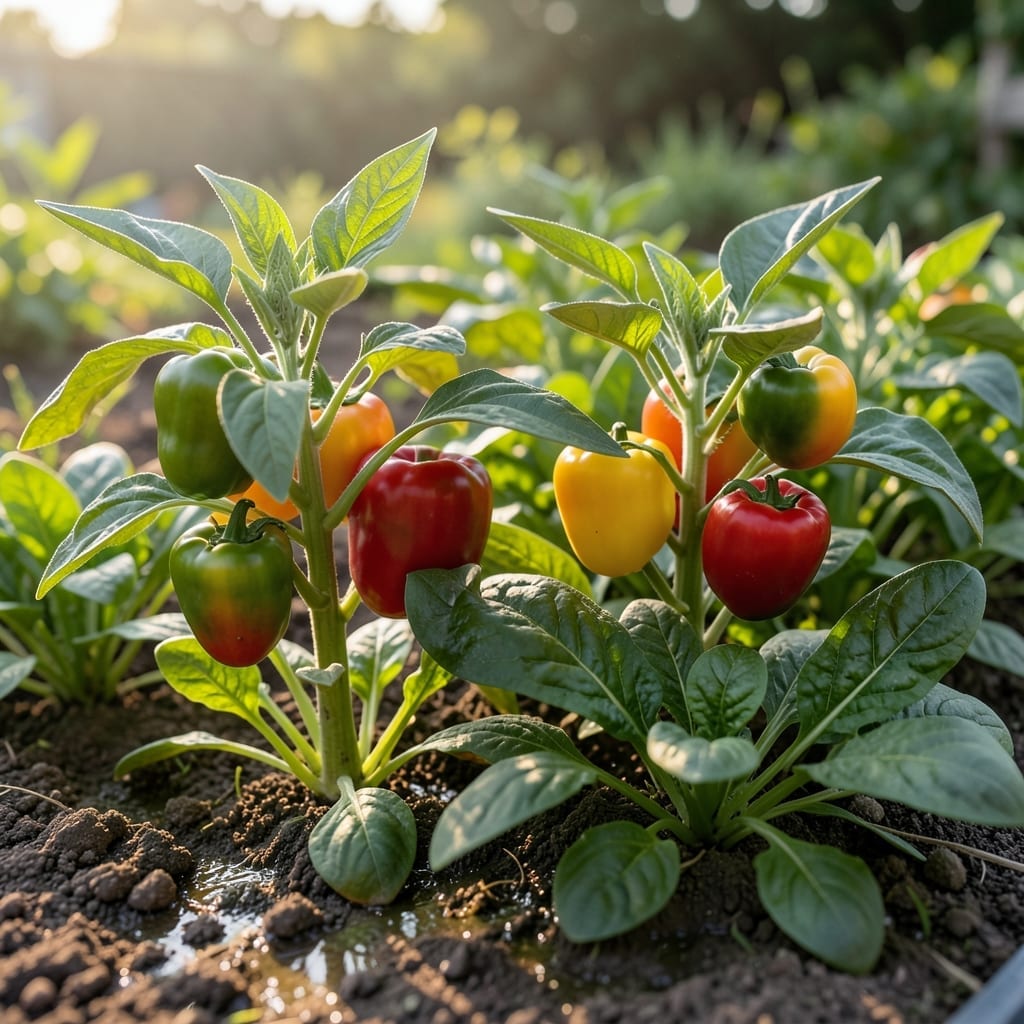
Hot summer days can stress your pepper plants, but pairing them with spinach creates a natural cooling system for both crops.
Spinach’s shallow roots stay out of the way of peppers’ deeper root systems, while its broad leaves shade the soil, reducing evaporation and keeping moisture levels stable. This is especially helpful for heat-sensitive peppers that wilt in intense sun or dry conditions.
Ideal for gardeners in warm climates or those with limited water access, this combo lets you grow two nutritious crops in the same space without competition. 🌿
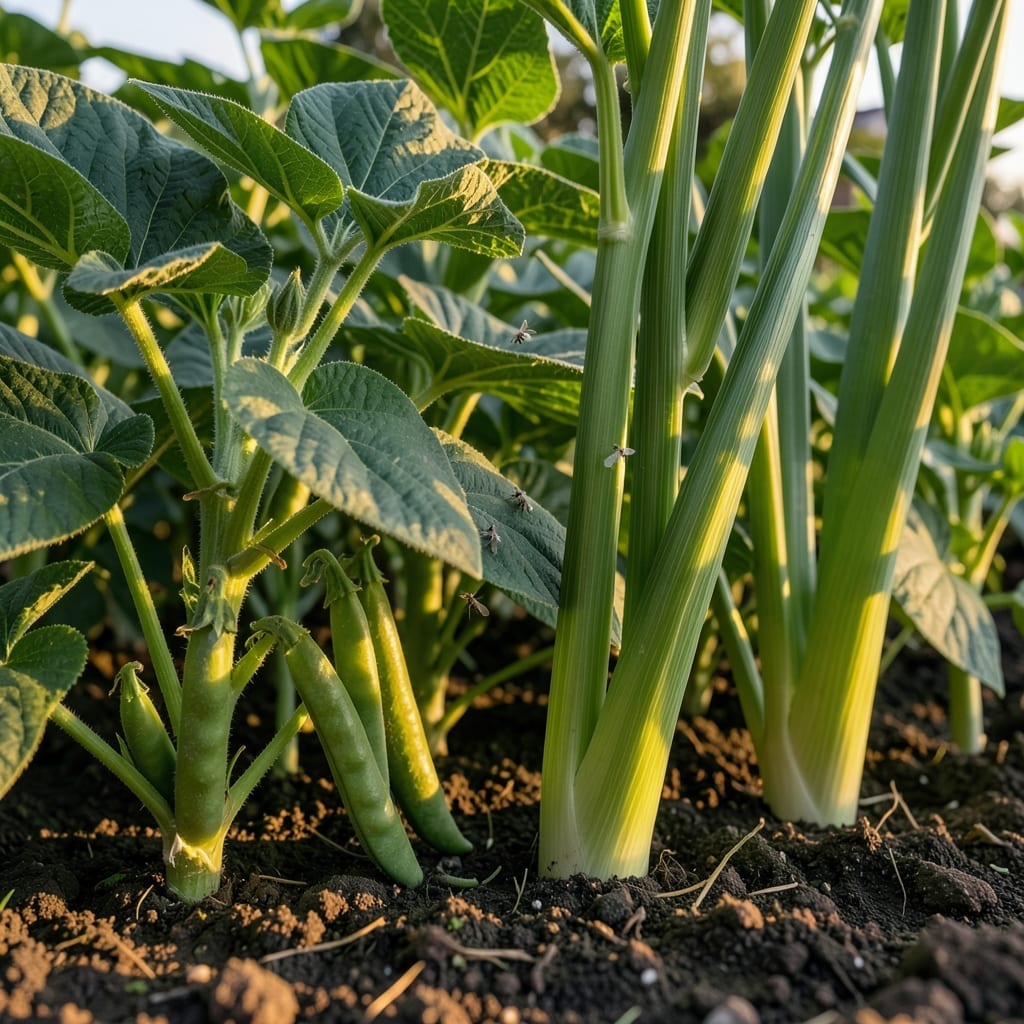
Whiteflies wreaking havoc on your bean plants? Celery comes to the rescue as a natural deterrent while enjoying the benefits of its neighbor’s nitrogen-fixing superpowers.
This dynamic duo creates a self-sustaining relationship: celery’s strong scent keeps whiteflies at bay, protecting your beans, while beans enrich the soil with nitrogen that celery craves. Both plants thrive in similar growing conditions, making this pairing effortless to implement.
Ideal for organic gardeners looking to reduce pests and improve soil health without extra work. 🌱
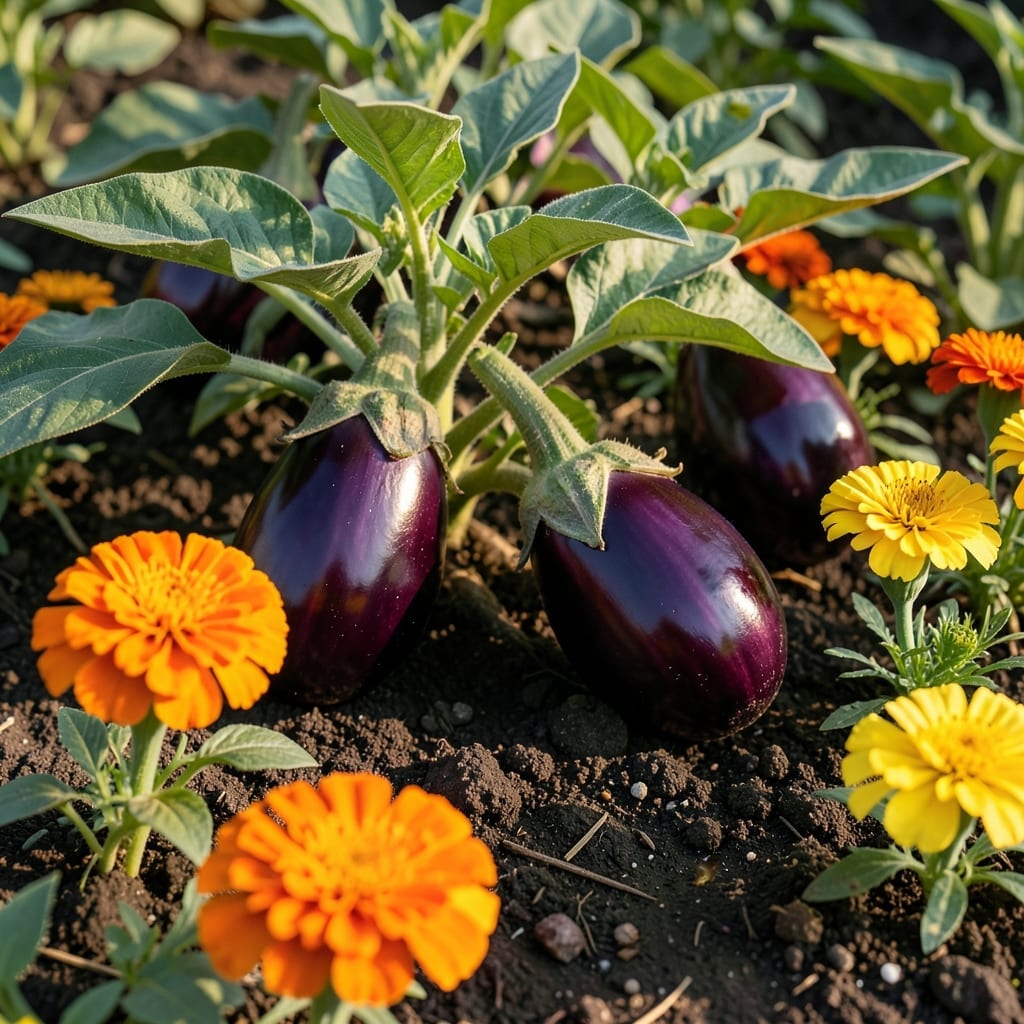
Want to protect your eggplants from nematodes and other common pests? Plant them alongside vibrant marigolds for a natural, chemical-free defense system.
Marigolds produce compounds that repel soil-dwelling pests like nematodes, which often target eggplant roots. Meanwhile, their bright flowers attract pollinators like bees, boosting biodiversity in your garden. This pairing works especially well in warm climates where both plants thrive.
Ideal for organic gardeners who want to reduce pest damage without harsh treatments. The colorful blooms also add beauty to your veggie patch. 🌻
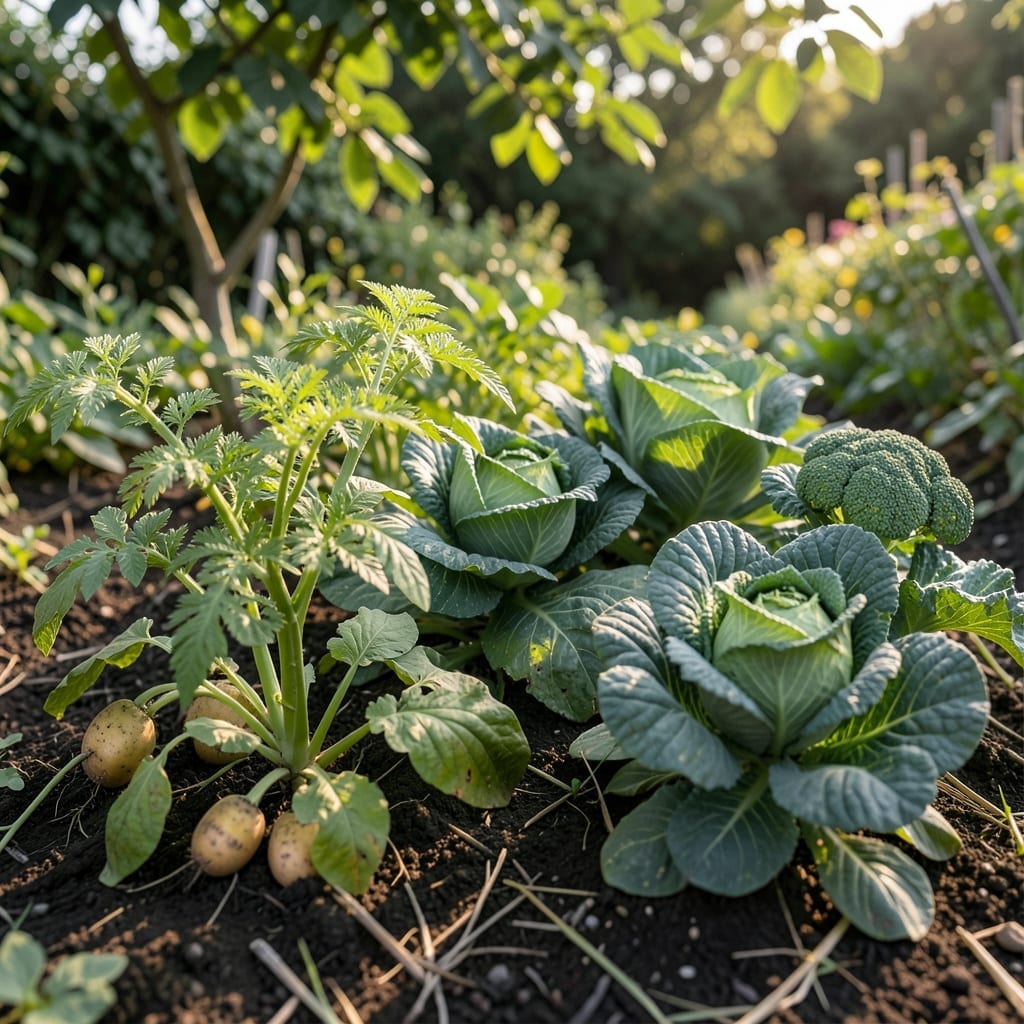
Tired of Colorado potato beetles decimating your potato plants? Interplant with cabbage, broccoli, or kale to naturally deter these destructive pests with their strong scent.
These brassicas emit compounds that confuse and repel beetles, while their different root depths mean they won’t compete with potatoes for nutrients. You’ll get a double harvest from the same space with minimal extra effort.
This pairing works especially well for organic gardeners looking to reduce pesticide use while maximizing garden productivity. 🌱
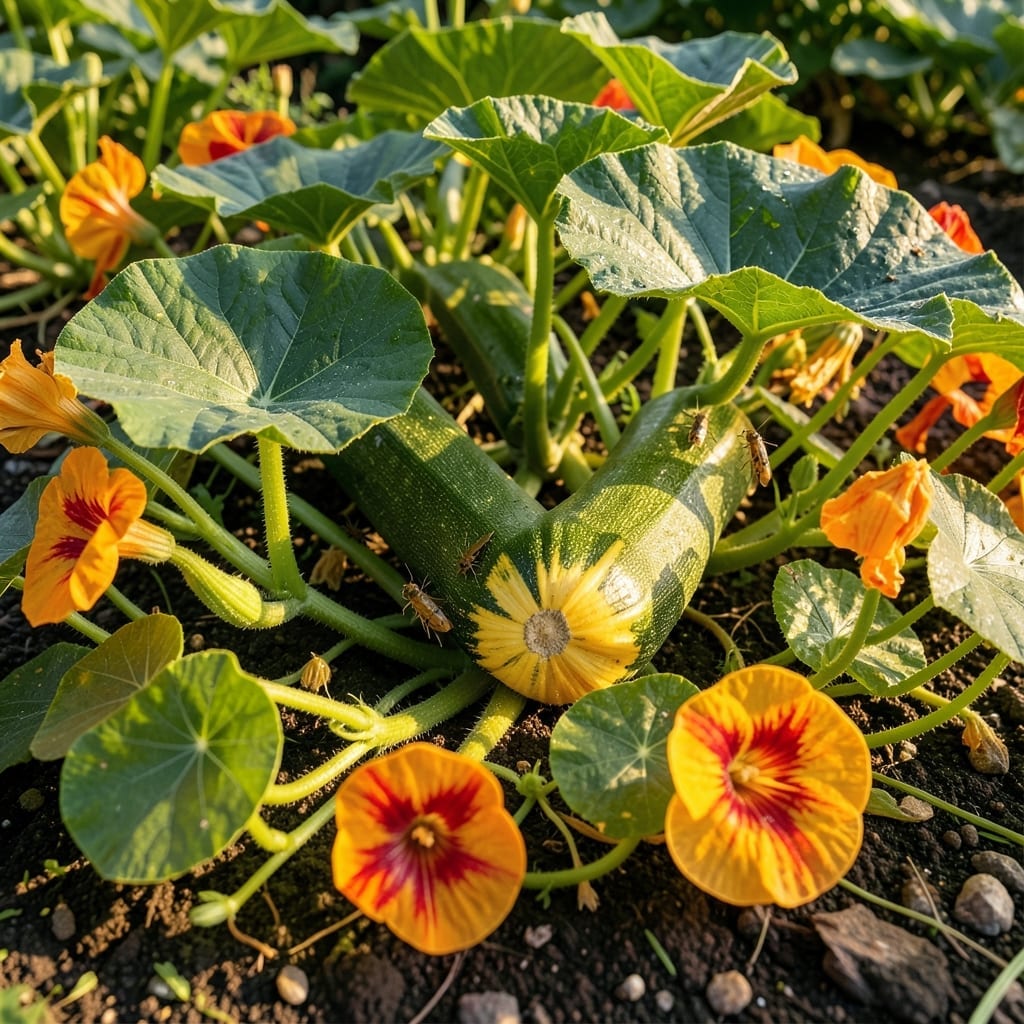
Squash bugs and aphids giving your zucchini trouble? Plant nasturtiums as a sacrificial buffer to lure these pests away from your prized zucchini plants.
These vibrant flowers act as a trap crop, drawing pests to their leaves instead of your squash. As an added bonus, nasturtiums produce beautiful, edible blooms that add color and flavor to salads. They thrive in the same growing conditions as zucchini, making this pairing effortless.
Organic gardeners love this low-maintenance strategy for natural pest control. 🌻