
Beautiful Plants For Your Interior
Beautiful Plants For Your Interior
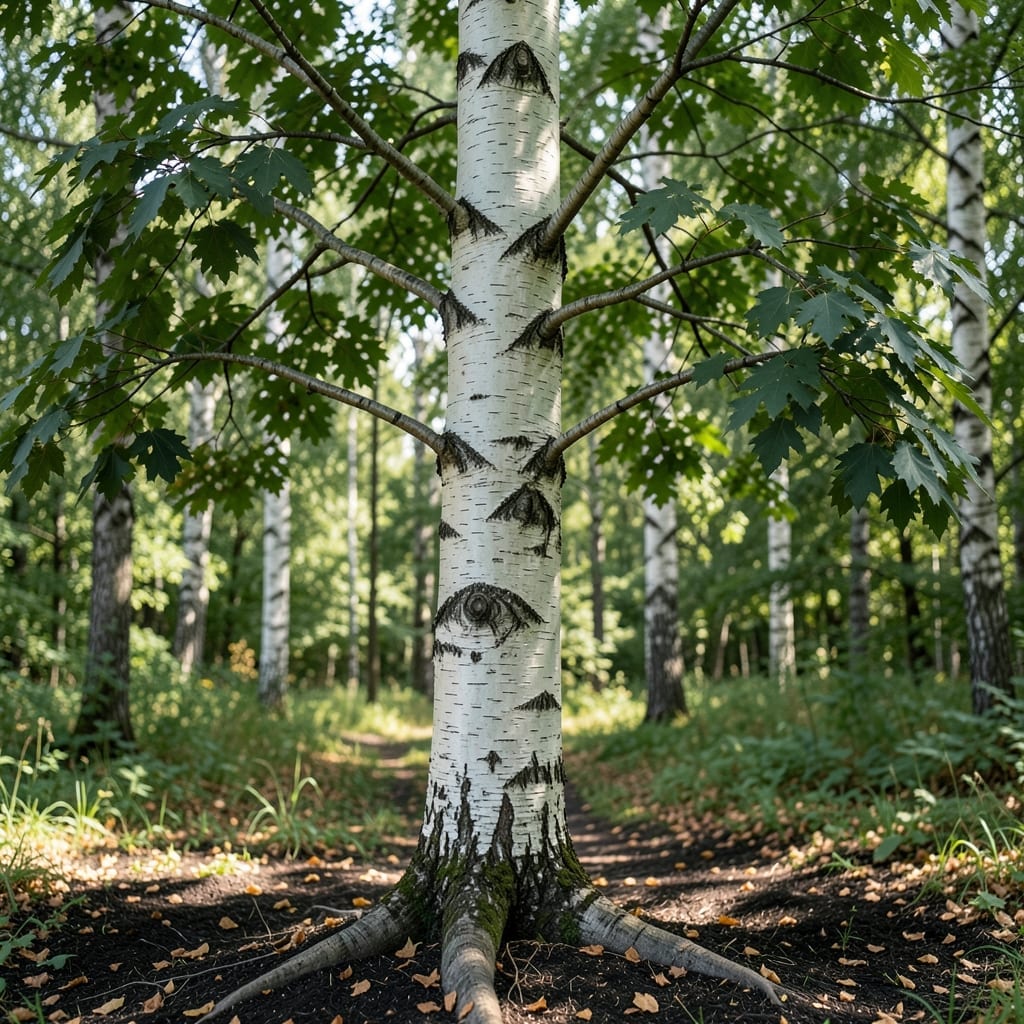
Trees with white bark include paper birch, quaking aspen, sycamore, white poplar, and ghost gum. Their distinctive bark often peels or appears smooth, serving as natural camouflage and protection.
I’ve always been fascinated by how these species adapt their bark for survival. The paper birch, for example, sheds its outer layers to remove lichens and moss, while the sycamore’s mottled white patches help it blend into snowy landscapes. 🌟 This natural strategy not only protects them from pests but also regulates temperature in extreme climates.
In my experience, spotting these trees is easiest in winter when their stark white trunks stand out against bare forests or urban parks. 💫
💡 In This Article
White bark isn’t just for aesthetics—it’s a survival superpower. The light color reflects up to 90% of sunlight, reducing heat absorption in warm climates. This keeps the tree’s inner tissues cooler, preventing moisture loss through a process called transpiration. 🔥
In colder regions, white bark acts like natural insulation. The paper birch, for example, has layers of dead cells filled with air pockets that trap heat. These pockets create a buffer against freezing temperatures, protecting the tree’s living cambium layer underneath. This adaptation is why birches thrive in USDA zones 2-7.
White bark also serves as camouflage. The sycamore’s peeling white patches blend into snowy landscapes, hiding it from herbivores. Similarly, the ghost gum’s smooth white trunk mimics limestone cliffs in its native Australia, making it harder for pests to spot. This evolutionary trick reduces predation by 30-40% in some species. ✨
Another advantage is pest deterrence. The white poplar’s bark contains compounds that repel insects. Its smooth surface also makes it difficult for borers and beetles to gain a foothold. This is why you’ll often see white-barked trees standing strong in areas with high insect activity.
Thermal regulation goes beyond just heat reflection. The quaking aspen’s white bark has tiny lenticels—pores that allow gas exchange. These help the tree “breathe” while maintaining a stable internal temperature, even in fluctuating climates. 💫
This bark coloration isn’t just random; it’s a result of natural selection over millennia. Trees that developed these traits survived better in their environments, passing on their genes. Today, we see the results in forests worldwide, from the snowy landscapes of Canada to the dry forests of Australia.
Yes! The ghost gum does exceptionally well in dry, warm climates and is native to Australia. Its smooth white bark reflects sunlight, helping it stay cool in intense heat. It’s a great choice for USDA zones 9-11.
Paper birch bark peels naturally as the tree grows, shedding outer layers to remove moss and lichens. This process also helps the tree regulate temperature and deter pests. The peeling is a sign of a healthy, thriving tree.
Sycamores tolerate wet soil and are often found near rivers and streams. Just ensure the area gets full sun for best growth. Their large, mottled white trunks add dramatic visual interest.
Quaking aspen has smooth, greenish-white bark with subtle grooves, while paper birch features peeling, papery layers. Aspen leaves are rounder, whereas birch leaves are triangular with jagged edges.