
Beautiful Plants For Your Interior
Beautiful Plants For Your Interior
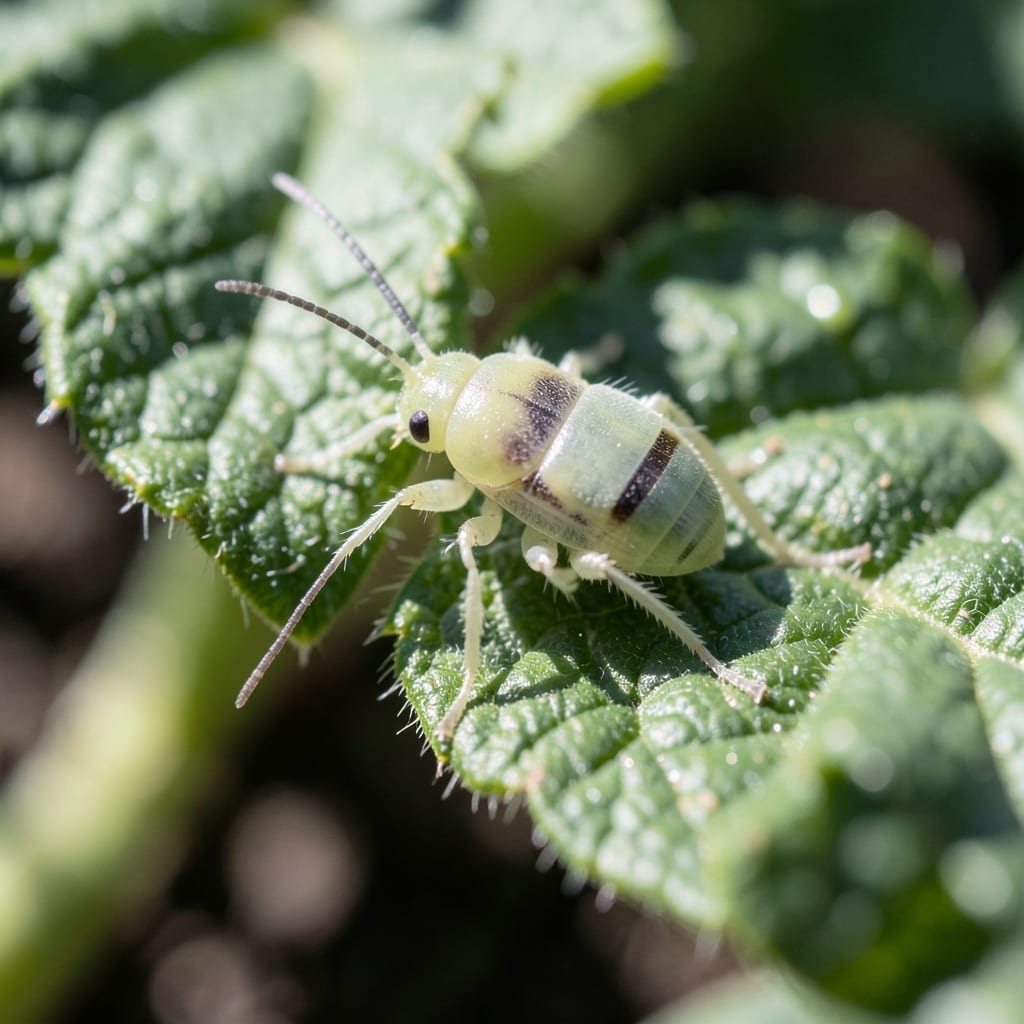
Tiny green invaders on your plants mean it’s time for action. I’ve battled aphids in every garden I’ve had, and the right approach makes all the difference between a quick fix and a season-long struggle.
The good news? You don’t need harsh chemicals to win. Simple household items like soap and water can be more effective than anything from a garden center, when used correctly.
What you’ll get are healthy plants that bounce back fast, without harming the bees and ladybugs that help your garden thrive. The solution often takes less than an hour to implement.
Works for roses, vegetables, and houseplants alike. Here’s what actually moves the needle against these pests.
Aphids thrive when conditions are just right for their rapid reproduction and feeding. Understanding the root causes can help you prevent infestations before they start.
Plants that are overcrowded or stressed (due to poor soil, drought, or overwatering) emit chemical signals that attract aphids. Weak plants lack the vigor to fend off pests, making them easy targets. Aphids also reproduce more quickly on soft, new growth, which stressed plants often produce in excess as they struggle to recover.
Aphids proliferate in mild temperatures (60–80°F) and low humidity. Warm springs and early summers create the perfect breeding ground, as aphids can reproduce asexually—meaning a single female can birth dozens of live nymphs without mating. Dry conditions also reduce the effectiveness of natural predators like ladybugs, giving aphids free rein.
Gardens with limited biodiversity often lack the beneficial insects (e.g., lady beetles, lacewings, or parasitic wasps) that keep aphid populations in check. Overuse of broad-spectrum pesticides can wipe out these predators, disrupting the ecosystem and allowing aphids to multiply unchecked.
Plants with excess nitrogen (from over-fertilization) produce lush, soft growth that aphids love. Meanwhile, deficiencies in potassium or phosphorus weaken plant cell walls, making them more susceptible to piercing-sucking pests like aphids. Balanced soil nutrition is key to growing resilient plants.
When aphids invade your garden, quick and targeted action can save your plants. Here’s how to tackle the problem based on the cause:
For small clusters, mix 1 tablespoon of dish soap with 1 quart of water and spray directly on aphids. The soap breaks down their protective coating, causing them to dehydrate. Prevention tip: 💡 Encourage ladybugs and lacewings—natural predators that keep aphid populations in check.
Neem oil disrupts aphids’ life cycle and repels them. Mix 2 tablespoons of neem oil with 1 gallon of water and a few drops of dish soap (to help it stick). Spray evenly on both sides of leaves, focusing on new growth where aphids gather. Prevention tip: ✨ Plant companion herbs like basil, mint, or garlic, which deter aphids with their strong scents.
If aphids keep returning, prune heavily infested leaves or stems and dispose of them in sealed bags (not compost). Isolate affected plants to prevent spreading. Prevention tip: 🎯 Inspect plants regularly, especially the undersides of leaves, to catch infestations early.
Aphids target stressed plants. Reduce watering if the soil is soggy, and fertilize with a balanced, organic option to strengthen plants. Prevention tip: 🌡️ Avoid over-fertilizing with nitrogen, as it promotes the soft growth aphids love.
Always test sprays on a small area first to avoid damaging plants. Consistency is key—repeat treatments every 5-7 days until aphids are gone!
Apply neem oil every 5-7 days until the infestation clears. Always spray in the evening to avoid harming bees and other beneficial insects.
Yes, a mix of 1 part white vinegar to 3 parts water can deter aphids. Spray directly on the pests, but avoid overuse as it may harm plants.
They return if beneficial insects are absent or plants remain stressed. Encourage ladybugs and maintain plant health to break the cycle.
Diluted dish soap (1 tablespoon per quart of water) is safe for most plants. Test on a small area first to avoid leaf damage.