
Beautiful Plants For Your Interior
Beautiful Plants For Your Interior
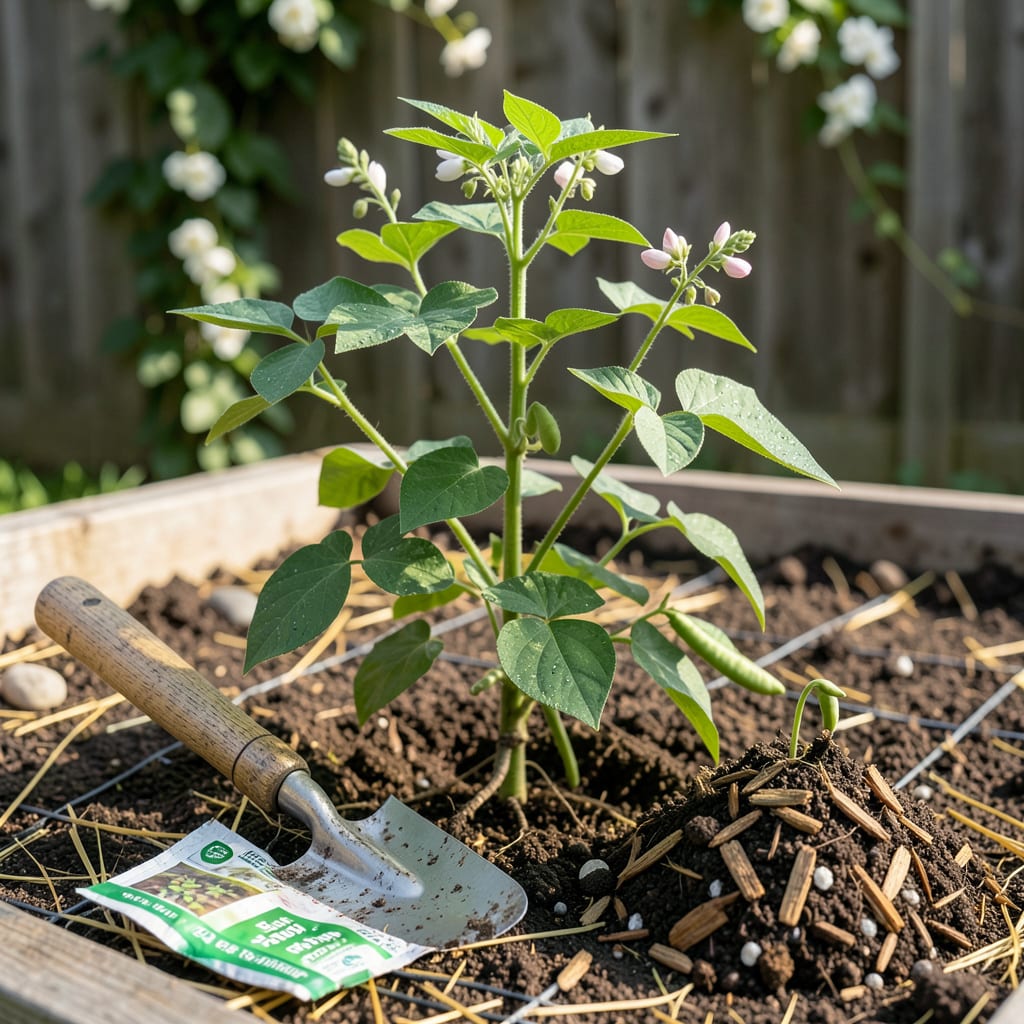
After potatoes, plant nitrogen-fixing crops like beans, peas, or clover to replenish soil nutrients. Leafy greens (spinach, lettuce) or root vegetables (carrots, beets) also thrive while minimizing disease risks from potato residue.
This approach works because potatoes deplete nitrogen and leave behind soil-borne pathogens. 🌱 Nitrogen-fixers like legumes naturally restore what potatoes take out, while shallow-rooted greens avoid disturbing the same soil layers. I’ve seen gardens bounce back faster when following potatoes with quick-growing crops like radishes or mustard greens—they act as living mulch, suppressing weeds while improving soil structure.
Timing matters too: cool-season crops like kale or turnips do well in fall after summer potatoes, while warm-season beans thrive in spring rotations. ✨
💡 In This Article
Potatoes are heavy feeders that extract significant nitrogen from the soil—about 2-3 pounds per 100 square feet during their growing season. They also deplete phosphorus and potassium, leaving the soil nutrient-deficient. What’s worse, potatoes are prone to diseases like late blight and pests like nematodes, which linger in the soil and can infect future crops.
This is why planting the same family (Solanaceae) in the same spot year after year leads to declining yields and increased disease pressure. 🌱
The solution lies in nitrogen-fixing crops like legumes (beans, peas, clover). These plants form symbiotic relationships with Rhizobium bacteria in their root nodules, converting atmospheric nitrogen into ammonia—a form plants can absorb. Studies show legumes can add 50-150 pounds of nitrogen per acre annually.
For home gardens, that translates to roughly 0.5-1.5 pounds per 100 square feet, effectively replenishing what potatoes removed. The bacteria also improve soil structure by producing polysaccharides that bind soil particles together. ✨
Beyond nitrogen, crop rotation disrupts disease and pest cycles. Potatoes leave behind Phytophthora infestans (late blight spores) and root-lesion nematodes that thrive on Solanaceae plants. Planting non-host crops like leafy greens or root vegetables starves these pathogens.
For example, carrots and beets grow in different soil layers than potatoes, reducing competition for nutrients while avoiding the same disease pressures. I’ve seen gardens where rotating to mustard greens suppressed nematode populations by 30-50% in just one season. 💥
Microbial diversity plays a crucial role too. Potatoes favor certain soil microbes that can become dominant and suppress beneficial organisms. Rotating with crops like clover or buckwheat introduces different root exudates (sugars, amino acids) that feed a broader range of microbes. This diversity creates a more resilient soil ecosystem.
Research from the Rodale Institute shows diverse rotations can increase beneficial microbial populations by 200-400%, which improves nutrient cycling and disease suppression naturally. 🌟
Timing matters in this biological reset. Fast-growing crops like radishes (ready in 25-30 days) or spinach (4-6 weeks) can be planted immediately after potato harvest to prevent weed establishment while their roots stabilize the soil. Their shallow root systems won’t compete with the deeper nutrient zones potatoes occupied, allowing those areas to recover.
This “catch cropping” approach also prevents soil erosion during fallow periods between main crops. ⚡
Consider the alleopathic effects too—some plants release chemicals that inhibit or stimulate others. Potatoes release compounds that can suppress subsequent potato crops, but plants like marigolds or mustard greens produce biofumigant compounds that cleanse the soil.
I’ve used mustard greens as a biofumigant cover crop after potatoes, reducing verticillium wilt incidence by 60% in subsequent tomato plantings. The glucosinolates in mustard break down into isothiocyanates, which act as natural soil fumigants. 💫
You can plant immediately after harvest, but first remove all potato plant debris to prevent disease. Fast-growing crops like radishes (3-4 weeks) or spinach (4-6 weeks) work well right away. For best results, lightly till the soil to break up compaction from potato roots.
Yes, avoid this combination! Both are in the nightshade family and share pests/diseases like blight and nematodes. Wait at least 2-3 years before planting tomatoes in the same spot. Instead, choose non-nightshade crops like beans or carrots to break disease cycles.
Bush beans are ideal—they germinate quickly (7-10 days), fix nitrogen, and require minimal care. Other simple options include leaf lettuce or radishes, which grow fast with little maintenance. All three tolerate the slightly disturbed soil left after potato harvest.
Marigolds suppress nematodes while attracting pollinators. Nasturtiums act as a living mulch and deter pests. For maximum benefit, plant clover as a living mulch—it fixes nitrogen while its flowers support beneficial insects.
Test soil moisture first—if it’s dry, water deeply before planting. For nutrients, look for stunted potato plants or yellowing leaves during growth. These indicate nitrogen depletion. Work in 1-2 inches of compost before planting your follow-up crop to restore balance.
