
Beautiful Plants For Your Interior
Beautiful Plants For Your Interior
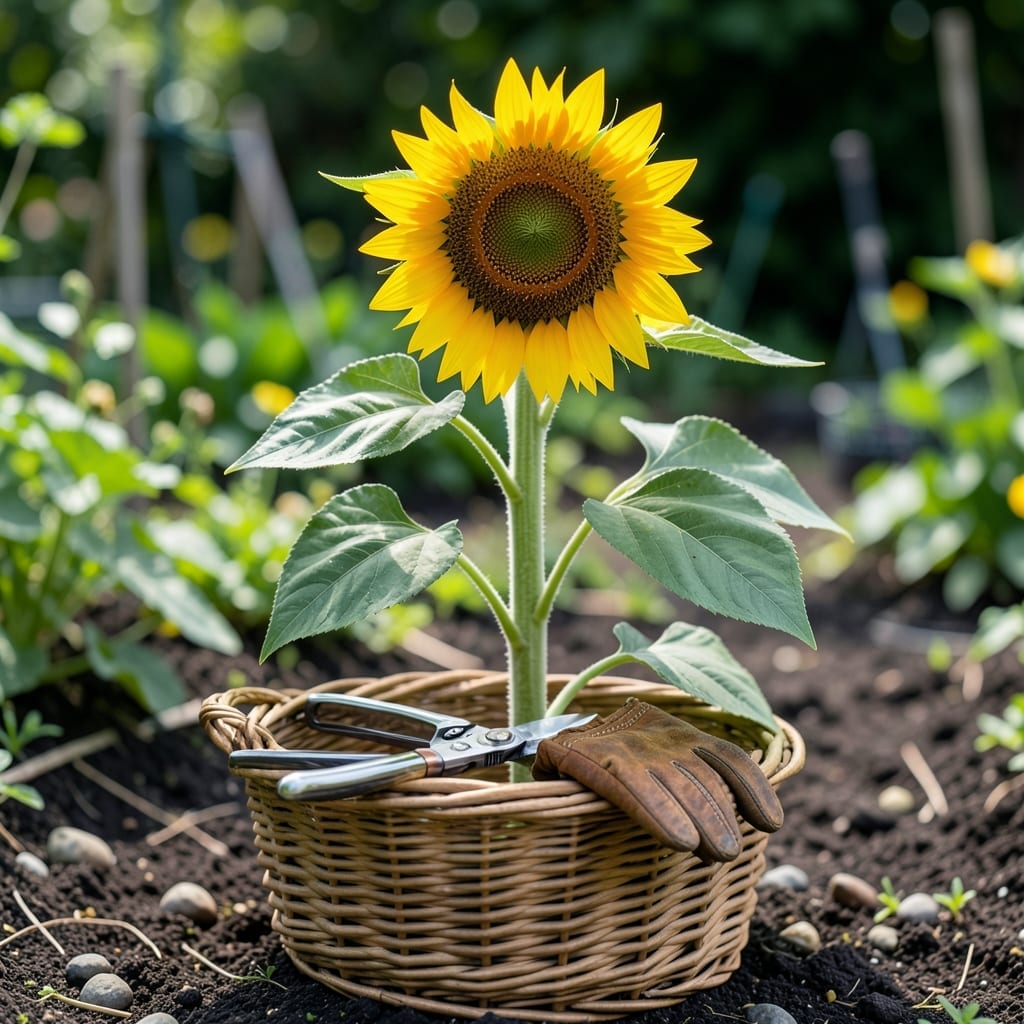
Don’t toss those towering sunflower stems after the blooms fade. I’ve turned last season’s stalks into next year’s garden gold more times than I can count.
Composting is the easiest win—chop them into 6-inch pieces and let them break down over winter. The hollow stems also make perfect supports for climbing beans or peas next spring.
For crafters, dried stalks become rustic trellises or even bird feeder frames. The pith inside stays workable for months if kept dry.
Just remove any remaining seed heads first to avoid unexpected volunteers. Every part of the plant still has purpose.
Sunflower stalks often become a post-harvest concern because of their natural growth cycle and structural characteristics. Understanding why they accumulate can help you repurpose them effectively.
Sunflowers are heavy feeders, pulling vast amounts of nutrients (especially nitrogen and potassium) from the soil to fuel their fast growth. Once the flower matures and seeds develop, the stalk’s primary role—nutrient transport—ends. This leaves behind a fibrous, nutrient-depleted stem that’s no longer useful to the plant but can still serve your garden or home.
The stalk’s thick, woody texture isn’t just for height—it’s an evolutionary adaptation to support the flower head, which can weigh several pounds. This rigidity comes from lignin, a complex polymer that makes the stalk tough and slow to decompose. While this trait helps the plant thrive, it also means stalks persist long after harvest, requiring intentional repurposing.
Like all annual plants, sunflowers undergo senescence—a genetically programmed process where the plant redirects energy from leaves and stems to seed production before dying. As the stalk dries out, it loses moisture and becomes brittle. This natural decline is unavoidable, but the remaining biomass is rich in carbon, making it ideal for compost, mulch, or even biofuel.
Sunflower stalks don’t have to go to waste! Here’s how to turn them into useful resources for your garden, home, or even crafts. Each solution is simple and practical.
If your stalks are healthy but spent, chop them into small pieces and add them to your compost pile. Their high carbon content balances nitrogen-rich greens. For quick mulch, lay chopped stalks around plants to retain moisture and suppress weeds. Prevention tip: Avoid composting diseased stalks to prevent spreading pathogens.
Dry sunflower stalks make excellent natural kindling. Bundle them and store in a dry place until fully dried (2–4 weeks). Use to start fires in wood stoves or fire pits. Prevention tip: Ensure stalks are completely dry to avoid excess smoke.
Get crafty! Use stalks for rustic wreaths, trellises, or even as supports for climbing plants next season. Hollowed stalks can become natural candle holders or bird feeders. Prevention tip: Seal dried stalks with a clear varnish to prolong their use indoors.
For farm owners, sunflower stalks can serve as fiber-rich feed for goats or rabbits (in moderation). Alternatively, use them as bedding material in coops or stables. Prevention tip: Always introduce new feed gradually to avoid digestive issues.
With a little creativity, those leftover stalks can find a second life—saving you money and reducing waste! 💡
Store them in a dry, well-ventilated area for 2-4 weeks. They’re ready when they snap easily and feel lightweight. Bundle similar-sized stalks for even drying.
No, avoid composting moldy or diseased stalks, as this can spread pathogens. Only healthy, pest-free stalks belong in your compost pile.
Yes, but seal them with clear varnish first to prevent pests and prolong durability. This works well for wreaths, candle holders, or decor.
Use pruners or a chipper to cut into 2-3 inch pieces. Smaller pieces decompose faster and create a neater mulch layer.