
Beautiful Plants For Your Interior
Beautiful Plants For Your Interior
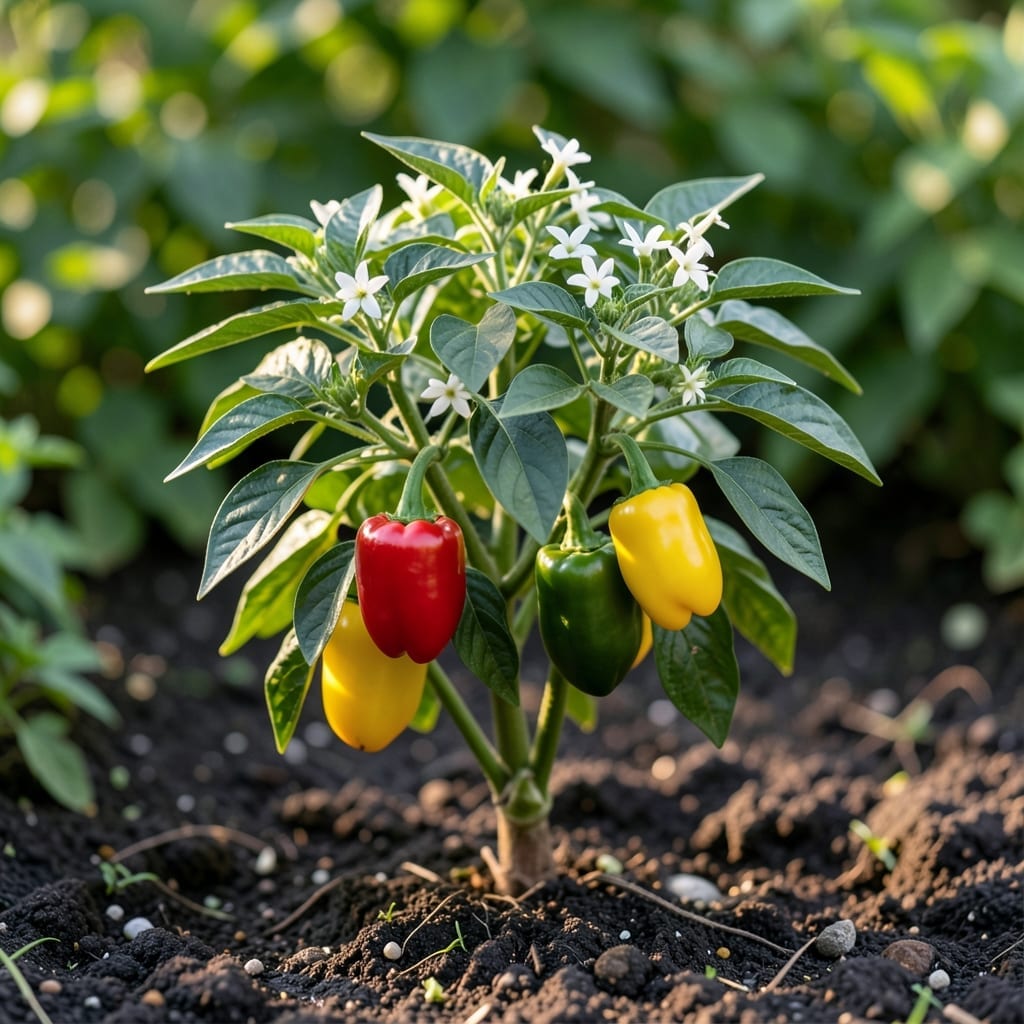
Pepper plants thrive in warmth, but unexpected cold snaps can spell disaster for your garden. Understanding their temperature limits is the key to protecting your crop.
I’ve seen too many gardeners lose their 🌶️ Pepper plants to a sudden chill. The right knowledge can save your harvest and even help you choose cold-hardy varieties.
From minimum survival thresholds to heat tolerance, I’ll break down what your peppers can handle. You’ll discover how to keep them thriving, no matter the weather.
Let’s dive into the specifics so you can grow with confidence. Your peppers—and your dinner table—will thank you.
Pepper plants are warm-season vegetables that thrive in consistent heat. They need soil temperatures above 60°F to germinate and grow properly, making them sensitive to cold conditions.
Most varieties do best when daytime temperatures range between 70°F and 85°F. Nighttime temperatures should ideally stay above 55°F to avoid stress or stunted growth.
| Condition | Temperature Range |
|---|---|
| Germination | 70°F–85°F soil |
| Optimal Growth | 70°F–85°F daytime |
| Minimum Survival | 32°F–55°F |
| Frost Damage | Below 32°F |
When temperatures drop below 55°F, pepper plants may show cold stress symptoms like yellowing leaves or slow growth. Prolonged exposure to 50°F or lower can halt growth entirely.
Bell peppers and jalapeños are particularly cold-sensitive. Even a light frost at 32°F can kill them, so it’s critical to protect them during unexpected cold snaps.
For container-grown peppers, I recommend moving them indoors when night temperatures drop below 50°F. This prevents root damage and keeps the plants productive.
Heat tolerance varies by variety, but most peppers can handle up to 90°F without issues. However, extreme heat above 95°F may cause blossom drop or sunscald on fruits.
I’ve found that mulching with organic material helps regulate soil temperature, keeping roots warm during cool nights and cool during hot days. This simple step can make a big difference.
If you’re growing peppers in cooler climates, consider using row covers or cold frames to extend the growing season. These tools can protect plants from early frosts and cold winds. ☀️
Remember, seedlings are the most vulnerable to temperature swings. Keep them in a stable environment until they’re well-established and the risk of frost has passed.
By understanding these temperature thresholds, you can plan your planting and protection strategies to ensure a bountiful pepper harvest every season. 🌱
Not all peppers wilt at the first cold snap. I’ve found that certain cold-hardy varieties can handle temperatures down to 32°F without major damage. These tough plants keep producing even when others give up.
If you’re gardening in a cooler climate, choosing the right cultivar makes all the difference. Some peppers even thrive in short growing seasons with chilly nights.
I always recommend King of the North for gardeners in Zone 5-6. It’s specifically bred to handle cold snaps and still produce a decent harvest.
The Hungarian Wax is another favorite. It’s not just cold-tolerant but also disease-resistant, making it a low-maintenance choice for cooler areas.
For container gardeners, Early Jalapeño is a winner. You can move pots indoors when temperatures drop below 35°F to extend the season.
Remember, even cold-hardy peppers need protection from frost. Use row covers or mulch to give them an extra 5-10°F of warmth on chilly nights.
🌱