
Beautiful Plants For Your Interior
Beautiful Plants For Your Interior
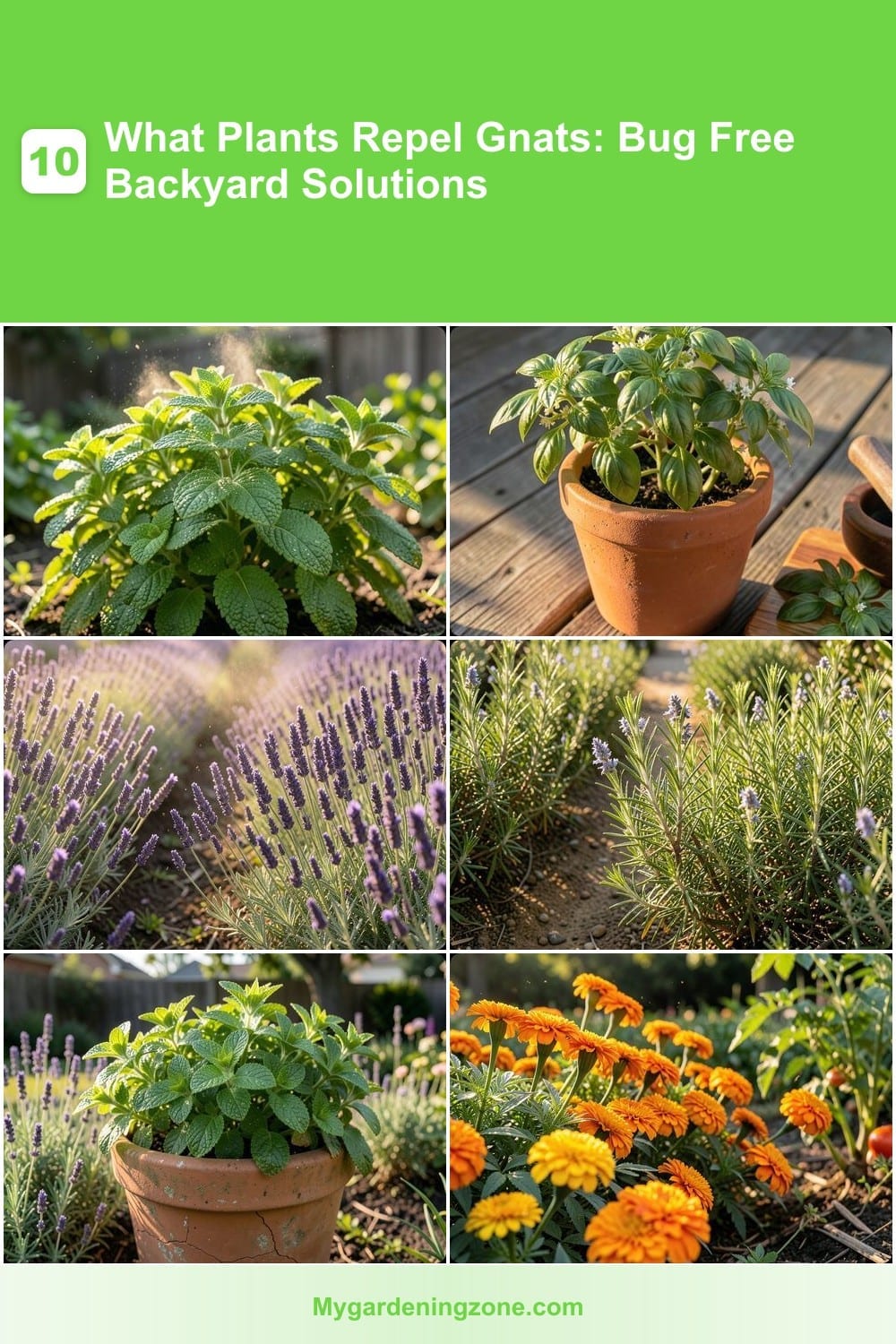
Tired of gnats ruining your outdoor space? These ten natural plants act as powerful gnat repellents while adding beauty and fragrance to your garden, balcony, or patio. Discover chemical-free solutions that work.
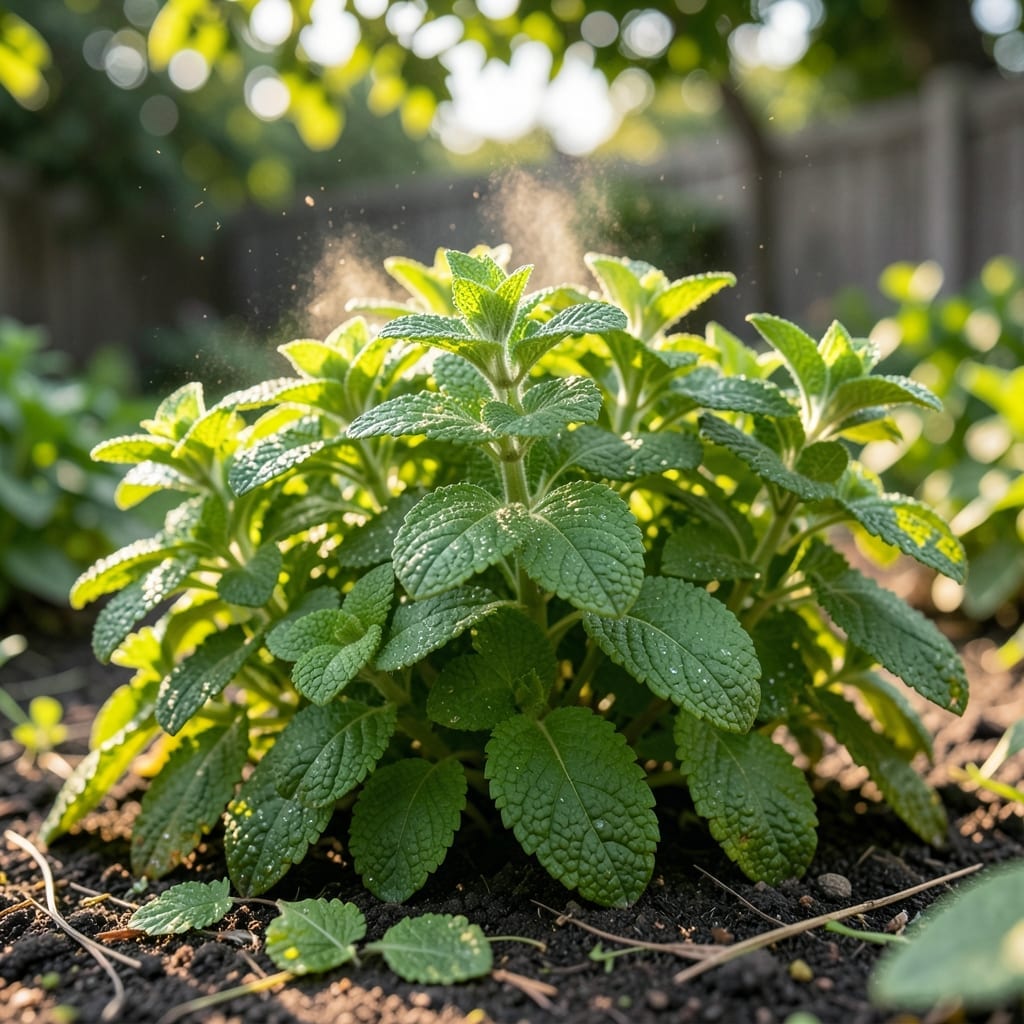
Say goodbye to pesky gnats with lemon balm, a citrusy powerhouse that does double duty in your garden. This member of the mint family emits a strong aroma that disorients gnats, keeping them far from your plants and outdoor spaces.
Easy to grow in partial shade to full sun, lemon balm thrives in most soil types and spreads readily, making it a low-maintenance choice. Its tiny white flowers also attract pollinators like bees, boosting your garden’s ecosystem while repelling pests.
Perfect for beginners or those seeking a natural solution, this plant offers a simple yet effective way to enjoy a gnat-free yard. 🌿
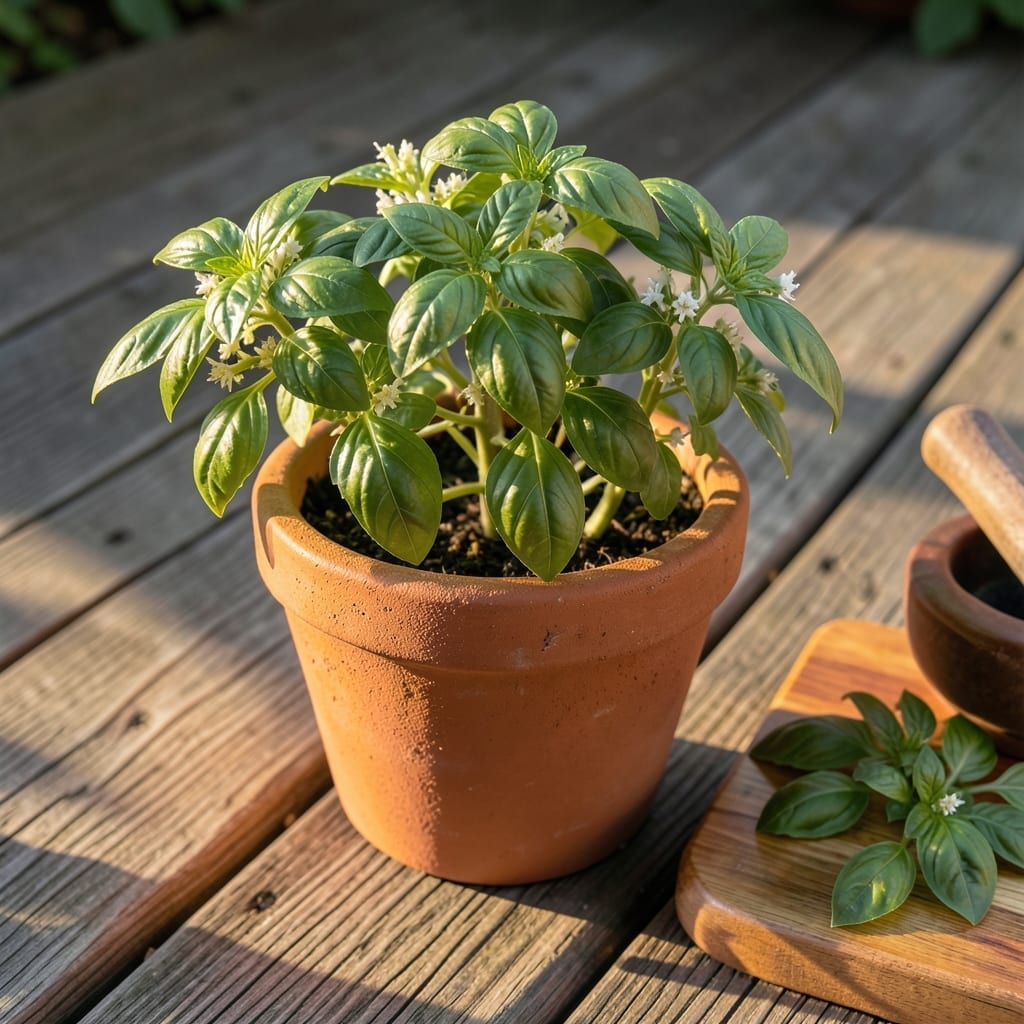
Fight gnats naturally with basil, the aromatic herb that pulls double duty in your garden and kitchen. Its strong scent effectively deters gnats while adding fresh flavor to your meals.
This sun-loving plant thrives in containers or garden beds, requiring just 6-8 hours of sunlight daily. Regular pinching of flowers encourages bushier growth and intensifies its gnat-repelling fragrance.
Ideal for urban gardeners or anyone wanting a low-maintenance, multi-purpose solution, basil keeps pests away while enhancing your outdoor space. 🌱
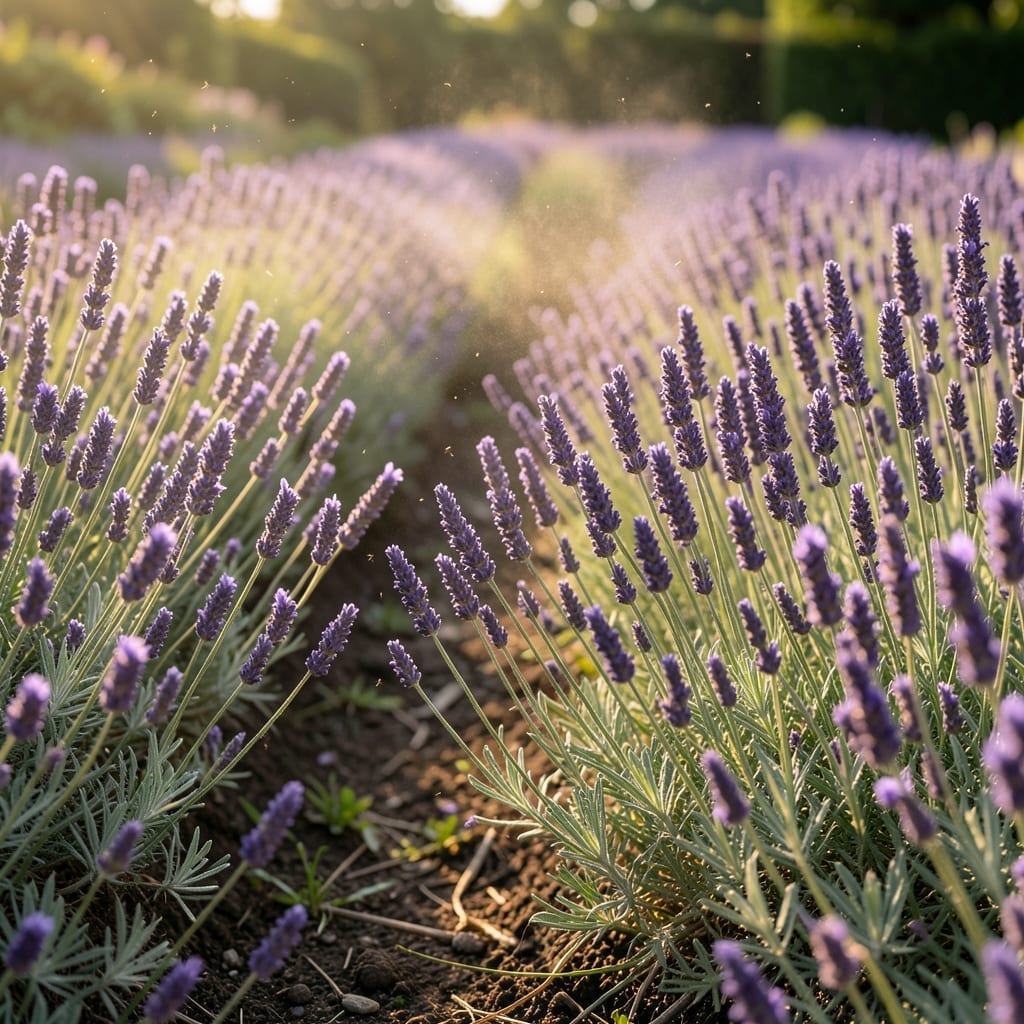
Transform your garden borders with lavender, a fragrant powerhouse that keeps gnats at bay while adding stunning visual appeal. Its purple blooms release a calming scent that humans adore but gnats can’t stand, making it a natural pest deterrent.
This drought-tolerant perennial thrives in full sun and well-drained soil, requiring minimal care once established. It’s perfect for creating aromatic borders or drying the flowers for indoor arrangements that continue repelling pests.
Ideal for gardeners who want both beauty and function, lavender offers a low-maintenance way to enjoy your outdoor space without pesky gnats. 🌿
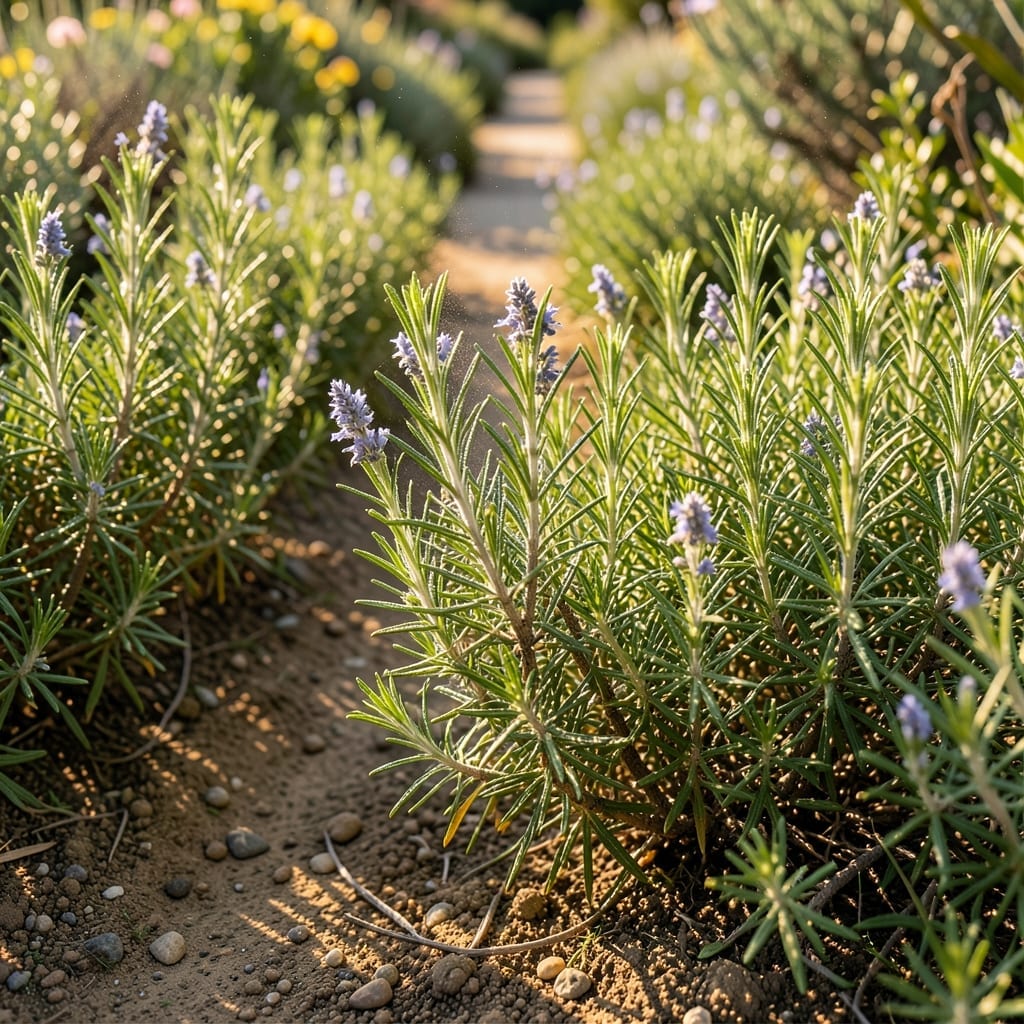
Turn your walkways into gnat-free zones with rosemary, a fragrant perennial that works hardest when you do. Every brush against its needle-like leaves releases natural oils that send gnats packing.
This drought-tolerant shrub thrives in full sun and well-drained soil, reaching 3-5 feet tall. Plant it along pathways, near doorways, or in herb gardens where foot traffic will maximize its pest-repelling potential.
Perfect for Mediterranean-style gardens or anyone wanting a low-maintenance solution, rosemary offers year-round protection with minimal care. 🌿
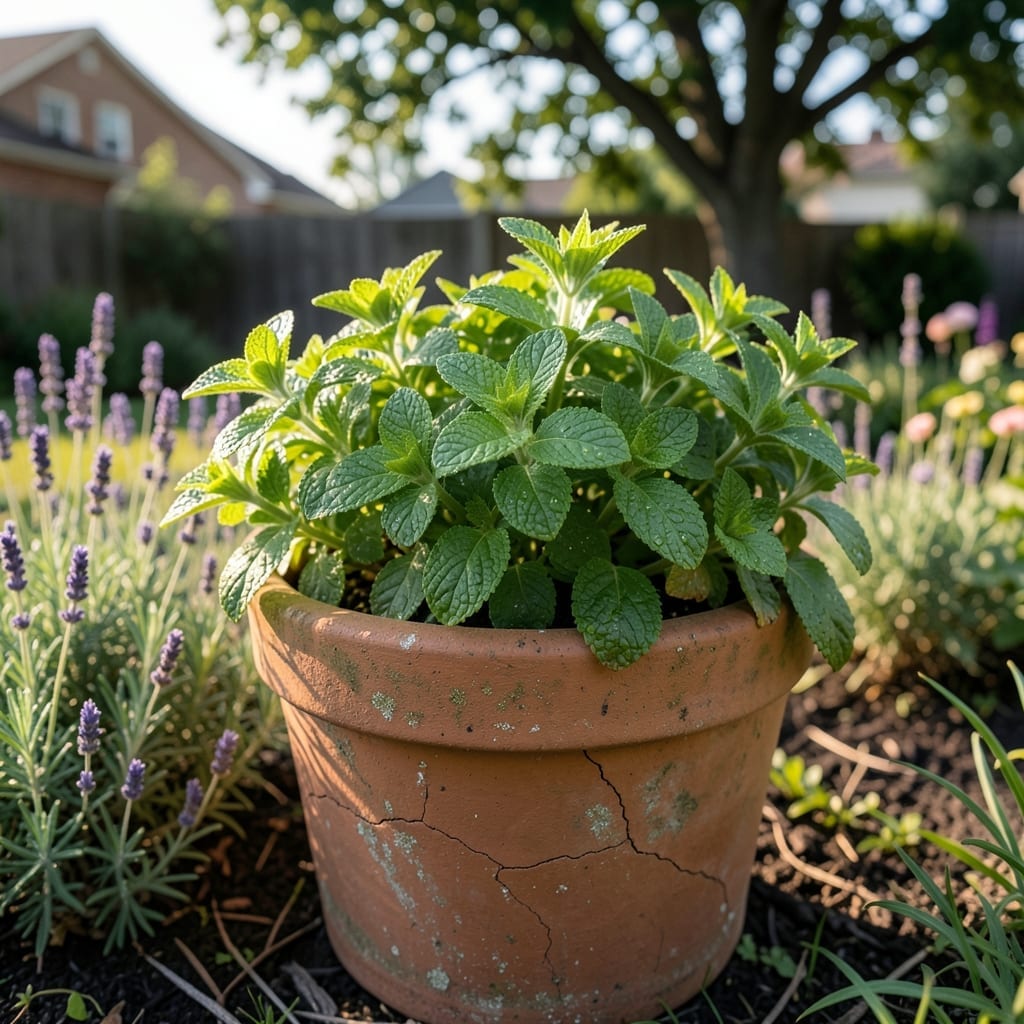
Need a natural gnat barrier? Mint plants create an invisible shield with their powerful scent, which masks the attractants that draw gnats to your space.
This fast-growing ground cover spreads aggressively, so it’s best kept in containers to prevent it from taking over your garden. The more you brush against it, the more fragrance it releases, enhancing its pest-repelling power.
Perfect for patio gardeners or anyone wanting a low-effort solution, mint keeps gnats away while adding fresh greenery to your outdoor area. 🌿
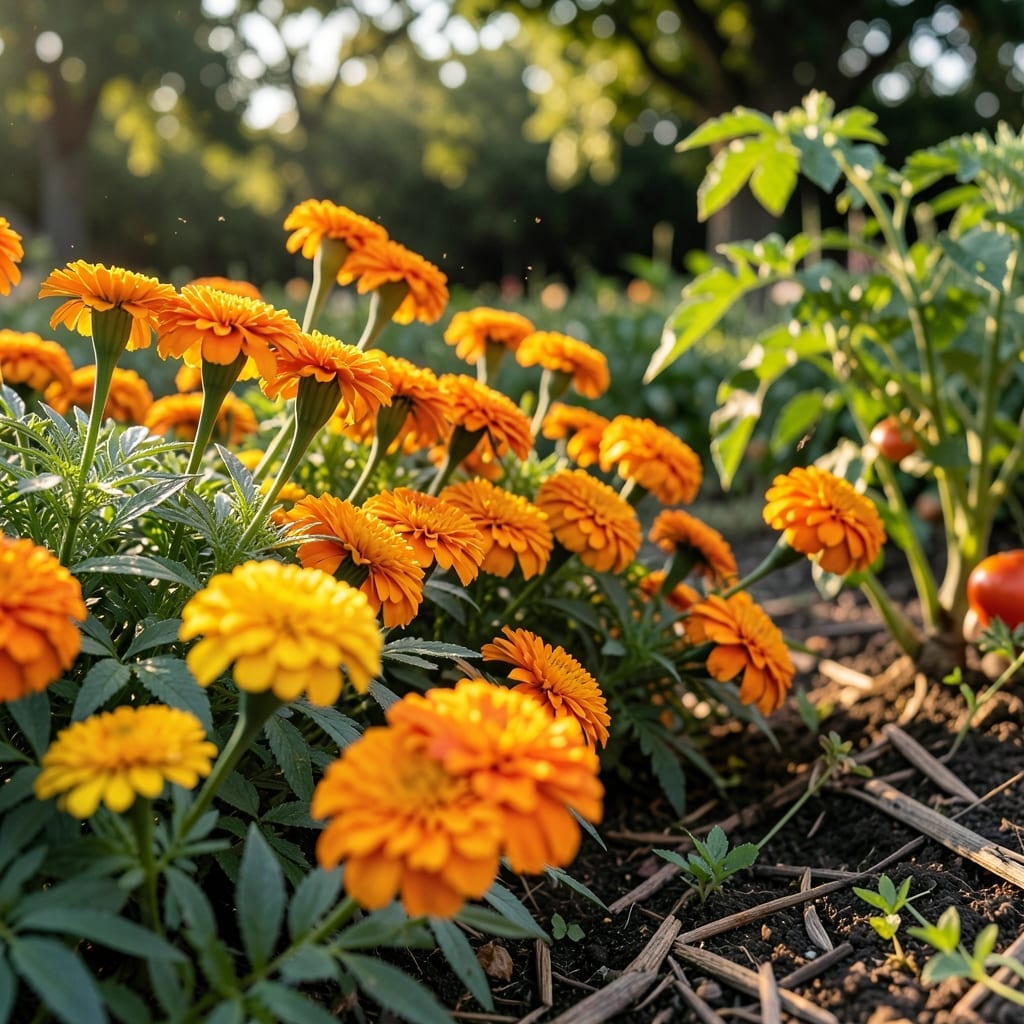
Brighten your garden while keeping gnats away with marigolds, the cheerful annuals that pack a pest-repelling punch. Their vibrant blooms release a pungent odor that gnats find unbearable, creating a natural barrier around your plants.
These easy-to-grow flowers thrive in full sun and well-drained soil, blooming continuously from spring until frost. They also deter mosquitoes, aphids, and other garden pests, making them a multi-functional addition to any outdoor space.
Perfect for vegetable gardens or container displays, marigolds offer a low-maintenance, colorful solution for gnat-free gardening. 🌻
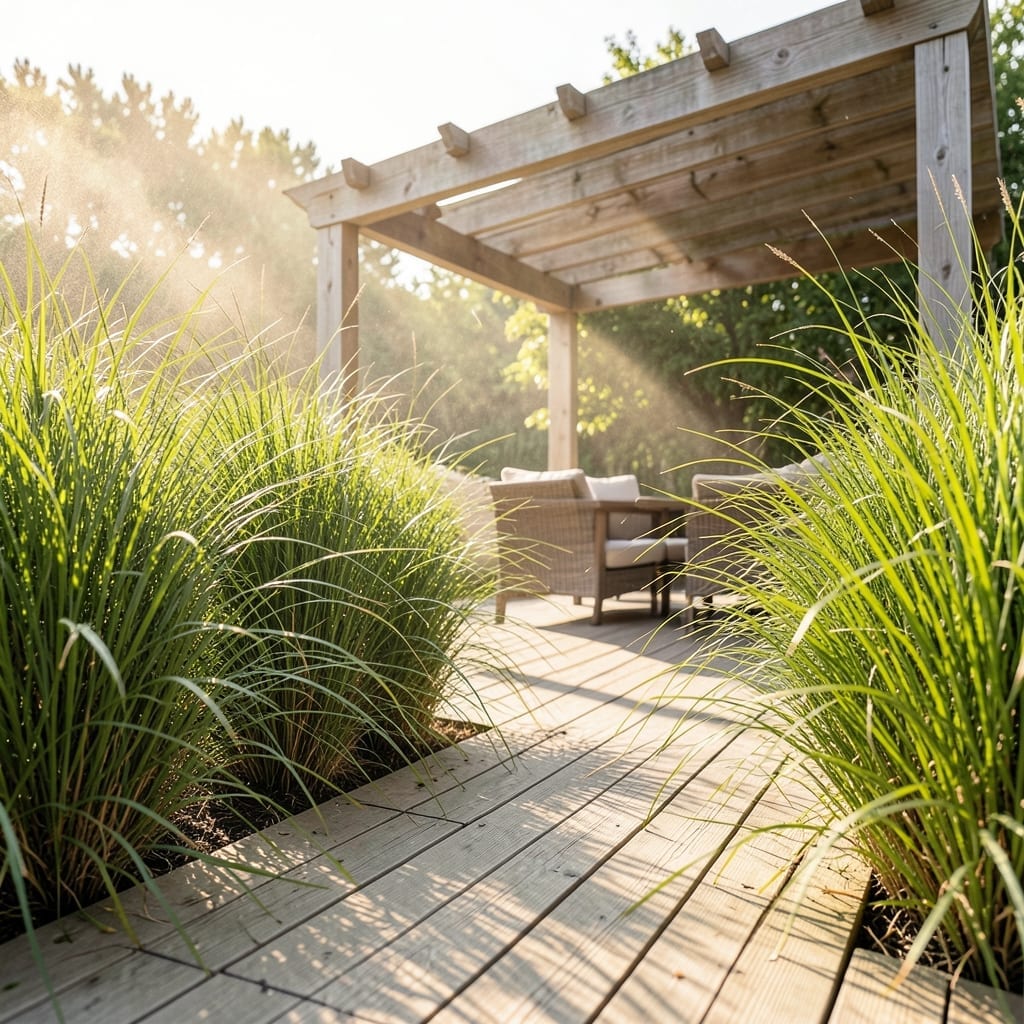
Create a gnat-free haven in your patio or deck with citronella grass, the natural source of that familiar mosquito-repelling citrus fragrance. This tall, clumping grass releases its potent scent into the air, effectively keeping gnats away from your outdoor living spaces.
Thriving in full sun to partial shade, citronella grass prefers moist, well-drained soil and can grow up to 5-6 feet tall. Plant it in large containers or directly in garden beds near seating areas for maximum effectiveness.
Ideal for those who love to entertain outdoors, this low-maintenance plant provides a chemical-free way to enjoy your space without pesky gnats. 🌿
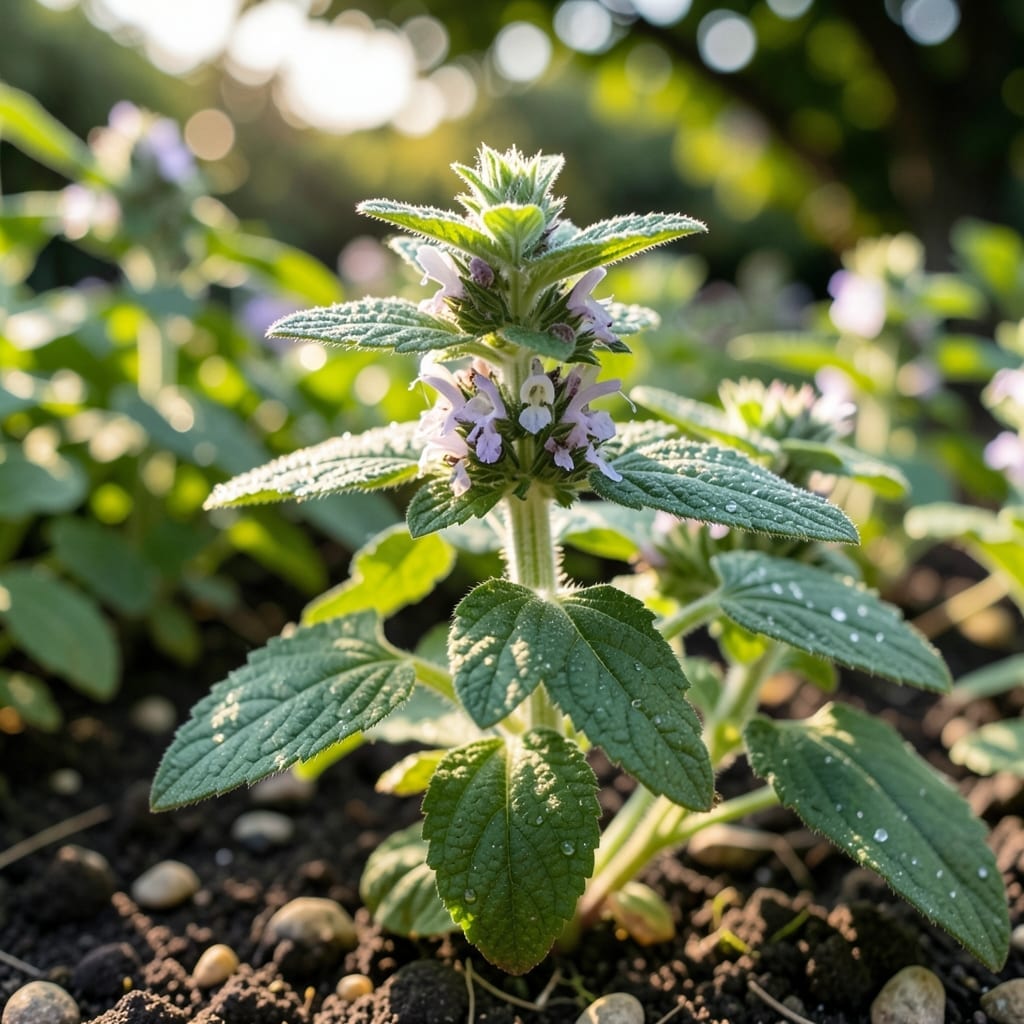
Forget chemical repellents—catnip packs a natural punch against gnats with its secret weapon: nepetalactone. This compound is scientifically proven to be more effective than DEET at keeping gnats away, all while being completely safe for your garden and pets.
Easy to grow in full sun to partial shade, catnip thrives in well-drained soil and spreads readily, making it a low-maintenance choice. Its fuzzy leaves and small white or lavender blooms add charm to any garden, and your cat will thank you for the entertainment.
Perfect for pet owners or anyone seeking a powerful, natural solution, catnip offers double the benefits with minimal effort. 🌿
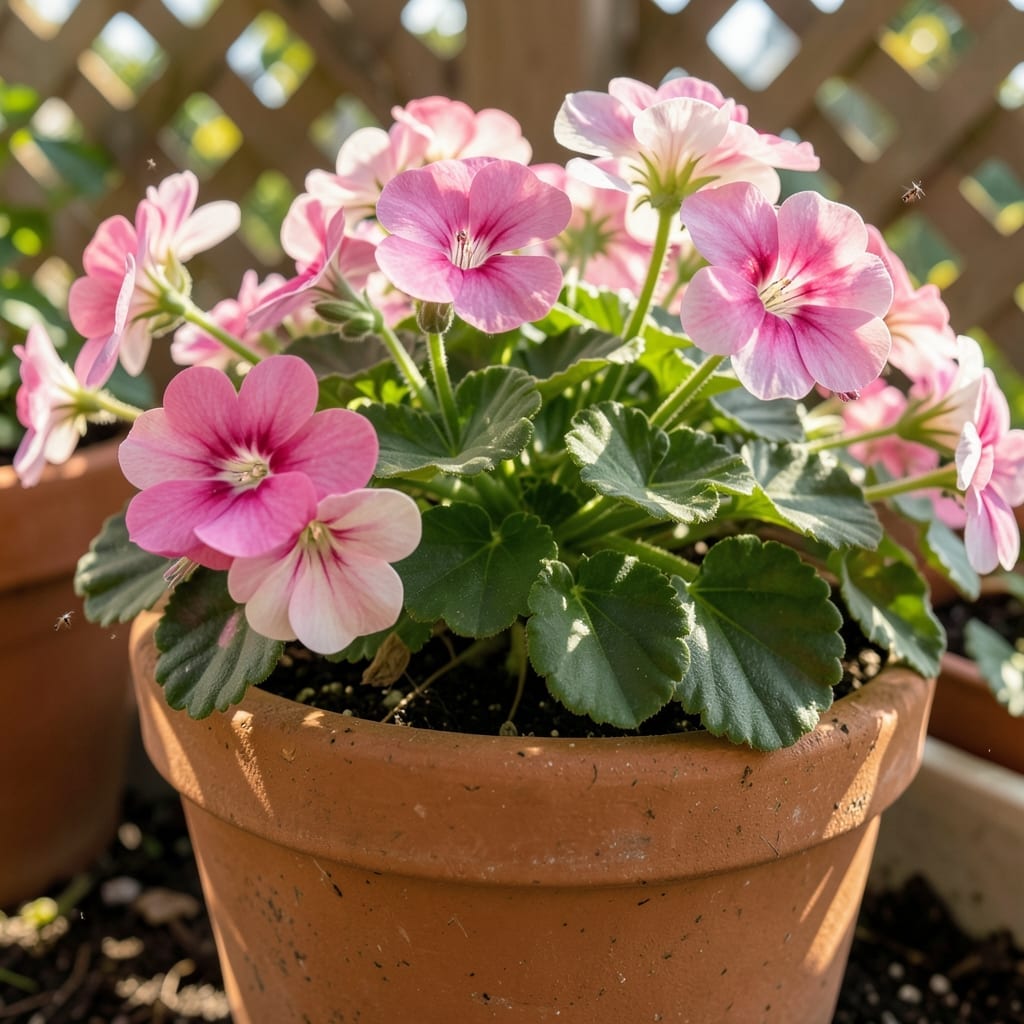
Tired of gnats buzzing around your container garden? Lemon-scented geraniums offer a fragrant solution with their vibrant blooms and pest-repelling properties. These cheerful plants release a citrusy aroma that disrupts gnats’ ability to find their targets.
Perfect for potted displays, they thrive in well-draining soil with 6-8 hours of sunlight daily. Their compact size makes them ideal for balconies, patios, or any small space where gnats tend to gather.
This makes them a favorite for urban gardeners wanting both beauty and a natural pest control method in one easy-to-grow package. 🌿
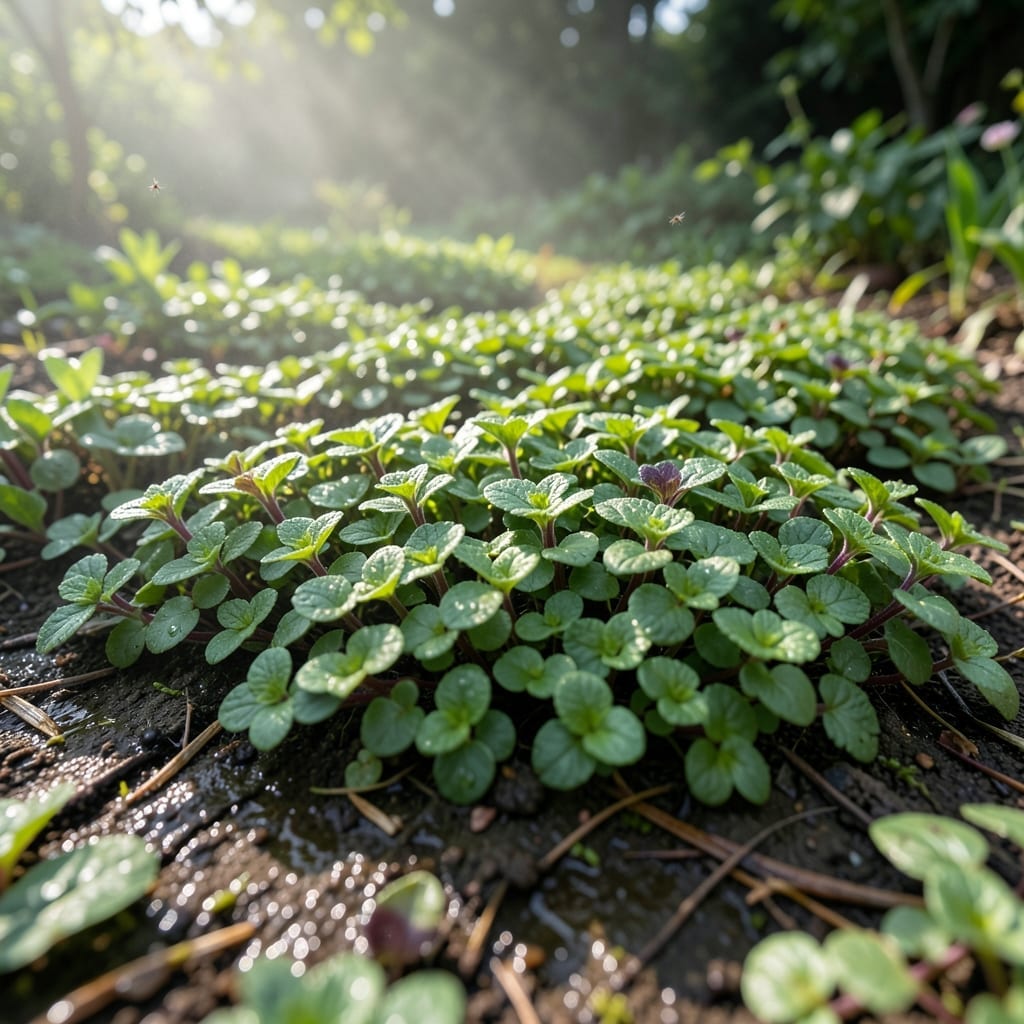
Tired of gnats hovering around damp garden spots? Pennyroyal forms a dense, aromatic ground cover that creates an invisible shield against these pests. Its strong minty fragrance disrupts gnats’ ability to navigate, keeping them far from your plants.
This low-growing perennial thrives in moist, well-drained soil and prefers partial shade to full sun. Plant it in areas where gnats frequent, like near water features or compost bins, for maximum effectiveness. It spreads readily, so consider containing it in borders.
Ideal for gardeners dealing with persistent gnat problems in wet areas, pennyroyal offers a natural, chemical-free solution that works while adding lush greenery. 🌿