
Beautiful Plants For Your Interior
Beautiful Plants For Your Interior
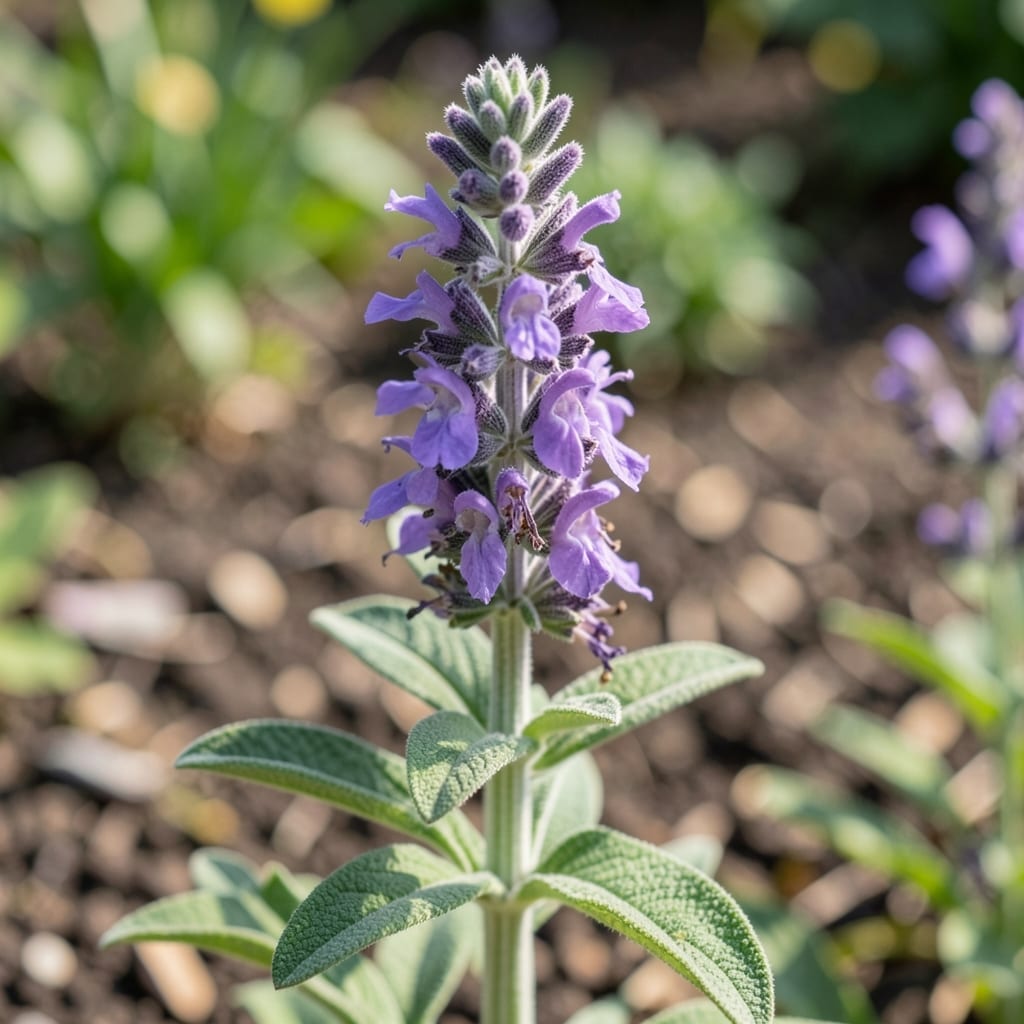
Deer turn my garden into a buffet every spring. 🌿 I finally found the solution: plants they can’t stand to eat, either because they smell too strong or taste too bitter.
Lavender, marigolds, and daffodils top my list. Their fragrant or toxic qualities send deer running the other way. I’ve watched them sniff and walk away.
Even better, these plants are low-maintenance and beautiful. They fill the garden with color and scent while keeping the deer at bay.
It’s not foolproof—hungry deer eat anything—but this approach has saved my garden season after season. Here’s what works best.
Deer may seem like indiscriminate grazers, but their plant preferences are shaped by biology, chemistry, and survival instincts. Here’s why some plants stay off the menu:
Many deer-resistant plants, like lavender, rosemary, and sage, produce powerful aromatic compounds called terpenes and phenols. These volatile oils overwhelm a deer’s sensitive olfactory system, making the plants unappealing. Deer rely heavily on scent to identify safe food sources, so pungent or bitter aromas signal potential toxicity or poor nutrition.
Plants such as foxglove, daffodils, and bleeding heart contain alkaloids, glycosides, or saponins—natural chemicals that can cause digestive upset, poisoning, or even death if ingested. Deer have evolved to avoid these compounds after just one bad experience, a behavior known as conditioned taste aversion. Even non-lethal bitterness (e.g., in marigolds) deters them.
Some plants use structural deterrents to fend off deer. Thorny or prickly species like barberry, holly, or Russian sage create physical barriers that make grazing painful. Deer will bypass these in favor of easier, softer options. Additionally, plants with tough, leathery leaves (e.g., lamb’s ear) are harder to chew and digest, further discouraging consumption.
Deer prioritize high-energy, nutrient-dense plants to meet their dietary needs. Species like boxwood or ornamental grasses offer little nutritional reward for the effort, so deer ignore them. These plants often have high fiber or lignified cell walls, which are difficult to break down and provide minimal calories.
Deer can wreak havoc on your garden, but there are practical ways to keep them at bay. Here’s how to solve the problem with targeted fixes and prevention tips.
Start by choosing plants deer naturally avoid. Opt for fragrant herbs like rosemary, lavender, or sage, or toxic foliage such as foxglove, daffodils, or bleeding hearts. These are unappealing to deer due to their strong scents or bitter tastes. Grouping these plants together can create a natural barrier.
Fencing is one of the most effective solutions. A 7- to 8-foot-tall fence will deter deer, as they’re less likely to jump over it. For smaller areas, use chicken wire or mesh to protect vulnerable plants. Raised beds with tall sides can also help keep deer from nibbling on your greens.
Commercial deer repellents, like those containing putrescent eggs or capsaicin, can be sprayed on plants to make them unpalatable. Reapply after rain for continued effectiveness. Homemade sprays with garlic, hot pepper, or soap can also work—just test on a small area first to avoid plant damage.
By combining these methods, you’ll create a garden that’s both beautiful and deer-resistant! 🌸
Yes! Strong-smelling herbs like lavender and rosemary overwhelm a deer’s sensitive nose, making them avoid the area. Plant them as a border for extra protection.
Daffodils, marigolds, and foxglove are excellent choices. Their bitter taste or toxic compounds make them unappealing to deer.
A fence needs to be at least 7-8 feet tall to prevent deer from jumping over. For smaller gardens, chicken wire can work as a temporary barrier.
Mixing garlic, hot pepper, or soap with water can deter deer. Reapply after rain, and always test on a small area first.