
Beautiful Plants For Your Interior
Beautiful Plants For Your Interior
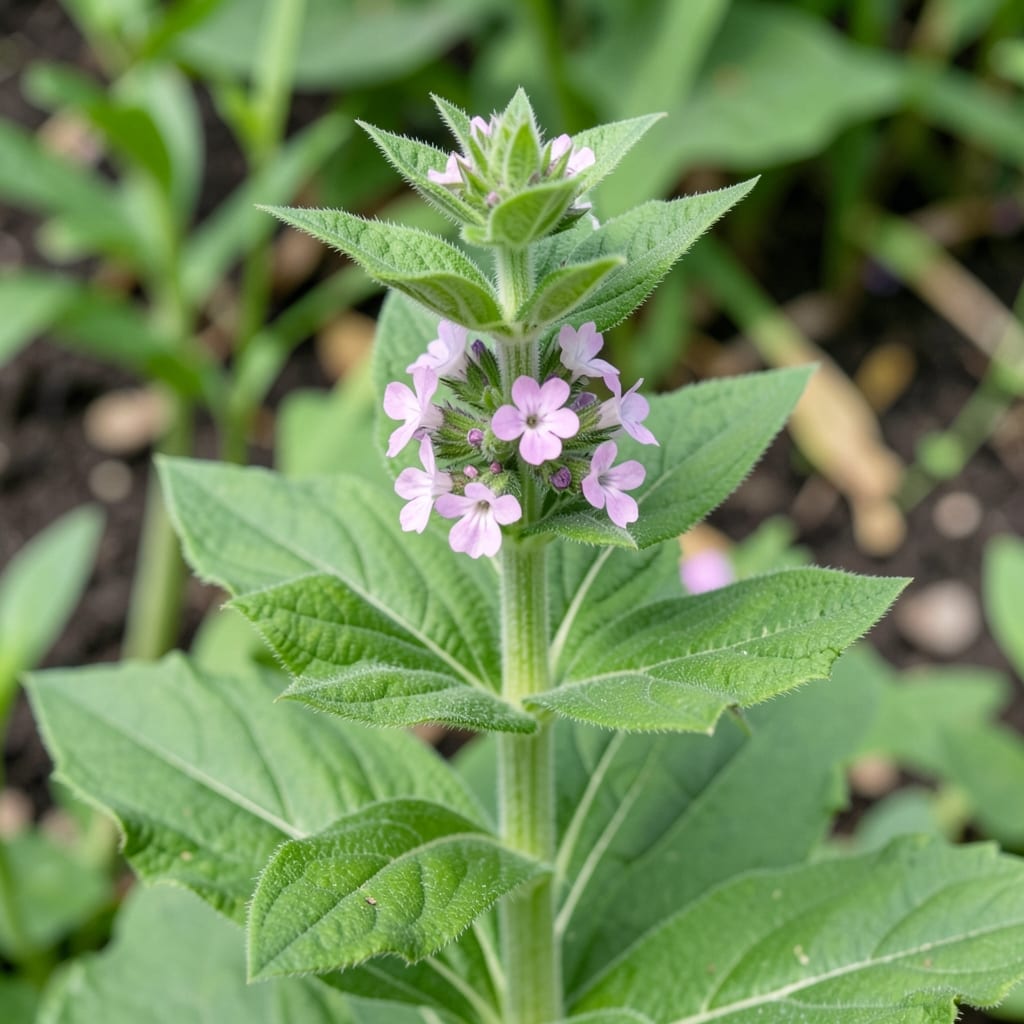
Caterpillars primarily eat leaves from host plants like milkweed, parsley, tomatoes, and cabbage. Some species target specific plants, while others are generalists consuming various garden vegetation.
I’ve noticed that Monarch butterflies rely exclusively on milkweed, while cabbage loopers will devour cruciferous veggies like kale and broccoli. This specialization often determines where they thrive in a garden, though generalist species like the tent caterpillar adapt to whatever foliage is available. 🔥
What’s fascinating is how some plants have evolved defenses against these hungry larvae, yet caterpillars persist by developing their own countermeasures. ✨
💡 In This Article
Caterpillars have evolved to specialize on certain plants, creating tight ecological relationships. Monarch butterflies, for example, only lay eggs on milkweed because their larvae cannot survive without its toxic compounds. These toxins, called cardiac glycosides, make the caterpillars distasteful to predators, creating a mutual defense system.
Other species like the black swallowtail target parsley, dill, and carrot families, which contain different chemical defenses. 🔥
The cabbage looper and diamondback moth caterpillars specifically seek out cruciferous plants like cabbage, kale, and broccoli. These plants produce glucosinolates, sulfur-containing compounds that most insects avoid—but these caterpillars have adapted to detoxify them.
Meanwhile, tomato hornworms focus on nightshade family plants, consuming up to 4 leaves per day as they grow rapidly toward their final molt. ✨
Generalist feeders like tent caterpillars and fall webworms aren’t picky, consuming leaves from over 100 tree species including oak, maple, and fruit trees. Their adaptability allows them to explode in population when food is abundant, often defoliating entire sections of forest canopies during outbreaks.
This behavior actually benefits some ecosystems by recycling nutrients through frass (caterpillar waste).
Native plants often support more caterpillar species than non-natives. Research shows oak trees alone can host over 500 species of caterpillars in North America, while non-native gingko trees support fewer than 5 species.
This highlights why planting native species creates more biodiverse gardens that support the entire food web, from caterpillars to the birds that eat them. 💫
Some plants have developed remarkable defenses. When caterpillars chew on leaves, certain plants release volatile organic compounds that attract parasitic wasps. These wasps then lay eggs in the caterpillars, eventually killing them. It’s a fascinating arms race where plants evolve new defenses and caterpillars develop counter-strategies, driving biodiversity in both groups.
Specialized caterpillars have evolved to rely on specific host plants for survival. Monarchs, for example, can only digest milkweed due to its unique toxins. This relationship provides both food and chemical defenses against predators.
Look for chewed leaves, holes, or silk webbing on plants. Check undersides for eggs or small larvae. Monarchs target milkweed, while cabbage loopers prefer kale and broccoli. Early morning inspections often reveal active caterpillars.
Most caterpillars primarily consume leaves, but some also eat flowers, stems, or fruit. Tomato hornworms, for instance, will devour tomato fruit as well as foliage. A few species even feed on decaying plant matter or fungi.
Milkweed specifically attracts Monarchs, which are beneficial pollinators. While they may eat the leaves, they won’t damage other plants. In fact, they help control pest populations and support biodiversity.