
Beautiful Plants For Your Interior
Beautiful Plants For Your Interior
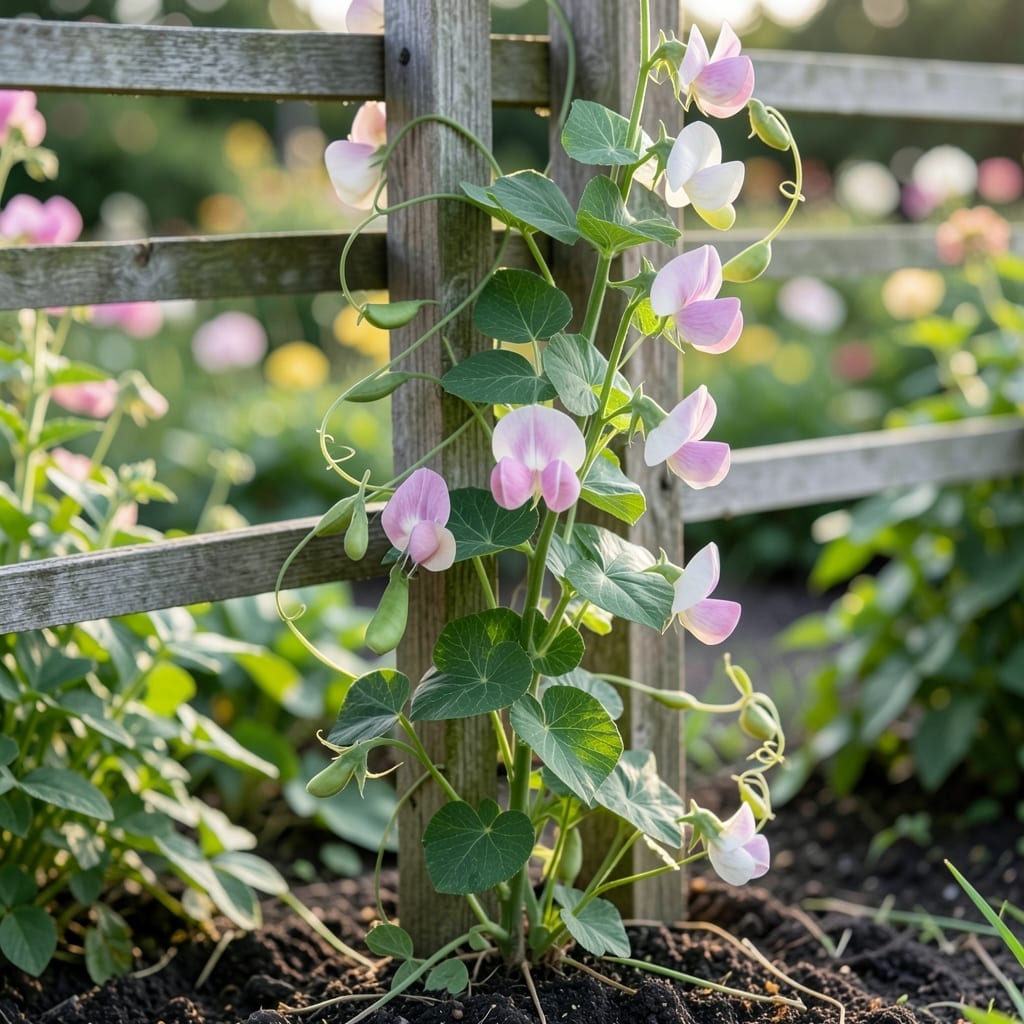
There’s something magical about watching 🌸 Sweet Pea vines transform into a riot of color and fragrance. As a gardener, I know the anticipation of waiting for those first blooms can feel endless.
Timing is everything with these charming climbers. While most gardeners in zone 6 see flowers from June to September, several factors can shift this window.
Discover how planting time, climate, and care practices influence when your Sweet Peas will burst into bloom – and how to extend their flowering season.
If you’re wondering what month do sweet peas flower, the answer depends on when and where you plant them. In most regions, these fragrant climbers begin blooming in early summer, typically June for spring plantings.
For gardeners in cooler climates or those who sow seeds in early spring, you might see the first delicate blooms as early as late May. The flowering season then continues through summer until the first frost. ☀️
| Planting Time | Flowering Start | Peak Blooming | Blooming End |
|---|---|---|---|
| Early Spring | Late May | July-August | September |
| Mid Spring | June | July-September | First Frost |
| Fall (Mild Climates) | Early Spring | April-May | June |
In warmer USDA zones like 7-9, sweet peas can be planted in fall for early spring blooms. These plants thrive in cool weather and may struggle in intense summer heat, often pausing blooms until temperatures cool. 🌿
For annual varieties, the flowering timeline is more predictable. Plant in March or April, and you’ll typically see first flowers about 60-90 days after sowing. This means May to June blooms for most gardeners.
The perennial sweet pea (Lathyrus latifolius) follows a slightly different schedule. Once established, it returns each year, often blooming a bit earlier than annual types, sometimes as soon as late April in mild climates.
Regional variations play a big role too. In the Pacific Northwest, cool summers mean sweet peas may bloom continuously from June through September. But in hot southern states, they might finish blooming by early July as temperatures rise.
I’ve found that succession planting can extend the season. Sow a new batch of seeds every 2-3 weeks from early spring until midsummer for a continuous display of colorful blooms.
Remember that soil temperature affects germination. Sweet pea seeds prefer cool soil (about 55-65°F) to sprout. In areas with hot springs, you might need to plant in partial shade to keep the soil cool enough for good growth. 🌱
Proper care can also influence your blooming timeline. Regular watering and balanced fertilizer help plants establish quickly. Once buds form, switching to a low-nitrogen, high-phosphorus feed can encourage more abundant flowering.
To keep your sweet peas blooming longer, I recommend deadheading spent flowers regularly. This simple practice prevents seed formation and encourages the plant to produce more blooms instead.
Another trick is succession planting. Sow new seeds every 2-3 weeks from early spring until midsummer. This staggered approach ensures a continuous supply of fresh blooms.
Feeding your sweet peas with the right nutrients makes a big difference. Use a balanced fertilizer early on, then switch to a low-nitrogen, high-phosphorus formula once buds appear to boost flowering.
In hot climates, afternoon shade can prevent heat stress and extend the blooming period. I’ve seen sweet peas thrive in partial shade during the hottest months, producing flowers well into summer. 🌿
Consistent watering is key, especially during dry spells. Aim for 1 inch of water per week, keeping the soil moist but not soggy. Mulching helps retain moisture and keeps roots cool.
Finally, support your vines properly. Strong trellises or netting allow plants to climb freely, which improves air circulation and reduces disease risk. This leads to healthier plants with more abundant blooms. 🌱