
Beautiful Plants For Your Interior
Beautiful Plants For Your Interior
I’ve spent too many mornings finding my bulbs dug up and bird feeders emptied. Squirrels are clever, persistent, and can wreak havoc on a garden in 24 hours. But there are natural ways to protect your space without harm.
The key is working with nature, not against it. Certain plants, strategically placed, can deter them. So can simple barriers and habitat modifications. These methods keep squirrels away while maintaining the balance of your garden ecosystem.
You’ll notice fewer chewed plants within a week of implementing these solutions. Your garden stays productive, your sanity stays intact, and the squirrels? They’ll find easier pickings elsewhere.
Works for vegetable gardens, flower beds, and even container setups. Here’s how to reclaim your space.
Understanding why squirrels die naturally in the wild or in gardens can help you take preventative measures to protect them or manage populations responsibly. Below are the most common natural causes:
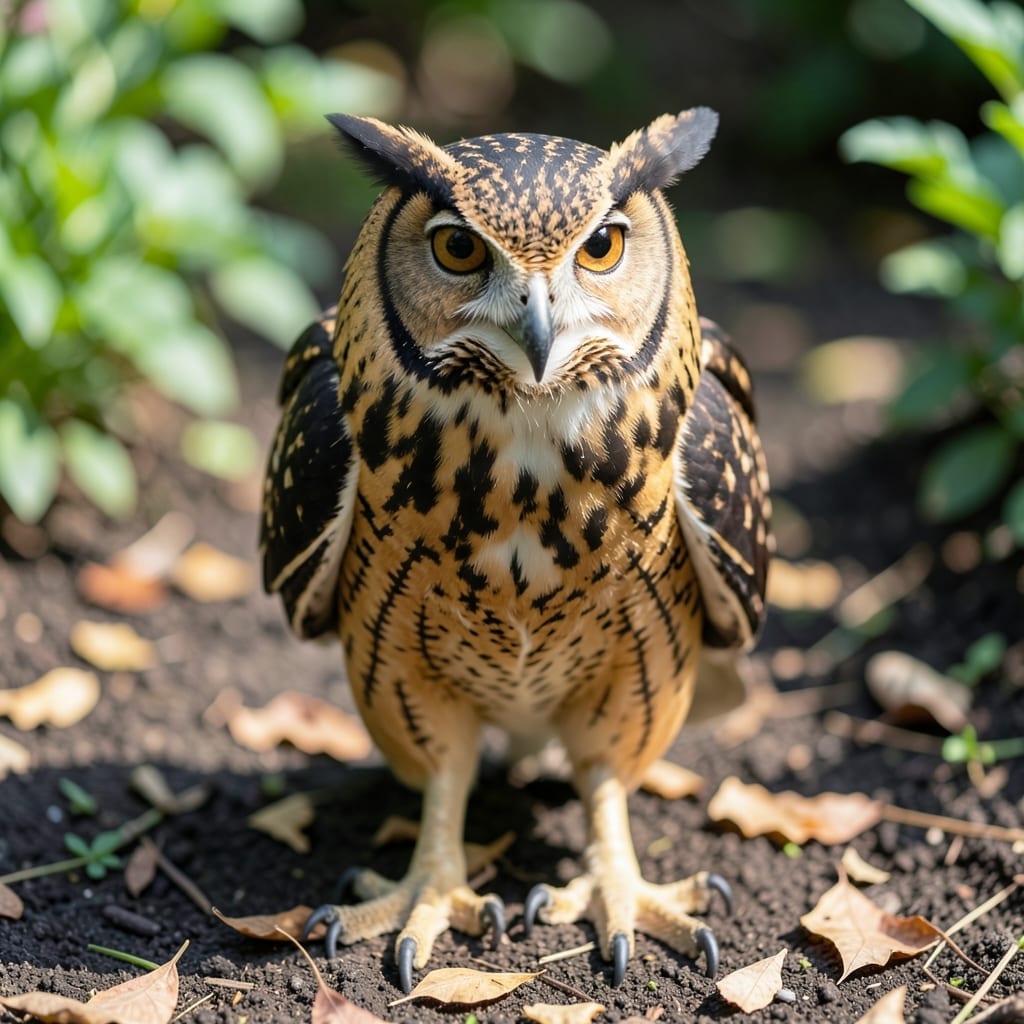
Squirrels are a vital part of the food chain, and predators like hawks, owls, foxes, and snakes often hunt them for sustenance. This is nature’s way of maintaining ecological balance. Young or injured squirrels are particularly vulnerable to such attacks.
Squirrels can succumb to diseases like squirrel pox, which is spread by parasites such as fleas. Other common illnesses include leptospirosis and tularemia, which weaken their immune systems. Parasitic infestations, like botfly larvae, can also lead to fatal infections if untreated.
Extreme weather plays a significant role in natural squirrel mortality. Freezing temperatures during winter can deplete their food sources, leading to starvation. Conversely, severe heatwaves in summer can cause dehydration or heatstroke, especially for young squirrels.
Squirrels rely heavily on nuts, seeds, and fruits. In seasons where food is scarce—such as late winter or droughts—they may starve. Urban areas with limited greenery can also exacerbate this issue, as squirrels struggle to find adequate nourishment.
While not entirely “natural,” human activities like deforestation, pesticide use, and road traffic indirectly contribute to squirrel deaths. Habitat loss forces them into dangerous areas, increasing their exposure to predators and accidents.
Dealing with squirrels in your garden or home doesn’t have to mean harsh chemicals or inhumane traps. Here’s how to address the most common issues naturally and effectively.
Squirrels are drawn to easy food sources like bird feeders, fallen fruit, or unsecured trash. Fix: Use squirrel-proof bird feeders with weighted perches that close under their weight. Clean up fallen nuts, seeds, or fruit daily. Store trash in sealed, animal-proof bins. Prevention tip: 💡 Avoid leaving pet food outside, and consider planting squirrel-resistant crops like daffodils or mint.
Squirrels often nest in attics, chimneys, or sheds. Fix: Inspect your home for gaps or holes (even small ones—squirrels can chew through weak spots!). Seal entry points with steel mesh, metal flashing, or hardware cloth. Trim tree branches at least 6–8 feet away from your roof to limit access. Prevention tip: ✨ Install chimney caps and vent covers to keep them out for good.
If squirrels are digging up your garden or munching on plants, try natural repellents. Fix: Sprinkle cayenne pepper, crushed garlic, or predator urine (like fox or coyote) around affected areas—squirrels dislike these strong scents. Alternatively, use motion-activated sprinklers for a harmless scare. Prevention tip: 🎯 Rotate deterents weekly so squirrels don’t get used to them.
Squirrels can become territorial, especially during mating season. Fix: Provide an alternative food source far from your home, like a designated squirrel feeder filled with corn or nuts. This distracts them from your garden or property. Prevention tip: 🌡️ Avoid confrontations—never attempt to handle or corner a squirrel, as they may bite if threatened.
Yes! Strong-smelling plants like mint, alliums, or marigolds can help. These scents are unpleasant to squirrels and may keep them away from your garden.
Use a squirrel-proof feeder with a weighted perch that closes under their weight. Alternatively, place feeders on thin wires squirrels can’t balance on.
Yes, fox or coyote urine is a natural, non-toxic method. Sprinkle it around garden edges—squirrels will detect the scent and avoid the area.
Consistency is key. Many people apply repellents sporadically, but squirrels adapt quickly. Rotate methods weekly for best results.