
Beautiful Plants For Your Interior
Beautiful Plants For Your Interior
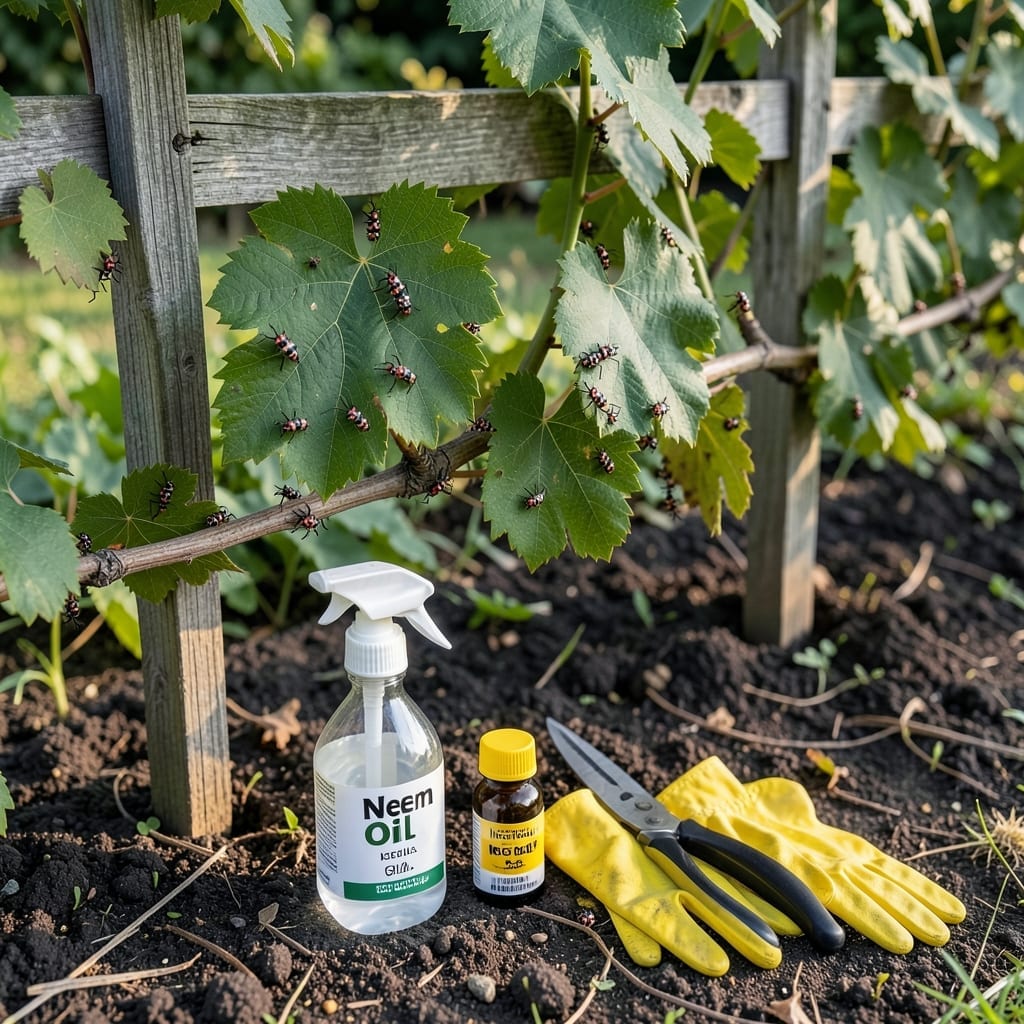
Spotted lanternfly nymphs can destroy plants in weeks. I’ve tested every method to stop them without harming the garden. The key is catching them early before they multiply.
Organic solutions like neem oil and soapy water work surprisingly well. These are safe for plants but deadly for nymphs. A simple spray bottle and weekly checks can keep them under control.
Prevention matters most. Removing egg masses in late winter stops the cycle before it starts. I inspect tree trunks and garden furniture regularly—it’s a game-changer.
For heavy infestations, sticky traps help monitor and reduce their numbers. Consistency is everything when protecting your garden.
The death of spotted lanternfly nymphs often stems from natural predators, environmental factors, or targeted interventions. Below are the primary causes, explained scientifically and actionably.
Nymphs fall victim to birds, spiders, and parasitic wasps that feed on them. For instance, Neosconinobia morio (a predatory bug) and Praying mantises actively hunt nymphs, disrupting their lifecycle. Encouraging these predators in your garden can reduce nymph populations naturally.
Extreme temperatures, especially prolonged heat above 95°F (35°C) or freezing conditions, can kill nymphs. Additionally, drought weakens their host plants (e.g., grapevines, tree of heaven), starving them. Removing host plants or exposing nymphs to harsh conditions accelerates their decline.
Insecticides like neem oil or soapy water sprays disrupt nymphs’ cell membranes, causing dehydration. Fungal pathogens such as Beauveria bassiana also infect and kill them. Applying these treatments directly to nymph clusters ensures high efficacy.
Spotted lanternfly nymphs can wreak havoc on your garden, but you can fight back with targeted solutions. Below are practical, easy-to-follow methods to eliminate them and prevent future outbreaks.
For small infestations, manually remove nymphs by scraping them into a container of soapy water. Early morning or late evening is the best time, as nymphs are slower and easier to catch. Wear gloves to avoid squishing them, which can spread their sticky residue.
Encourage natural predators like praying mantises, spiders, and birds by maintaining a biodiverse garden. You can also set up circle traps around tree trunks—nymphs crawl upward and get trapped in the sticky barrier. Replace the sticky bands every 1-2 weeks for maximum effectiveness.
Use neem oil or insecticidal soap to target nymphs directly. Mix according to package instructions and spray thoroughly on both sides of leaves, especially where nymphs cluster. Reapply after rain for continued protection.
Pro tip 💡: Act fast—nymphs grow quickly, and early intervention prevents a full-blown infestation.
Reapply neem oil or soapy water every 5-7 days, or after rain. Consistency is key to breaking their life cycle.
Yes, but use circle traps for best results. Place them around tree trunks and replace sticky bands every 1-2 weeks.
Early morning or late evening works best. Nymphs move slower then, making them easier to scrape into soapy water.
Yes! Prolonged heat above 95°F (35°C) or freezing temps can kill nymphs. Drought also weakens their host plants.