
Beautiful Plants For Your Interior
Beautiful Plants For Your Interior
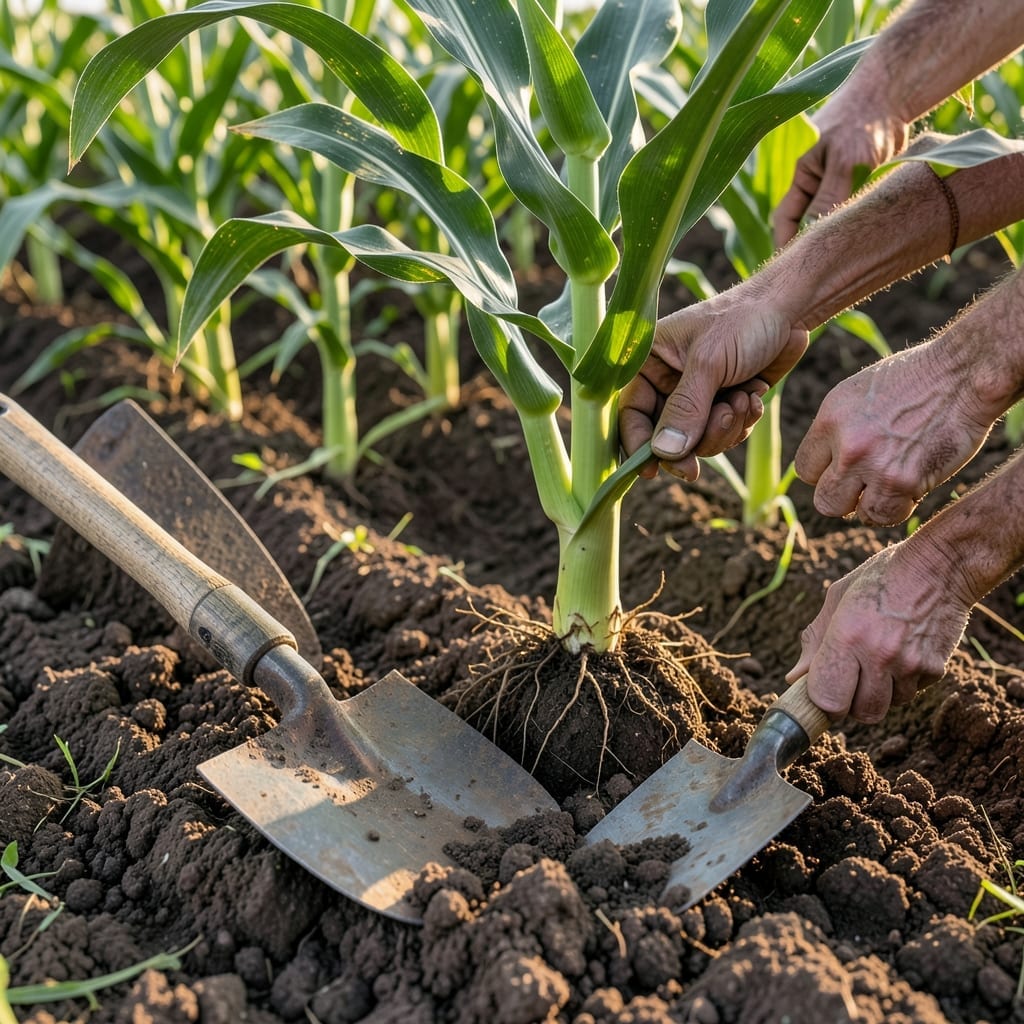
Tillage farming is an agricultural practice involving the mechanical manipulation of soil to prepare for planting, improve soil structure, control weeds, and enhance water absorption.
I’ve seen firsthand how this method turns compacted earth into a fertile bed for seeds. By breaking up the ground, it allows roots to penetrate deeper while giving essential nutrients a chance to mix throughout the topsoil layer. What’s fascinating is how it also disrupts weed growth cycles, giving crops a competitive edge early in the season. 💫
💡 In This Article
Mechanical soil disturbance creates air pockets that boost microbial activity, essential for breaking down organic matter into plant-available nutrients. This aeration also allows roots to access oxygen more efficiently, particularly in clay-heavy soils where compaction is common.
The process typically involves tools like plows or harrows that turn the soil to a depth of 6-12 inches, depending on crop requirements. 🌟
Nutrient distribution improves dramatically as buried organic material gets mixed into the upper soil layers. In my experience, this mixing creates a more uniform growing medium where seeds can establish quickly.
The action also exposes fresh soil to sunlight, which can temporarily increase soil temperature by 5-10°F in the top few inches, accelerating early season growth.
Weed suppression happens through multiple mechanisms. The physical disruption uproots existing weeds, while burying weed seeds too deep for germination. This gives crops a 2-3 week head start in the competition for light and nutrients.
The exposed soil surface also dries faster, which can be advantageous in wet climates but requires careful water management in arid regions. ⚡
Water absorption improves as the broken soil structure creates capillary channels that guide moisture downward. This is particularly noticeable in sandy soils where water might otherwise run off. However, the same process can increase evaporation rates by 15-20% if not properly managed with mulch or cover crops.
The trade-off between water retention and drainage needs careful consideration based on local conditions.
What many don’t realize is how tillage affects soil pH over time. By mixing lime or other amendments into the root zone, farmers can correct acidity issues more effectively than surface applications. This is why soil testing becomes crucial after several seasons of tillage to monitor these gradual changes. 💫
Farmers typically use plows, harrows, or cultivators to break up and turn the soil. These tools vary in depth, with plows working 8-12 inches deep and harrows creating a finer seedbed. Modern versions include rotary tillers for smaller operations.
Frequency depends on the crop and soil type. Annual tilling is common for row crops, while perennial beds may only need it every 2-3 years. Over-tilling can damage soil structure, so it’s best to follow a strategic schedule.
It’s most effective for clay or loamy soils that benefit from aeration. Sandy soils may not need it as often, while rocky or shallow soils can be damaged by excessive tilling. Always consider your specific soil composition.
Over time, it can lead to soil compaction, erosion, and loss of organic matter. It also requires significant fuel and labor inputs. Many farmers now combine it with cover crops to mitigate these issues.