
Beautiful Plants For Your Interior
Beautiful Plants For Your Interior
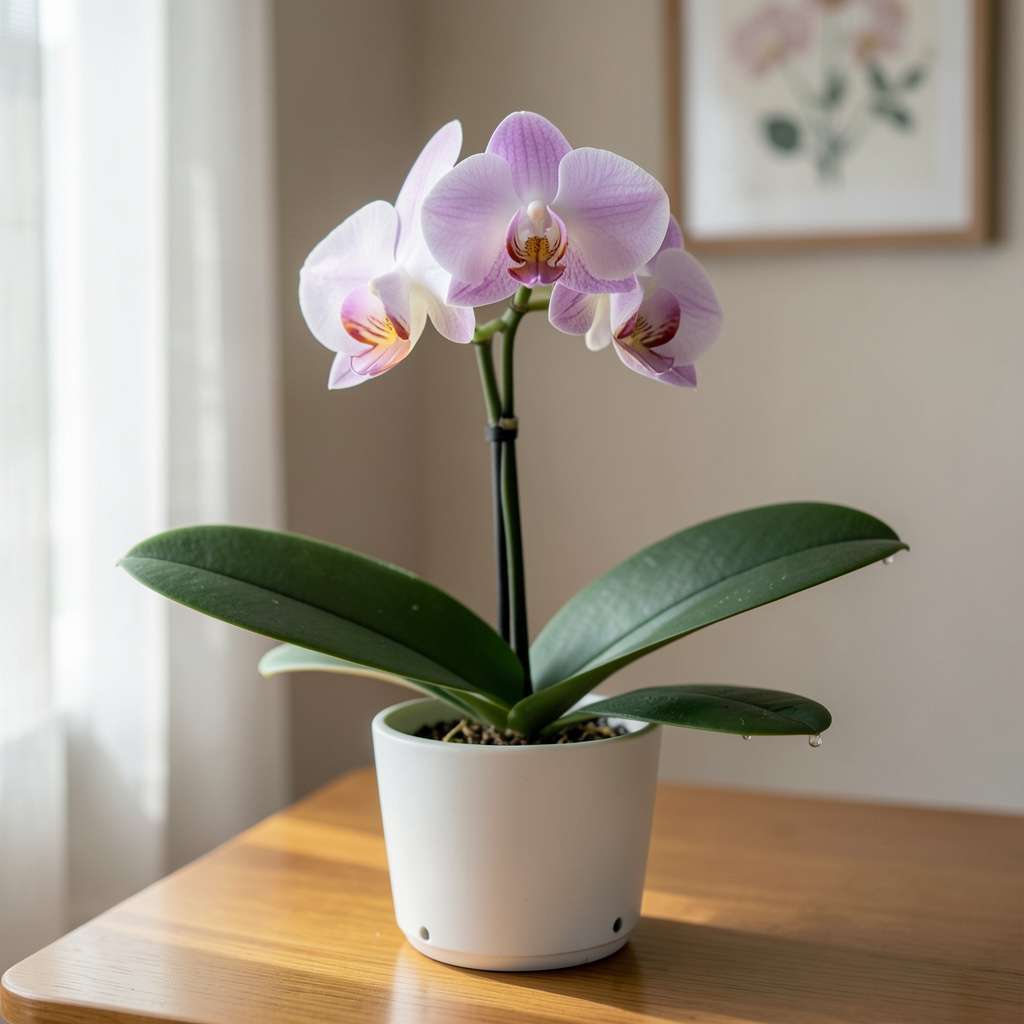
Indoor orchids typically have a growing season from spring through fall, lasting 3-4 months, depending on light, temperature, and care. Growth slows in winter due to reduced light and cooler temperatures.
Understanding the growing season for indoor orchids is essential for thriving plants. 🌱 During this time, which spans from spring through fall, these beautiful flowers thrive due to increased light and warmer temperatures. I make adjustments to my care routine, ensuring they receive adequate water and nutrients to maximize their growth potential. When winter arrives, it’s crucial to adapt to their slower growth rate by reducing watering and fertilization to prevent stress on the plants. 🌟
💡 In This Article
The growth cycles of indoor orchids are fascinating, driven primarily by environmental factors such as light and temperature. During spring and summer, the increased daylight hours, often exceeding 12 hours, trigger the photosynthesis process crucial for their growth. This process converts light energy into chemical energy, promoting robust foliage and flower development. 🌼
Temperature also plays a vital role, with most orchids thriving between 65°F and 75°F. This warmth stimulates metabolic activities, allowing orchids to utilize nutrients more efficiently. In contrast, as autumn approaches and daylight diminishes, temperatures begin to drop. This signals the plant to prepare for dormancy, leading to a natural slowdown in growth. 🍂
Interestingly, mimicking these natural seasonal changes indoors can extend the growing period of orchids. For instance, providing supplemental lighting during shorter winter days can help maintain their activity levels. I often use grow lights to replicate those long summer days, ensuring my orchids stay vibrant even when outside conditions are less favorable. 💡
During this active growth phase, it’s essential to adjust care routines. Regular watering and balanced fertilizers containing nitrogen are crucial for promoting strong root systems and lush foliage. I recommend fertilizing every two weeks with a diluted orchid-specific mix to encourage healthy growth. 🌱
However, over-fertilization can stress the plants, leading to nutrient burn or root damage. It’s important to watch for signs such as yellowing leaves or wilting blooms, which indicate stress. When this occurs, I reduce fertilizer application and check the moisture levels in the potting medium to ensure a healthy balance. ⚖️
As the growing season transitions to fall, gradually reducing water and nutrient input is vital. This adjustment mimics the natural lifecycle of orchids preparing for dormancy, helping them conserve energy for the winter months ahead. Remember, every orchid species has its preferences, so observing their specific needs is key to success! 🌟
