
Beautiful Plants For Your Interior
Beautiful Plants For Your Interior
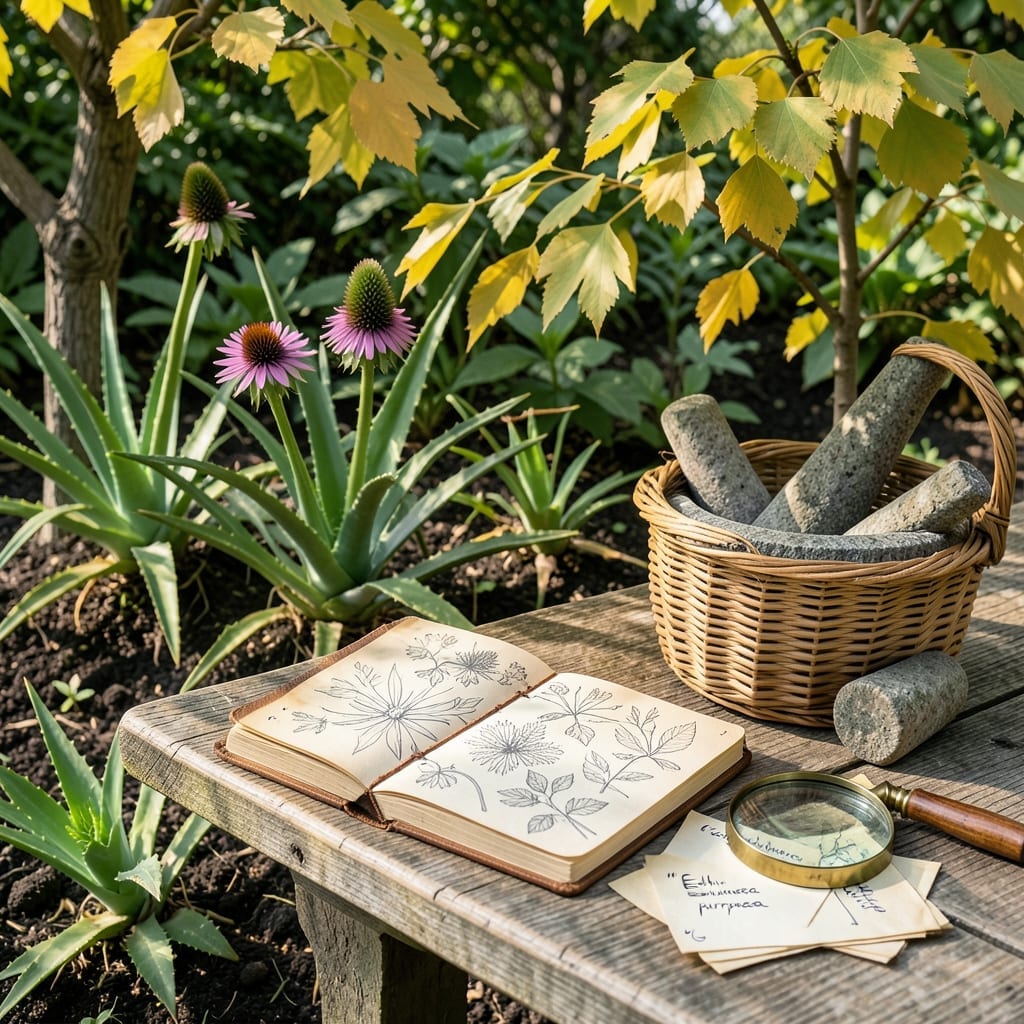
Ethnobotany emerged as a formal discipline in the late 19th century, though its roots stretch back millennia. Indigenous communities across the Americas, Africa, and Asia developed sophisticated plant knowledge long before written records.
The term itself was coined by John Harshberger in 1895, but earlier naturalists like Alexander von Humboldt documented traditional plant uses during their explorations. 🔥
What truly shaped ethnobotany was the realization that indigenous knowledge systems were just as valid as Western science. Tribes in the Amazon, for example, classify over 1,300 plant species for medicinal use alone. This depth of understanding forced scientists to reconsider how they approached plant study.
The field gained academic traction in the 1960s as researchers began collaborating with traditional healers. ✨
Key figures like Richard Evans Schultes spent decades living with Amazonian tribes, documenting their use of plants like coca and peyote. His work revealed that these cultures understood plant chemistry at a molecular level, long before modern labs could isolate compounds. This bridge between traditional and scientific knowledge became ethnobotany’s foundation. 💫
The discipline evolved further when researchers discovered that 25% of modern medicines originate from traditional plant remedies. Aspirin’s active ingredient, for instance, was first derived from willow bark—a remedy used by ancient Egyptians. This validation of indigenous knowledge systems marked a turning point in how the scientific community viewed traditional practices. ⚡
Today, ethnobotany continues to uncover lost knowledge. In 2015, researchers working with Mexican healers identified a plant used to treat diabetes that showed promising results in preliminary trials. Such discoveries highlight how this field preserves cultural heritage while advancing modern medicine. 🌟
Researchers often focus on medicinal plants like echinacea or willow bark, as well as food crops such as corn or quinoa. Ritual plants like sage or peyote are also significant. The study includes any plant with cultural importance, whether for tools, dyes, or spiritual practices.
While botany studies plants biologically, ethnobotany explores their relationship with people. It examines how cultures classify, use, and perceive plants, blending anthropology with plant science. Think of it as botany with a human story.
Indigenous communities hold generations of plant wisdom that modern science is still discovering. Their traditional uses often reveal medicinal or agricultural benefits. Preserving this knowledge honors cultural heritage while advancing research.
About 25% of modern medicines originate from traditional plant remedies. Aspirin came from willow bark, and research continues to uncover new compounds from ethnobotanical sources. It bridges ancient wisdom with cutting-edge science.