
Beautiful Plants For Your Interior
Beautiful Plants For Your Interior
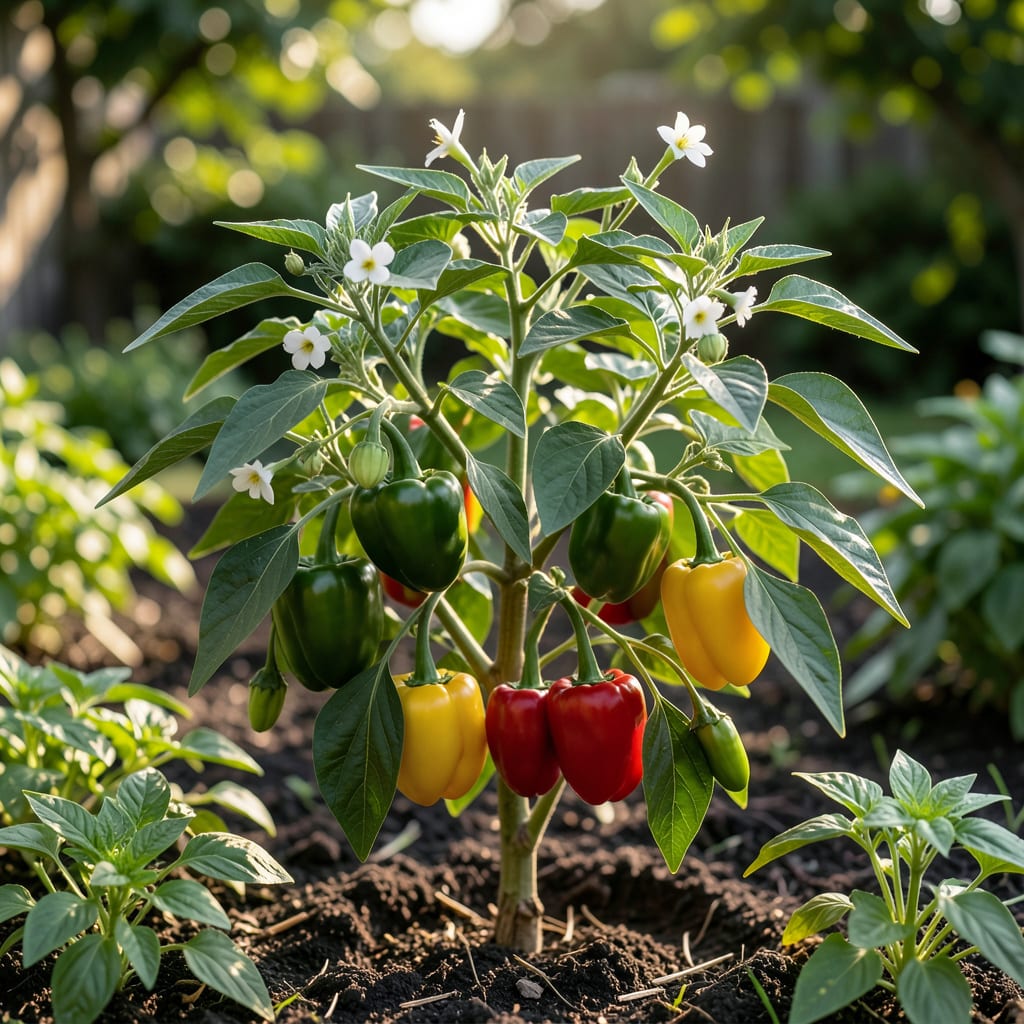
Nighttime pepper plant damage is usually caused by slugs, snails, earwigs, or cutworms. These pests feed on leaves and stems under cover of darkness, leaving ragged edges, holes, or severed seedlings.
These nocturnal visitors thrive in the cool, damp conditions of evening gardens, which is why you might not spot them during the day. 🌙 Slugs and snails leave silvery slime trails, while cutworms create sudden, clean cuts at the base of young plants—almost like someone took scissors to your seedlings. Earwigs, though less destructive, often chew irregular holes in tender leaves. I’ve found that checking plants with a flashlight after sunset reveals these culprits in action, especially after watering or rain.
What’s particularly frustrating is how quickly these pests can devastate a pepper plant overnight. A healthy seedling can become a stubby stem by morning if cutworms are present. 💥 The key is understanding their behavior—most of these pests avoid daylight to prevent dehydration and predator exposure, which is why they’re so active when you’re not watching.
💡 In This Article
Night-feeding pests leave distinct calling cards if you know where to look. Slugs and snails create irregular holes with smooth edges, often surrounded by shiny mucus trails that glisten in morning light. 🌙 These trails are actually calcium carbonate deposits from their slime, which helps them glide while protecting their soft bodies from rough surfaces.
Cutworms, on the other hand, operate like tiny lumberjacks—you’ll find seedlings cleanly severed at soil level, with the top portion often dragged a few inches away.
Earwigs reveal themselves through jagged, shallow chew marks on leaf edges, typically concentrated on younger, more tender foliage. Their damage looks like someone took pinking shears to your plants. What’s telling is their preference for flower buds and new growth—they’re after the highest protein content available.
I’ve noticed their activity spikes when evening temperatures stay above 60°F, as this matches their ideal foraging conditions.
The science behind their nighttime activity is fascinating. Slugs and snails lose moisture rapidly in daylight, so they’ve evolved to feed when humidity is highest—typically between 10 PM and 2 AM. Cutworms avoid daytime predators like birds, while earwigs actually have light-sensitive compound eyes that make them naturally nocturnal.
This is why you’ll rarely see them during the day, even if you search thoroughly.
Life cycle stages dramatically affect damage patterns. Young cutworms (first instar) might only nibble leaves, while mature larvae can fell entire seedlings in one night. Slugs lay transparent eggs in clusters under debris—each clutch can produce 20-100 new pests. Earwigs undergo incomplete metamorphosis, meaning the nymphs look like miniature adults and start feeding immediately.
I once found a pepper plant completely skeletonized overnight by a family of earwigs that had just hatched in the mulch below.
Here’s what most gardeners miss: these pests follow scent trails. Slugs can detect pepper plants from 20 feet away using their lower tentacles, which function like noses. Cutworms are attracted to the CO₂ that young plants emit during active growth.
This explains why newly transplanted peppers are often hit hardest—they’re essentially sending out a dinner invitation through chemical signals that these pests have evolved to detect.
Moisture plays a critical role in their activity levels. After watering or rain, you’ll see 3-5× more damage because:
The damage isn’t just cosmetic—it creates entry points for bacterial and fungal infections.
I’ve seen pepper plants develop bacterial spot within 48 hours of slug damage, as the mucus they leave behind contains microorganisms that exploit the fresh wounds. This secondary damage often does more harm than the initial feeding, which is why prompt identification is so crucial.
Pro tip: Set up a “pest monitoring station” by placing a 12×12″ board near your peppers. Check underneath with a flashlight after 9 PM—you’ll often find multiple species gathered there.
The board creates a cool, moist microhabitat that’s irresistible to these night feeders, giving you a chance to see exactly what you’re dealing with before they scatter at dawn. ✨
Look for specific clues: silvery slime trails mean slugs/snails, clean cuts at the base indicate cutworms, and jagged leaf edges suggest earwigs. Use a flashlight after 9 PM to catch them in action—most are visible then but hide by morning.
Nighttime offers ideal conditions: cooler temps, higher humidity, and fewer predators. Slugs lose moisture in daylight, while cutworms avoid birds. Earwigs have light-sensitive eyes. They’re most active between 10 PM-2 AM when dew forms, creating perfect feeding conditions.
Create physical barriers immediately: wrap stems with copper tape or make collars from cardboard. Sprinkle diatomaceous earth in a 2-inch ring around plants. For instant results, set beer traps for slugs—they’ll drown within hours. Reapply barriers after rain for continued protection.
Coffee grounds create an abrasive barrier (use ½-inch layer). Neem oil spray at dusk (mix 2 tbsp per gallon) disrupts pest life cycles. Crushed eggshells deter slugs, while planted basil or marigolds repel many insects naturally—just position them 12 inches from your peppers.
Physical barriers work immediately, while baits/traps show effects in 3-5 days. Consistent evening treatments for 2 weeks typically break the pest life cycle. For severe infestations, combine methods: barriers + traps + repellents. You’ll see 80% reduction in damage within 7-10 days with this approach.
