
Beautiful Plants For Your Interior
Beautiful Plants For Your Interior
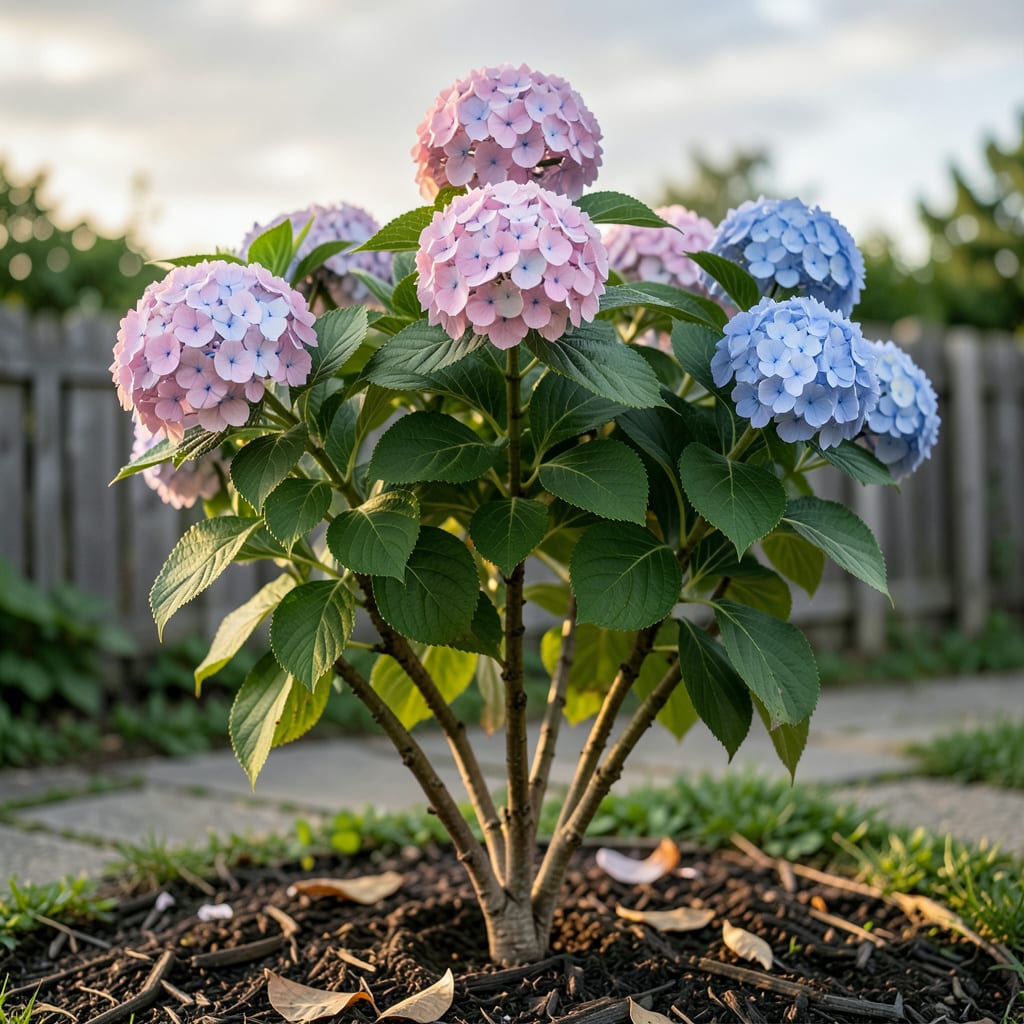
Slugs, Japanese beetles, deer, and sawfly larvae are the most common culprits chewing hydrangea leaves. Look for ragged edges, holes, or skeletonized foliage to identify the specific pest.
Your hydrangeas are essentially a buffet for garden invaders, each leaving behind distinct “dinner signs.” 🌿 Slugs glide across leaves, leaving silvery slime trails and irregular holes, while Japanese beetles methodically skeletonize foliage between veins. Deer damage is more dramatic—torn stems and jagged bites high up on the plant. Sawfly larvae, often mistaken for caterpillars, create windowpane-like damage by eating tissue between leaf veins.
What’s tricky is that these pests thrive in different conditions. Slugs love damp, shaded areas, while beetles attack in sunny, hot weather. I’ve found that checking plants at dawn or dusk—when many pests are most active—gives you the best chance to catch them in action and stop the damage early. ✨
💡 In This Article
Each pest leaves a unique “signature” on hydrangea leaves that reveals its identity. Slugs create irregular holes with smooth edges and leave behind a telltale silvery slime trail that glistens in morning light. Their damage often appears overnight since they feed primarily after dark when humidity is high.
Japanese beetles, on the other hand, work during daylight hours, meticulously chewing tissue between leaf veins to create a lacy, skeletonized appearance. 🌿
Sawfly larvae damage looks dramatically different—they eat tissue between veins while leaving the leaf’s outer layer intact, creating transparent “windows” in the foliage. These green caterpillar-like larvae (about ½ inch long) often curl up when disturbed.
Deer damage is unmistakable: they take large, ragged bites from leaves and stems, often leaving torn edges where they’ve pulled the foliage. Their browsing typically occurs at heights up to 6 feet—well above where most insects feed.
The timing of damage offers crucial clues. Slug activity peaks in spring and fall during wet weather, while Japanese beetles emerge in mid-summer (June-July) when temperatures reach 85°F+. Sawflies lay eggs in early spring, with larvae appearing 4-6 weeks later as new hydrangea growth emerges.
I’ve noticed deer pressure increases in early spring when other food sources are scarce, and again in fall as they prepare for winter.
Location matters too. Check the undersides of leaves for sawfly larvae and beetle eggs—they’re masters at hiding in plain sight. Slugs congregate in moist, shaded areas near the plant base, especially under mulch or debris.
Japanese beetles prefer plants in full sun and often start feeding at the top of the plant, working their way downward. Deer typically target the most tender new growth at the tips of branches.
Here’s what most gardeners miss: the life cycle stages. Japanese beetle grubs live in soil for 10 months before emerging as adults. Sawfly larvae drop to the ground to pupate in late summer, returning as adults to lay eggs the following spring.
Understanding these patterns lets you time interventions precisely—like applying beneficial nematodes for grubs in early fall or setting up beer traps for slugs in spring before they become a problem. ✨
Pro tip: Use a 10x magnifying glass to spot tiny eggs or early-stage larvae. Japanese beetle eggs look like tiny white spheres (1mm) in the soil, while sawfly eggs appear as small slits in leaf edges. Catching pests at these stages can prevent 90% of potential damage before it starts.
The difference between a thriving hydrangea and a chewed-up mess often comes down to this level of observation.
Look for irregular holes with smooth edges and a silvery slime trail that glistens in morning light. Slugs feed at night, so damage often appears overnight in damp conditions. Check under leaves and near the plant base for these slimy pests.
Shake them into soapy water early in the morning when they’re sluggish. For immediate control, spray a mix of 2 tablespoons neem oil and 1 teaspoon dish soap per gallon of water. Reapply every 5-7 days for best results.
Coffee grounds can deter slugs when sprinkled around plants, but they’re not effective against beetles or deer. For better results, combine with copper tape or beer traps. Replace grounds every 2 weeks or after heavy rain.
Deer can jump surprisingly high! Install fencing at least 8 feet tall for reliable protection. For temporary solutions, use 6-foot fencing angled outward at 45 degrees. Commercial repellents work too but need reapplication.
Yes! A simple 1:7 rubbing alcohol to water spray kills larvae on contact. Test on a small area first. For prevention, introduce beneficial insects like parasitic wasps or apply spinosad (organic bacteria-based spray) in early spring.
