
Beautiful Plants For Your Interior
Beautiful Plants For Your Interior
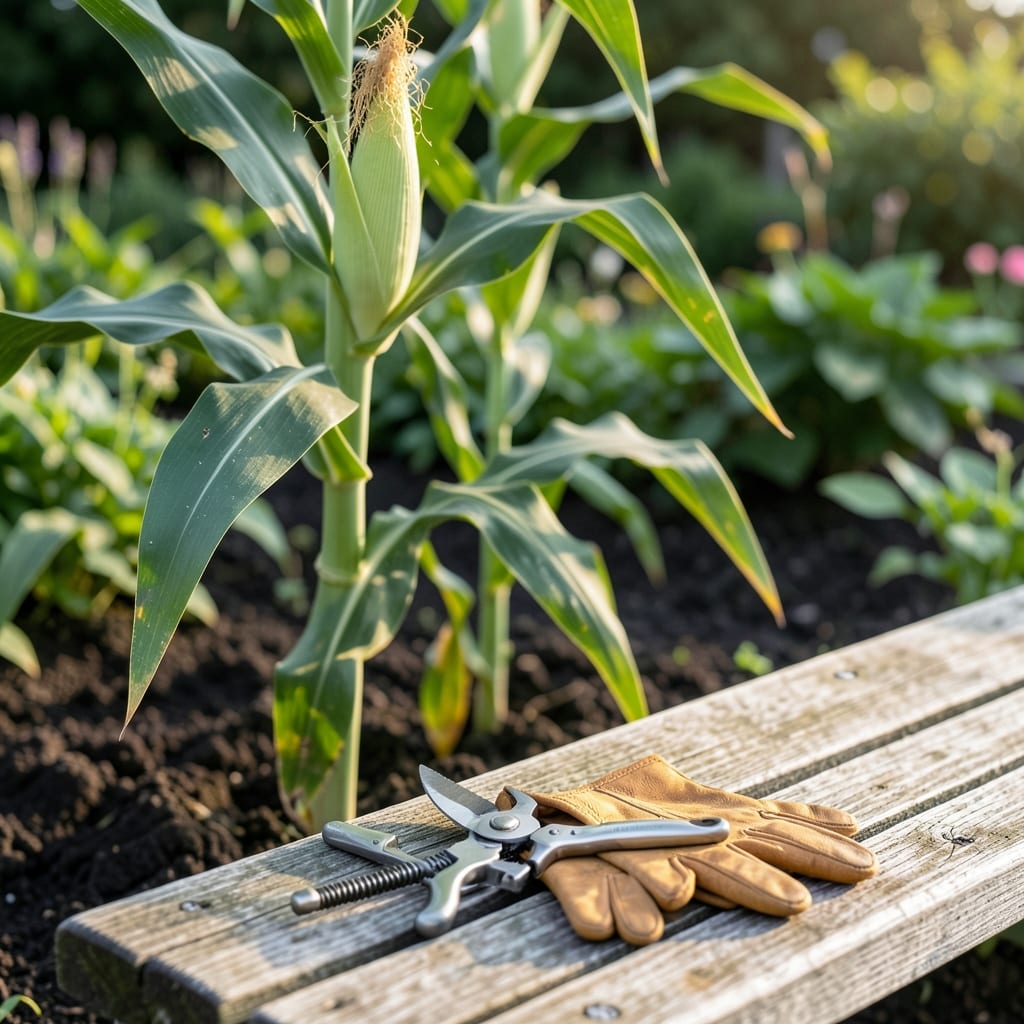
Detassling is the process of removing the pollen-producing tassels from corn plants to prevent self-pollination and ensure controlled cross-breeding for better seed quality.
This practice is crucial in hybrid seed production because it controls which plants pollinate others, creating more predictable and uniform crops. I’ve seen how removing these tassels by hand or machine prevents unwanted pollen spread in fields. This ensures each ear develops with the desired genetic traits, which is especially important for commercial farmers. 🔥
💡 In This Article
Hybrid corn development relies on precise genetic control. In nature, corn is wind-pollinated and can self-pollinate, which would create inconsistent offspring. Detassling eliminates this risk by removing the male flowers (tassels) from female rows, forcing them to accept pollen only from selected male plants.
This targeted cross-pollination ensures uniform hybrid vigor, disease resistance, and yield consistency across entire fields. 🔥
Commercial seed companies use detassling to maintain genetic purity. A single untouched tassel can release up to 25 million pollen grains, potentially contaminating an entire 1-acre field. The process typically occurs when tassels are 4-5 inches long but before pollen shed begins.
This timing window is critical—too early and you risk damaging the plant; too late and unwanted pollination may already have occurred. ⚡
What most people don’t realize is that detassling isn’t just about removing pollen sources. It’s also about resource allocation. Without tassels, the plant directs more energy toward ear and kernel development, often increasing yield by 15-25% in hybrid varieties.
This energy redirection is particularly noticeable in stress conditions like drought, where every bit of the plant’s resources counts. ✨
The science behind this involves selective breeding principles. By controlling which plants pollinate others, farmers can stack desirable traits like pest resistance, drought tolerance, and nutritional content. For example, a Bt corn hybrid might combine insect resistance from one parent with high-yield genetics from another—something impossible without detassling to prevent random pollination. 💫
In practice, this means fields are planted in a precise pattern: typically 4 female rows to 1 male row. The male rows (pollen sources) are left intact while workers or machines remove tassels from all female rows. This ratio ensures sufficient pollen distribution while maintaining genetic control.
Farmers remove tassels to prevent self-pollination and ensure controlled cross-breeding. This maintains genetic purity in hybrid seed production, resulting in uniform, high-quality crops with desirable traits.
Detassel when tassels are 4-5 inches long but before pollen shed begins. This window typically occurs 2-3 weeks after silking starts, usually in the morning when plants are less brittle.
Yes! For small gardens, grasp each tassel at its base and pull downward with a steady motion. Wear gloves to protect your hands from sharp leaves, and work carefully to avoid damaging the stalk.
Without detassling, corn may self-pollinate, leading to inconsistent offspring. A single untouched tassel can release up to 25 million pollen grains, risking genetic contamination across your entire crop.