
Beautiful Plants For Your Interior
Beautiful Plants For Your Interior
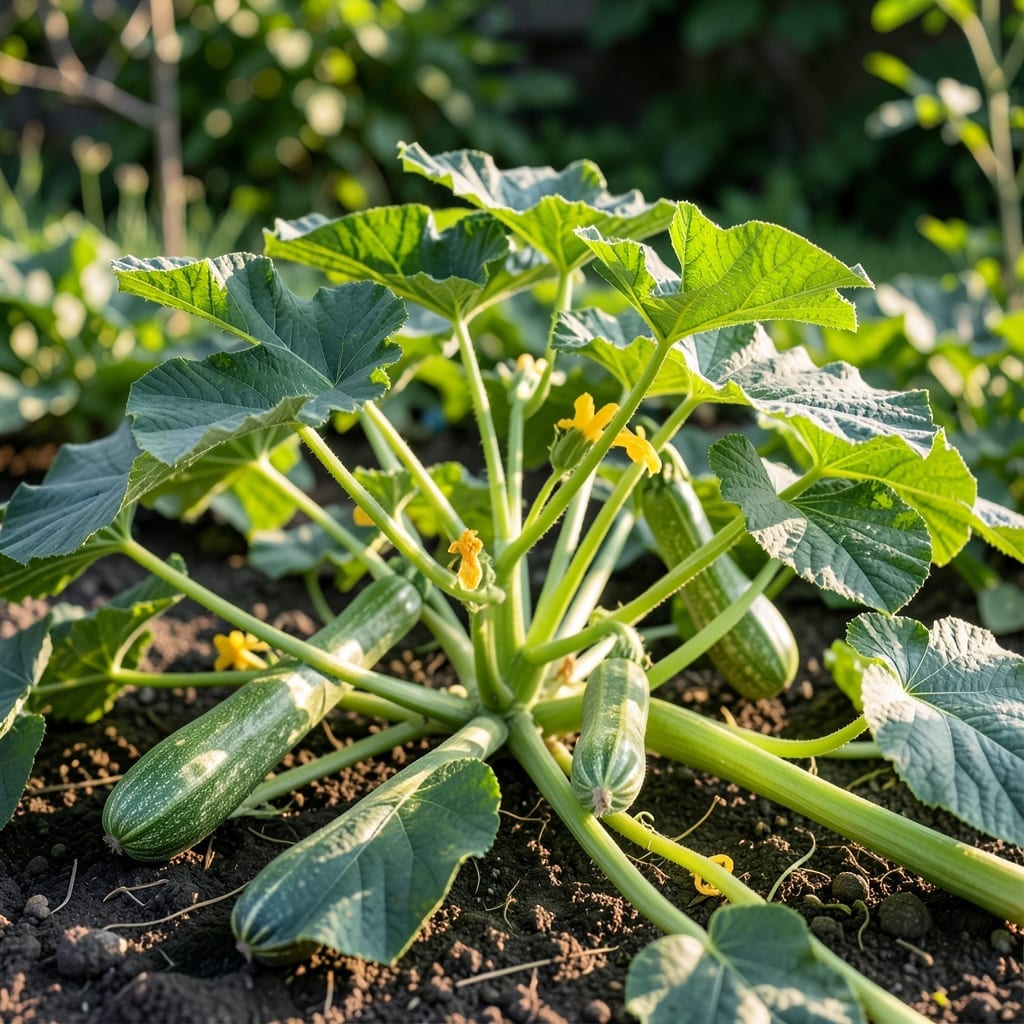
Cucuzza is a long, light green Italian squash similar to zucchini but milder in flavor, often used in soups, stews, and pasta dishes. It grows on vines and thrives in warm climates.
I love how this Italian heirloom brings a subtle sweetness to dishes that zucchini can’t quite match. 💫 The vining plants can stretch over 10 feet in ideal conditions, producing smooth, pale green fruits that sometimes twist into fascinating shapes. In my garden, I’ve found they do best with consistent moisture and well-draining soil, rewarding patience with a bountiful harvest.
💡 In This Article
This Italian heirloom belongs to the Cucurbita pepo species, the same family as zucchini and pumpkins. What sets it apart is its remarkably long vines, often reaching 12-15 feet under ideal conditions. The fruit itself can grow up to 3 feet in length, though it’s typically harvested at 12-18 inches for best texture. 🔥
The leaves are large, lobed, and slightly prickly—characteristic of squash plants. These leaves create a dense canopy that helps conserve soil moisture. The plant thrives in USDA zones 3-11, requiring a long growing season of at least 90-100 days from seed to harvest. It’s particularly well-suited to Mediterranean climates with hot days and cool nights.
✨
For optimal growth, cucuzza prefers well-draining soil enriched with compost, with a pH between 6.0-6.8. The vines need ample space to sprawl, or a sturdy trellis for vertical growing. Regular watering is crucial, especially during fruit set, with about 1-1.5 inches of water per week.
The plants are heavy feeders, benefiting from side-dressings of compost every 3-4 weeks. 💫
One fascinating aspect is its growth habit—the fruits often curve or twist as they develop, creating unique shapes. This happens because the vines grow in a circular pattern, and the fruits follow the sun.
The skin remains tender when young, becoming tougher as the squash matures, which is why it’s often harvested young for culinary use. 🌟
The plant’s flowers are edible and share the same mild flavor as the squash. Both male and female flowers appear on the same plant, with the female flowers having a small fruit at their base. Hand pollination may be necessary in areas with few pollinators to ensure good fruit set. ⚡
It has a milder, sweeter flavor and longer, paler green fruits. The vines grow much longer, often over 10 feet, and the squash can twist into unique shapes as it matures.
Keep unwashed squash in the refrigerator for up to 5 days. For longer storage, blanch slices for 2 minutes and freeze in airtight containers for up to 3 months.
Yes, when young and tender, it can be eaten raw in salads. The skin is thin and edible, offering a crisp texture similar to cucumber but with a milder taste.
This often happens from inconsistent watering or poor air circulation. Ensure 1-1.5 inches of water weekly and space plants 3-4 feet apart for proper airflow.