
Beautiful Plants For Your Interior
Beautiful Plants For Your Interior
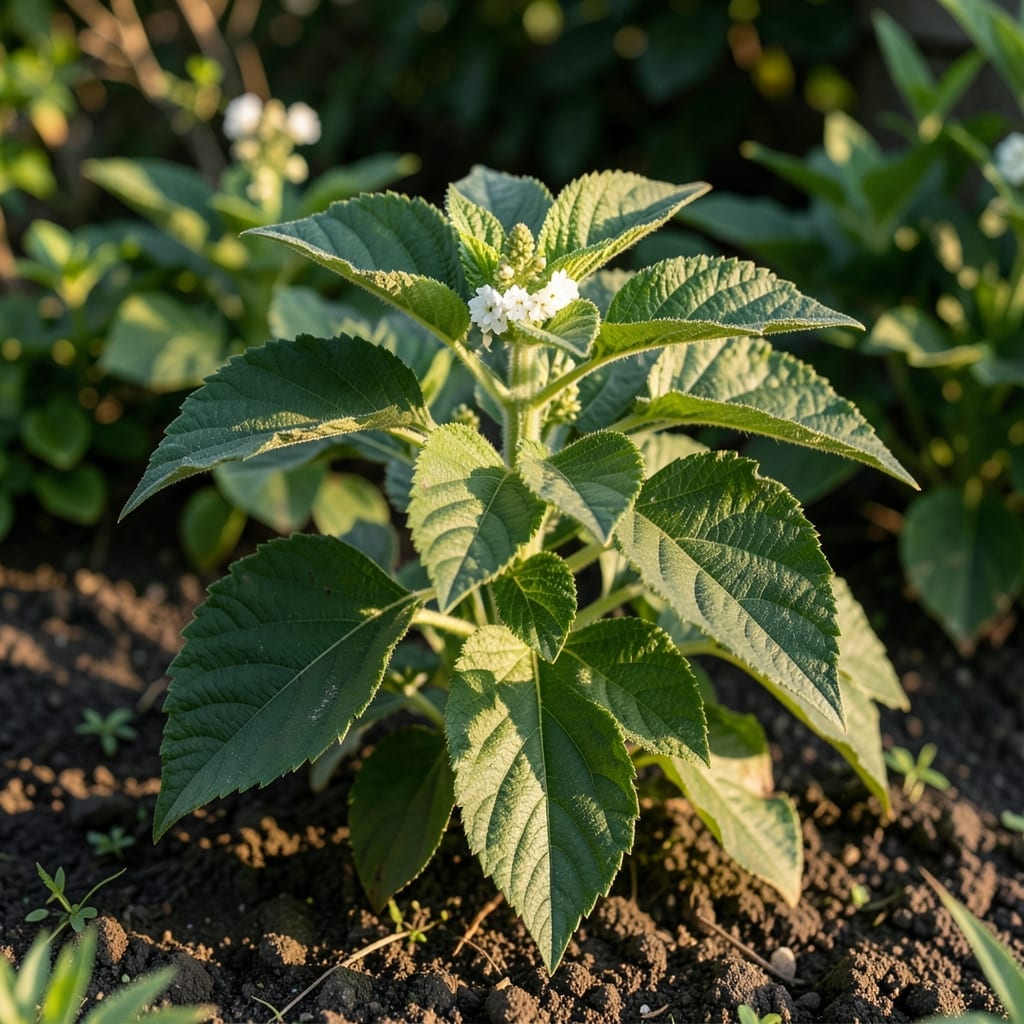
Chaya is a fast-growing leafy green shrub native to Mexico and Central America, prized for its highly nutritious leaves used in cooking and traditional medicine.
I’ve grown this plant in my own garden and can attest to its resilience and rapid growth, often reaching 6-8 feet in height. 🌟 Its leaves pack a powerful nutritional punch, offering more iron than spinach and a rich supply of vitamins that support immune health. Traditional communities have relied on it for centuries, both as a food source and for its medicinal properties.
💡 In This Article
Chaya leaves pack a remarkable nutritional profile that sets them apart from common greens. They contain 6-8% protein by dry weight—nearly double that of spinach. This plant is also exceptionally rich in vitamin A, providing 168% of the daily value per 100g, which supports vision and immune function. 🔥
The mineral content is equally impressive. Chaya delivers 223mg of calcium per 100g (more than kale) and 11.6mg of iron—crucial for blood health. It also contains vitamin C, which enhances iron absorption, making it an excellent choice for plant-based diets. The leaves are packed with antioxidants like quercetin and kaempferol.
What makes chaya unique is its balance of nutrients. Unlike spinach, which contains oxalates that can inhibit calcium absorption, chaya has a better calcium-to-oxalate ratio. This means your body can utilize more of its minerals. The high fiber content (2.5g per 100g) also supports digestive health without the bitterness of some other greens.
Comparatively, chaya outperforms many popular leafy vegetables. It has 3 times more calcium than spinach and 2 times more iron than kale. The protein quality is also notable, containing all essential amino acids, which is rare for plant sources. This nutritional density explains why it’s been a staple in traditional diets for centuries. ✨
For those monitoring their intake, chaya is low in calories (42 per 100g) but high in value. Its leaves can be cooked like spinach or dried and powdered for smoothies. The mild, slightly earthy flavor makes it versatile in both savory and sweet dishes, while its nutritional benefits remain consistent across preparation methods.
No, raw leaves contain cyanogenic glycosides that can be toxic. Always cook them thoroughly by boiling for at least 5 minutes to neutralize these compounds.
Chaya has a milder, slightly sweeter flavor than spinach with no bitterness. The texture is similar when cooked, making it an easy substitute in most recipes.
Yes, use a large pot with good drainage and place it in full sun. Dwarf varieties stay under 4 feet tall, perfect for patios. Water when the top inch of soil feels dry.
Blanch leaves for 2 minutes, then freeze in airtight bags for up to 6 months. Drying is another option—spread leaves in a single layer and dry at 140°F for 4-6 hours.
Allergies are rare but possible. If you’re sensitive to plants in the Euphorbiaceae family (like poinsettias), test a small amount first. Stop use if you notice itching or swelling.