
Beautiful Plants For Your Interior
Beautiful Plants For Your Interior
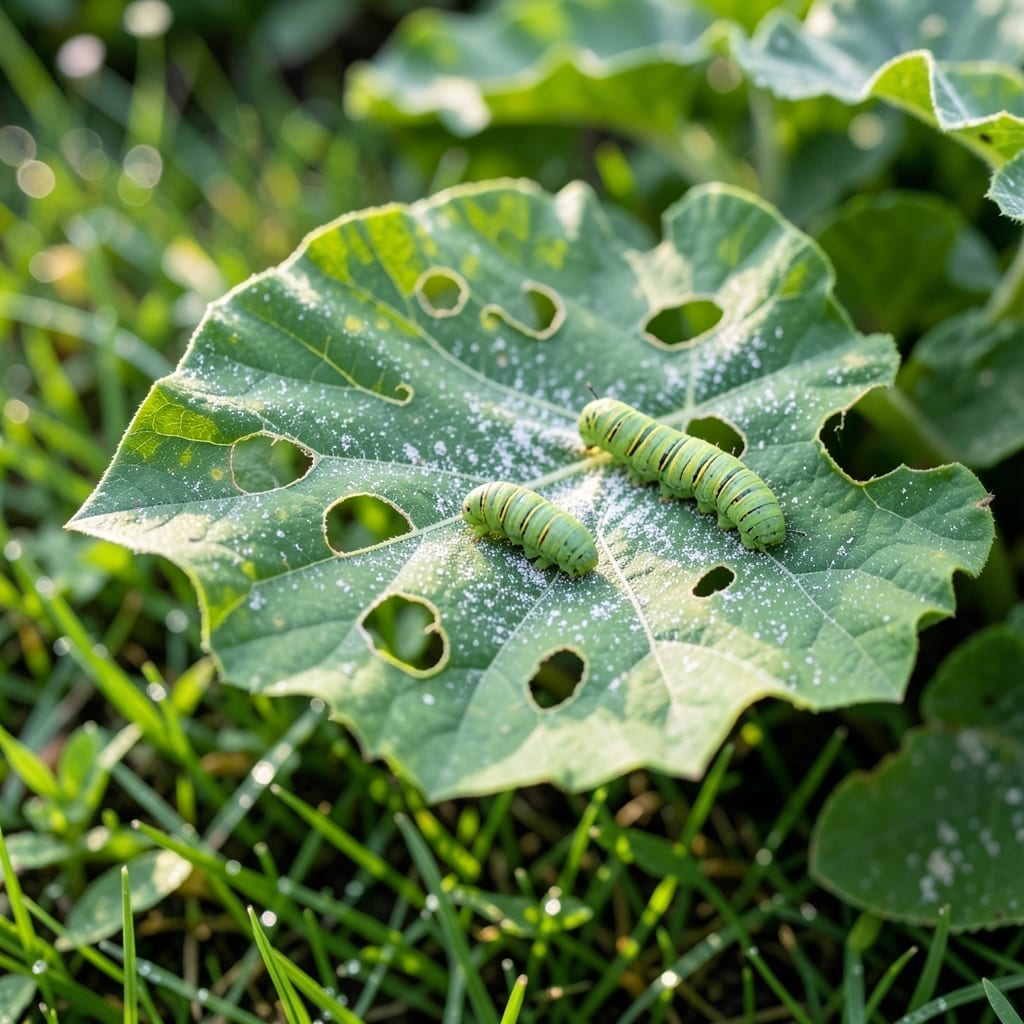
B.T. in gardening refers to Bacillus thuringiensis, a natural soil-dwelling bacterium used as an organic pesticide to control caterpillars and other pest larvae.
I’ve relied on this natural solution for years to combat tomato hornworms and cabbage loopers without harming beneficial insects like bees or ladybugs. 🌟 It works by producing proteins that target the digestive systems of specific larvae, making it a precision tool in organic gardening. What I love most is its safety—it breaks down quickly in sunlight and poses no risk to humans, pets, or plants.
💡 In This Article
The magic happens through crystal proteins called Cry toxins. When caterpillars or larvae ingest these proteins, they bind to specific receptors in their gut lining. This creates pores that disrupt cell function, leading to paralysis and death within 1-3 days. 🔥
What makes it special is its selectivity. These proteins only affect insects in the Lepidoptera (butterflies/moths), Coleoptera (beetles), and Diptera (flies) orders. Beneficial insects like bees, ladybugs, and lacewings remain completely unaffected. The bacterium itself doesn’t persist long in the environment—UV light breaks it down within 24-48 hours. ✨
From a chemical standpoint, B.t. kurstaki targets caterpillars while B.t. israelensis works on mosquito and black fly larvae. Each strain produces different Cry proteins tailored to specific pests. This precision explains why it’s a cornerstone of integrated pest management programs worldwide. 💫
Safety extends beyond insects. The proteins are harmless to humans, pets, and plants because we lack the specific gut receptors they target. In fact, organic farmers have used it for decades, and it’s approved for use in organic agriculture by the USDA. 🌟
In my garden, I’ve seen it stop cabbage worm infestations dead in their tracks. The larvae stop feeding almost immediately after ingestion, though full effects take a few days. This gives you a window to see it working while protecting your crops. ⚡
Yes, it’s USDA-approved for organic use. The bacterium occurs naturally in soil and doesn’t harm plants, humans, or beneficial insects like bees.
Larvae stop feeding within hours, with full effects visible in 1-3 days. UV light breaks it down within 24-48 hours, so reapply after rain.
It’s safe for all edible plants, but always test on a small area first. Works best on leafy greens and brassicas against caterpillars.
Early morning or late evening when pests are active. Apply at first sign of damage or eggs for best results.
It targets caterpillars, which includes butterfly larvae. Use selectively and only when necessary to protect beneficial species.