
Beautiful Plants For Your Interior
Beautiful Plants For Your Interior
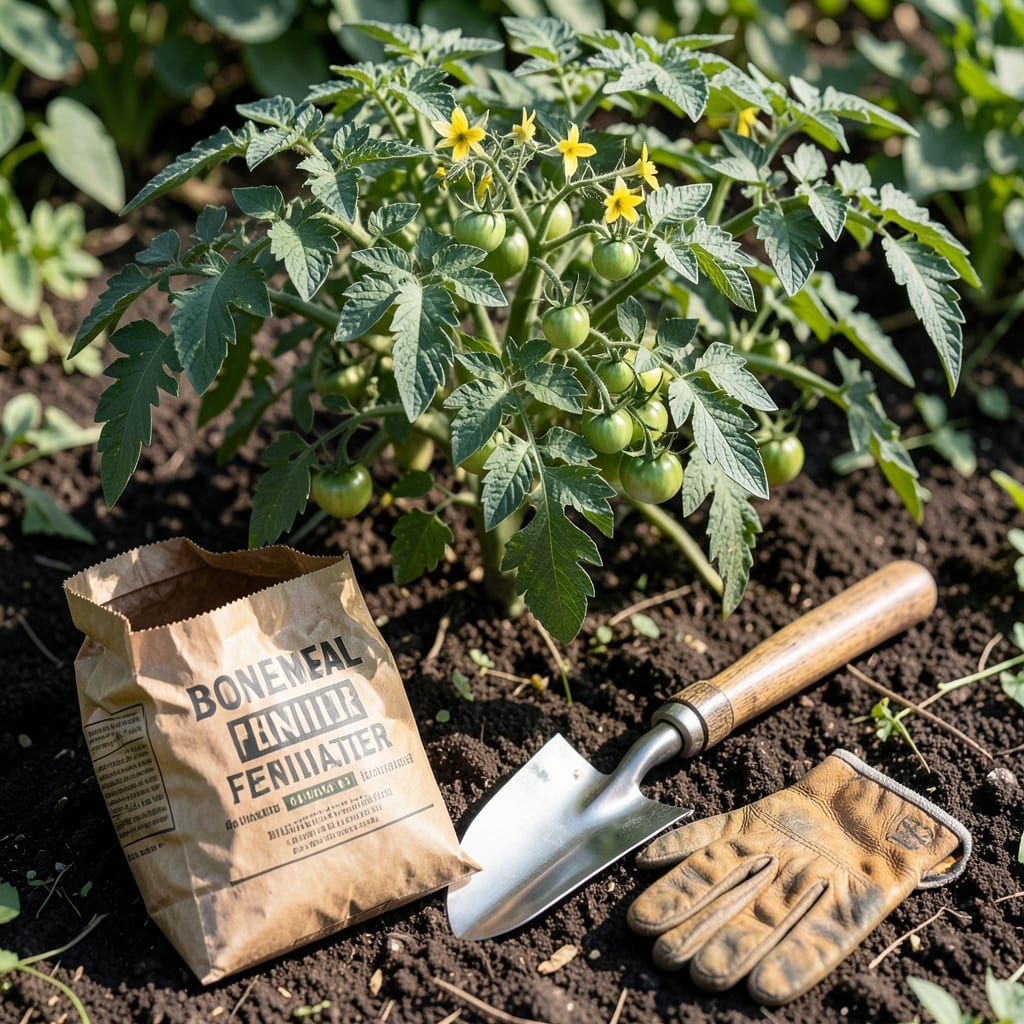
Bonemeal is a slow-release organic fertilizer made from ground animal bones, rich in phosphorus to promote strong root development and vibrant flowering in plants.
I love using this in my garden because it gives plants a steady phosphorus boost without the risk of chemical burn. It’s especially effective for bulbs, root crops, and flowering plants that need that extra push during growth. What’s great is how it breaks down gradually, feeding the soil over time rather than all at once. 💫
💡 In This Article
The magic of bonemeal lies in its phosphorus content, typically 15-20% by weight. This essential nutrient is locked inside the bone structure as calcium phosphate. When applied to soil, microorganisms gradually break down the bones through a process called mineralization, releasing phosphorus in a plant-available form.
This slow breakdown is what makes it a gentle, long-lasting fertilizer. 🌟
Phosphorus plays a crucial role in energy transfer within plants, particularly during root development and flowering. It helps form ATP (adenosine triphosphate), the molecule that stores and transports energy in cells. Without adequate phosphorus, plants struggle to develop strong root systems or produce abundant blooms, often showing purple stems or leaves as a deficiency sign.
Soil pH dramatically affects phosphorus availability from bonemeal. In acidic soils (pH 5.5-6.5), phosphorus remains more soluble and accessible to plants. However, in alkaline soils (pH >strong>7.5), it can become chemically bound to calcium and iron, reducing its effectiveness. This is why many gardeners test their soil before application. ✨
What sets bonemeal apart from synthetic fertilizers is its organic nature. The phosphorus is released over 2-6 months, depending on soil temperature and moisture. This gradual release prevents nutrient runoff that can pollute waterways, making it an environmentally friendly choice. The bone particles also improve soil structure as they decompose.
For best results, incorporate bonemeal into the top 6-8 inches of soil before planting. This placement ensures the phosphorus is where developing roots can access it most effectively. The granular form allows for even distribution, while the fine powder version works well for container plants or when mixing into potting soil. 💫
Apply once or twice per growing season. Early spring and fall are ideal. Overuse can lead to phosphorus buildup, which harms plants and the environment. Stick to 1-2 tablespoons per plant for best results.
Yes, it’s organic and safe for vegetables, fruits, and herbs. Many gardeners use it for tomatoes, peppers, and root crops. Just follow application guidelines and wash produce before eating.
It pairs well with compost or nitrogen-rich fertilizers like blood meal. Avoid mixing with lime, as high pH can reduce phosphorus availability. Always water after application.
Expect to see results in 4-6 weeks. The slow-release nature means it feeds plants gradually. For quicker results, use it in warm, moist soil where microorganisms are active.