
Beautiful Plants For Your Interior
Beautiful Plants For Your Interior
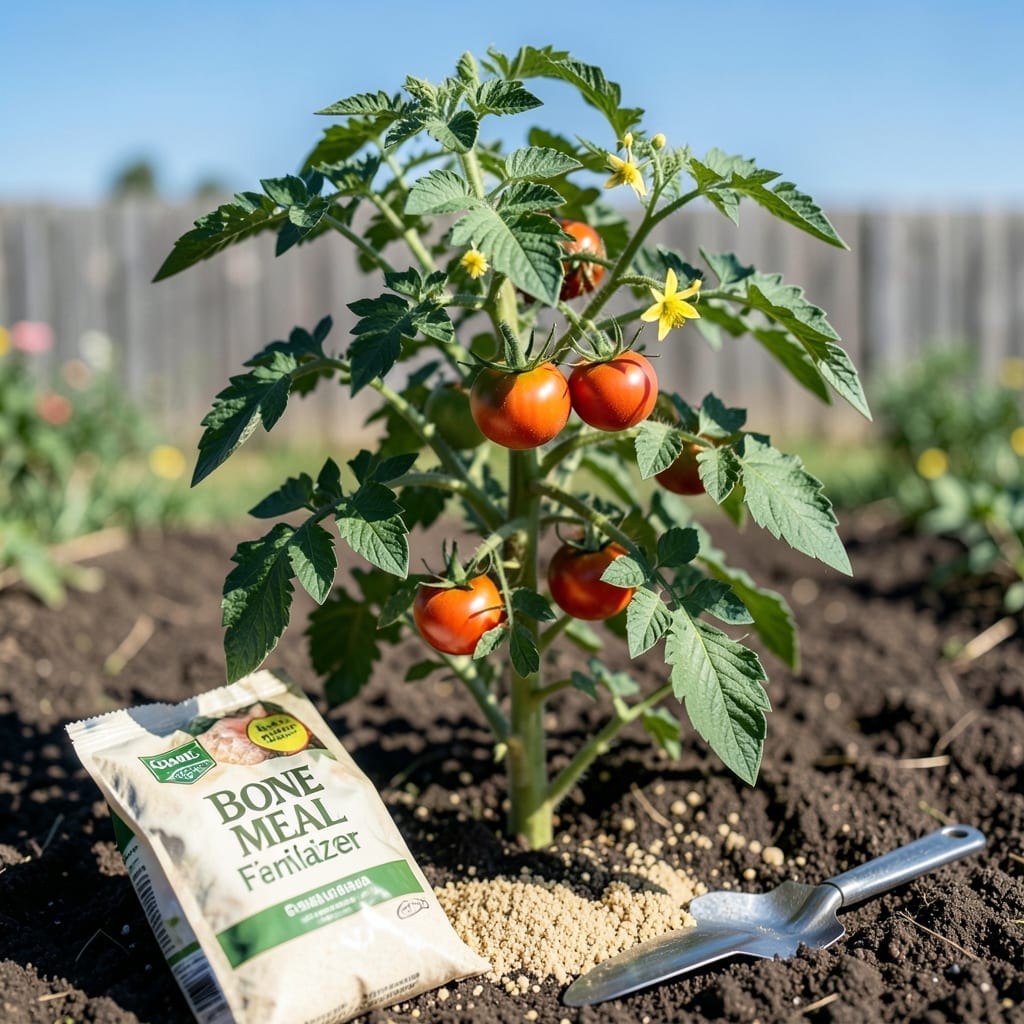
Bone meal is a slow-release organic fertilizer made from ground animal bones, rich in phosphorus which promotes strong root development and vibrant blooms in plants.
I’ve used this in my garden to give root crops and flowering plants a serious boost, especially in phosphorus-deficient soil. 🔥 It breaks down gradually, feeding plants for months rather than days, which means less frequent applications. The natural phosphorus content works wonders for bulbs, perennials, and vegetables like tomatoes and peppers that demand extra nutrients during growth.
💡 In This Article
The magic starts when soil microbes and acids break down the ground bones into soluble phosphates. This natural decomposition releases phosphorus gradually, typically over 2-4 months, feeding plants at a steady pace that prevents nutrient burn. The phosphorus bonds with soil particles, creating a reserve that roots can access as needed. ✨
What most people don’t realize is that bone meal’s effectiveness depends on soil pH. In acidic conditions (pH 7.0), the phosphorus becomes more available, while alkaline soils may require additional amendments. The ideal range falls between 6.0-7.5, where microbial activity peaks and nutrient uptake is optimal. 🌟
This slow-release mechanism is particularly beneficial for root development. The phosphorus stimulates cellular division in root tips, leading to more extensive root systems. For example, tomatoes grown with bone meal often develop 30-40% larger root masses compared to those without, which translates to better water and nutrient absorption. 💫
Beyond immediate plant benefits, bone meal contributes to long-term soil health. The organic matter improves soil structure, enhancing aeration and water retention. Over time, it helps build a thriving microbial ecosystem that continues to break down nutrients for future plantings. This creates a virtuous cycle of fertility that lasts for seasons. ⚡
Unlike synthetic fertilizers that deliver quick but short-lived nutrients, bone meal’s organic composition means it won’t leach away with rain or irrigation. This makes it especially valuable in sandy soils where nutrients tend to wash through quickly. The phosphorus remains in the root zone where plants can utilize it most effectively. 🔥
It begins breaking down within 2-4 weeks but fully releases nutrients over 2-4 months. The slow release prevents nutrient burn while steadily feeding plants.
Root crops, bulbs, and flowering plants love it. Try it with tomatoes, peppers, roses, or daffodils for stronger roots and brighter blooms.
Yes, it’s a natural, organic product made from animal bones. It’s approved for organic gardening and won’t harm beneficial soil microbes.
Mix 1 tablespoon per gallon of potting soil. Container plants may need reapplication every 4-6 weeks during growth.
Overuse can lead to phosphorus buildup in soil, potentially harming plants. Stick to recommended amounts: 1-2 tablespoons per plant at planting.