
Beautiful Plants For Your Interior
Beautiful Plants For Your Interior
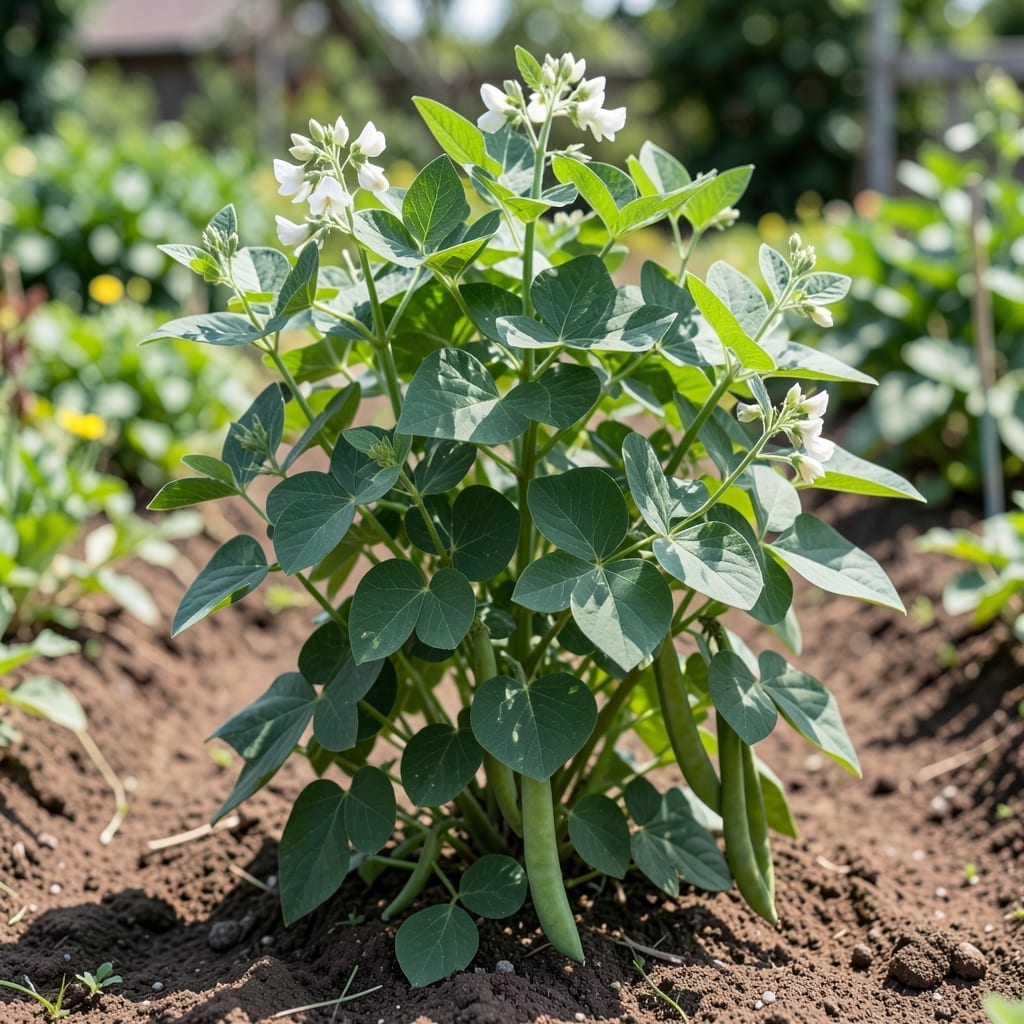
Beanstalk refers to a fast-growing vine that produces beans, commonly used in gardening for its edible pods. It can also describe tall, climbing plants that require support structures like trellises.
I love how these plants can shoot up several inches in just a day under the right conditions. 🌟 This rapid growth comes from their natural tendency to twine around anything they touch, which is why gardeners often use poles or nets. What’s fascinating is their ability to thrive in small spaces, making them perfect for vertical gardening setups. They also improve soil health by fixing nitrogen, which benefits other nearby plants.
💡 In This Article
Beanstalk plants exhibit indeterminate growth, meaning they continue elongating until environmental conditions or their natural lifespan stop them. This is driven by apical meristems—specialized tissue at the tips of shoots that produce new cells rapidly, often adding 2-4 inches per day in ideal conditions. 🌟
The climbing mechanism is purely physical. Tiny tendrils wrap around supports through thigmotropism—a growth response to touch. When a tendril contacts a pole or trellis, the side in contact grows slower than the opposite side, causing the tendril to coil tightly. This allows vines to ascend 6-10 feet or more during a single growing season.
What fuels this rapid ascent is efficient photosynthesis. The large, compound leaves (typically with 3 leaflets) maximize sunlight capture. Combined with their ability to fix atmospheric nitrogen via root nodules, beanstalks create their own fertilizer. This symbiotic relationship with Rhizobium bacteria means they thrive in poor soils where other crops might struggle. ⚡
The stems themselves are surprisingly strong yet flexible. They contain collenchyma cells—elongated cells with unevenly thickened walls that provide structural support without rigidity. This allows the vine to sway in wind without snapping while maintaining upward growth. The stems also develop tiny hairs that increase surface area for water absorption.
From seed to harvest takes approximately 50-60 days for bush varieties, while pole beans may take 60-70 days but produce continuously. The pods develop from self-pollinating flowers, with each plant potentially yielding 4-6 pounds of beans when properly supported and cared for. ✨
With proper support, pole varieties can climb 6-10 feet or more in a single season. Bush types stay compact at 1-2 feet. The sky’s the limit with strong trellises!
No, bush beans grow upright without support. Pole and runner beans require trellises or poles to climb. Supporting vines saves space and makes harvesting easier.
Under ideal conditions, they can add 2-4 inches per day. You might see visible growth overnight! This rapid ascent comes from their efficient cell production.
Yes! Use pots at least 12 inches deep with sturdy supports. Dwarf varieties work best. Ensure good drainage and consistent moisture for best results.