
Beautiful Plants For Your Interior
Beautiful Plants For Your Interior
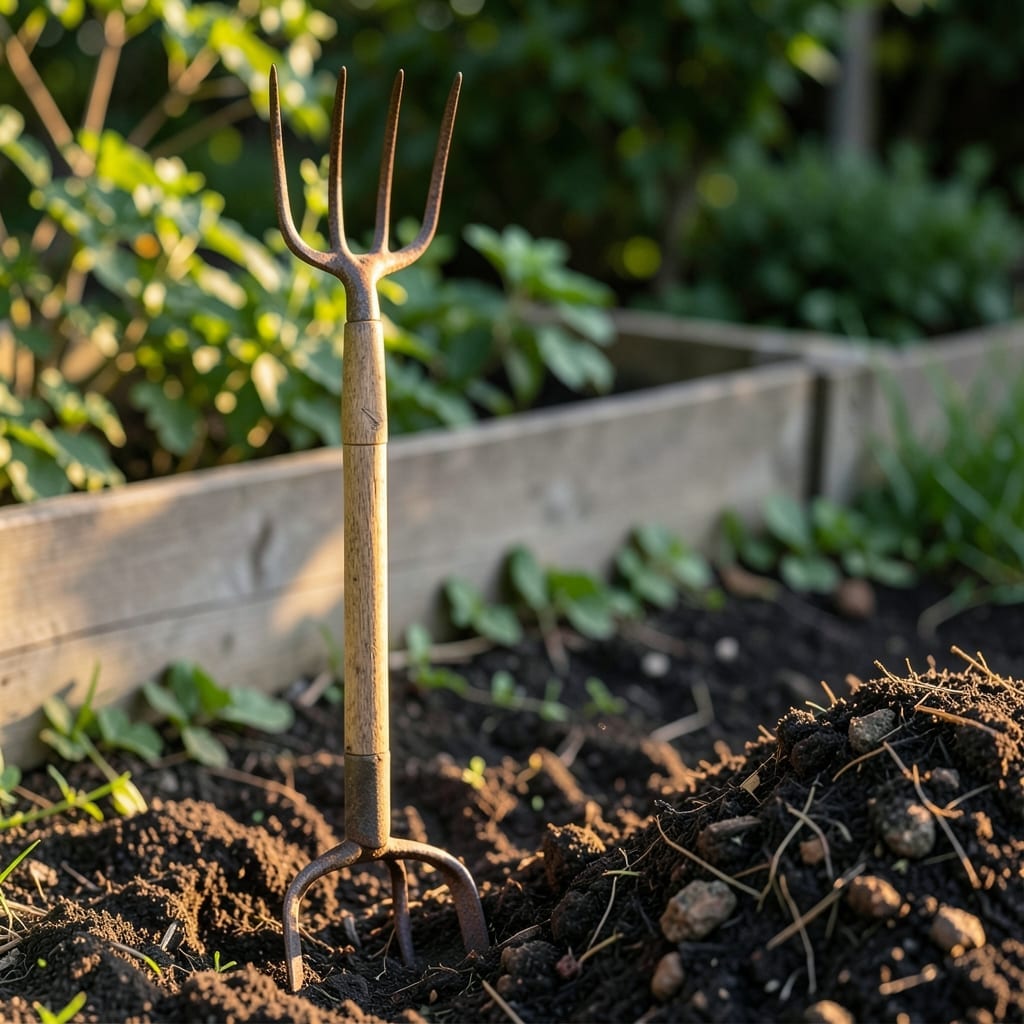
A pitchfork is a long-handled gardening tool with sturdy tines, used for lifting, turning, or pitching hay, compost, and loose soil in agricultural and landscaping tasks.
I love how this tool handles heavy materials like straw or manure without bending, thanks to its reinforced steel tines and ergonomic long handle. It’s a game-changer for turning compost piles or aerating garden beds, tasks that would be backbreaking with a shovel. 🔥
In my experience, the right pitchfork can cut labor time in half while preventing soil compaction that often happens with other tools.
💡 In This Article
The engineering behind a pitchfork starts with its tines. These are typically forged from high-carbon steel for durability, with a slight curve or taper to pierce dense materials like compacted soil or heavy mulch. The number of tines varies—3-4 tines for heavy-duty tasks like manure, while 5-6 tines work better for lighter materials like hay.
🔥
Handle length is another critical factor. A standard pitchfork features a 48-60 inch wooden or fiberglass handle, designed to reduce back strain by allowing you to stand upright while working. This ergonomic design distributes force more evenly than shorter tools, making it ideal for turning compost piles that can weigh 50-100 lbs per cubic foot.
✨
The angle of the tines matters too. Pitchforks for hay often have tines bent slightly forward to scoop and lift, while those for soil have straighter tines to penetrate without resistance. This design difference explains why a hay fork struggles with rocky soil, and vice versa.
The tine spacing—typically 2-4 inches apart—prevents clogging while allowing fine materials to sift through. 💫
Material choice affects both performance and longevity. Wooden handles absorb shock better than metal but require maintenance, while fiberglass handles resist weathering but can be less comfortable. The tine’s thickness (usually 0.25-0.375 inches) balances strength with weight, as thicker tines add durability but increase the tool’s overall heft. 🌟
What many gardeners overlook is the socket connection where tines meet handle. A well-designed pitchfork uses a forged socket that wraps around the handle, distributing stress during heavy lifting. This prevents the common failure point where cheap pitchforks snap under pressure. The socket’s angle also affects how the tool sits in your hands during use.
⚡
Most have high-carbon steel tines for durability. Handles are usually wood (absorbs shock) or fiberglass (weather-resistant). The socket connecting tines to handle is often forged for strength.
For heavy materials like manure, pick 3-4 tines. For lighter tasks like hay, 5-6 tines work best. Fewer tines handle heavier loads, while more tines are better for lifting.
Yes, but choose one with straighter, thicker tines. Avoid hay forks (curved tines) as they struggle with rocks. Always check for hidden rocks to prevent tine damage.
A 48-60 inch handle is standard. This length lets you stand upright, reducing back strain during heavy tasks like turning compost.