
Beautiful Plants For Your Interior
Beautiful Plants For Your Interior
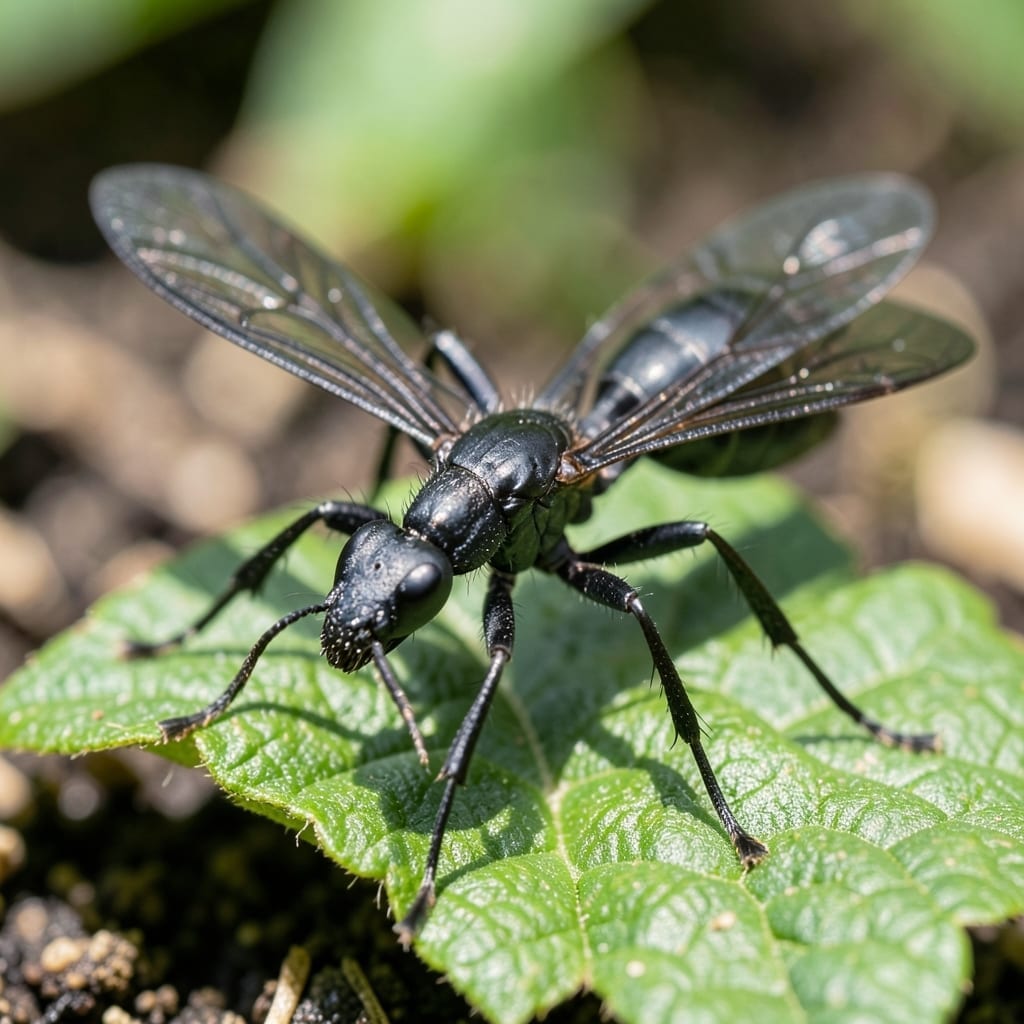
Spotted a black ant with wings in your home? I did too last summer, and it turned out to be a flying carpenter ant—not your typical picnic pest. These winged invaders are actually reproductive ants looking to start new colonies.
Unlike regular ants, flying carpenter ants are larger, with a shiny black body and two sets of wings. They often appear near damp wood, signaling potential structural damage. Mine emerged after heavy spring rains, swarming around my porch light.
Don’t panic—they don’t bite like fire ants, but they do indicate a larger colony nearby. The workers (wingless) are the real troublemakers, chewing through wood to build nests. I found the nest in an old tree stump 20 feet from my house.
Identifying them early saves headaches. Here’s how to spot the difference and know when to call in the pros.
Winged black ants, often spotted as flying carpenter ants, emerge for specific biological and environmental reasons. These winged forms, called alates, are not a separate species but a reproductive stage of certain ant colonies. Below are the primary causes behind their appearance.
Most winged black ants appear during nuptial flights, a mating ritual typically triggered by warm, humid weather in spring or summer. Male and female alates take flight to mate mid-air, after which males die, and fertilized females shed their wings to become queens and establish new colonies. This is the most common reason you’ll see them swarming near windows or lights.
When a carpenter ant colony matures (usually after 2–3 years), it produces alates to expand its territory. Overcrowding or resource scarcity in the original nest can accelerate this process. If you notice winged ants indoors, it often signals a mature, hidden infestation nearby—check damp wood, basements, or wall voids.
Unusual weather patterns, like prolonged rain or sudden temperature shifts, can force colonies to release alates prematurely. Flooding or structural disturbances (e.g., construction) may also prompt an early exodus. These ants are seeking safer conditions to ensure their survival.
Unlike termites, which swarm to start new colonies, winged carpenter ants often indicate an existing nest is already thriving nearby. If you see them indoors, act fast: their presence suggests structural wood may be compromised by tunneling.
Dealing with winged black ants, often carpenter ants, requires quick and targeted action. Below are practical solutions based on the cause, along with prevention tips to keep them from returning.
If you spot winged ants indoors, they’re likely nesting nearby. Inspect damp or wooden areas like basements, attics, or under sinks. Use a dust or foam insecticide labeled for carpenter ants to treat the nest directly. For a non-chemical approach, vacuum up visible ants and dispose of the bag immediately.
Outdoor nests often thrive near moisture or decaying wood. Trim tree branches touching your home and replace rotting wood in decks or fences. Apply boric acid baits near trails—ants carry the poison back to the colony. Seal cracks in your foundation to block entry points.
During spring or summer, winged ants swarm to mate. Install fine mesh screens on windows and doors. Use outdoor insecticide sprays around entry points. Keep food sealed and clean up spills promptly to avoid attracting them.
Prevention Tips:
By tackling the root cause and staying proactive, you can keep your home ant-free!
They don’t bite aggressively like fire ants, but carpenter ants can damage wood structures over time. The winged ones are reproducers, not the wood-chewing workers, but their presence signals a nest nearby.
Carpenter ants have a narrow waist, bent antennae, and two wing pairs of unequal length. Termites have a thick waist, straight antennae, and equal-length wings. This distinction is key for proper treatment.
Yes, fertilized females shed their wings to become queens and start new colonies. Males die shortly after mating, so wingless females near wood may indicate a new infestation.
They’re attracted to light sources during nuptial flights, especially in spring or summer. Swarming at dusk is common as they seek mates and new nesting sites.