
Beautiful Plants For Your Interior
Beautiful Plants For Your Interior
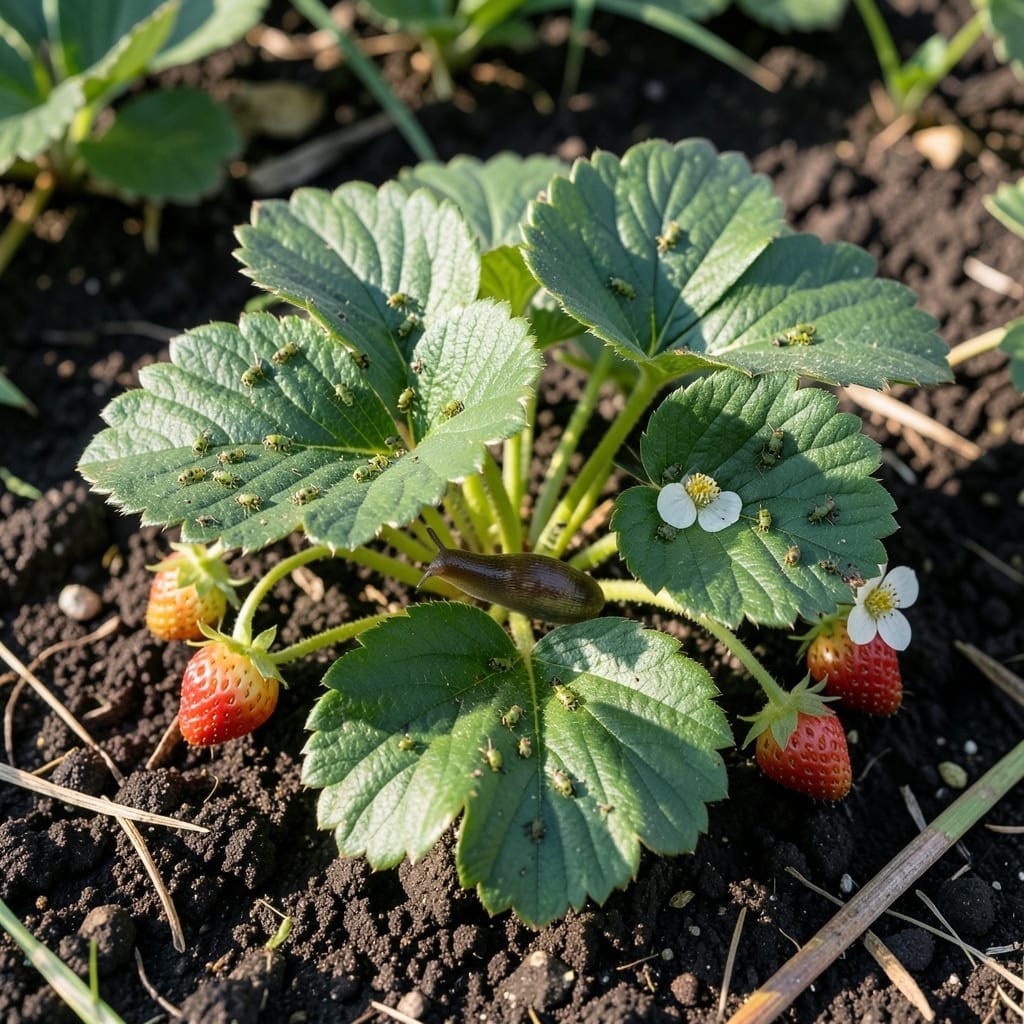
I found holes in my strawberry leaves last season and panicked. Turns out, 3 common culprits are usually to blame: slugs, snails, and Japanese beetles.
Each leaves a different signature. Slugs and snails create ragged edges overnight, while beetles skeletonize leaves during the day. The good news? You can spot the difference with a quick morning inspection.
These pests aren’t just destructive—they’re also a sign your garden is thriving. Strawberries attract beneficial insects too, and the ecosystem balances out when you know what to look for.
Prevention starts with simple barriers and natural predators. We’ll cover the exact tactics that work without harming your plants or the environment.
Strawberry leaves are a target for various creatures due to their tender texture and nutrient-rich composition. Here’s why it happens, broken down by the most common culprits:
These slow-moving pests are drawn to the moisture and softness of strawberry leaves, especially in damp conditions. They rasp away at the foliage with their radula (a tongue-like organ), leaving irregular holes and silvery slime trails. Action: Use beer traps or diatomaceous earth to deter them.
Japanese beetles, sawfly larvae, and strawberry root weevils feed on leaves, often skeletoning them or creating notched edges. Caterpillars (e.g., cutworms) may chew large chunks overnight. Action: Handpick pests or apply neem oil for organic control.
Rabbits, deer, and even squirrels may nibble strawberry leaves for their high fiber and vitamin content. Look for clean cuts or jagged tears. Action: Install fencing or use repellents like hot pepper spray.
While not “eating” in the traditional sense, pathogens like Phomopsis or powdery mildew can cause leaf discoloration and decay, mimicking pest damage. Action: Improve airflow and apply fungicides preventatively.
Identifying the cause helps you tailor your response—whether it’s physical barriers, natural predators, or cultural adjustments.
Strawberry leaves are a target for various pests, but you can keep your plants safe with these targeted solutions. Here’s how to address each common culprit and prevent future damage.
Fix: Set up beer traps or use iron phosphate baits around the garden. These are non-toxic and highly effective. Handpick slugs at dusk or dawn when they’re most active.
Prevention: Remove hiding spots like debris or mulch near plants. Copper tape around garden beds can also deter these slimy pests.
Fix: Manually remove caterpillars and drop them into soapy water. For beetles, use neem oil or insecticidal soap sprays, applying in the early morning or late evening for best results.
Prevention: Encourage natural predators like birds and ladybugs by planting companion flowers such as marigolds or alyssum. Row covers can also block adult beetles from laying eggs.
Fix: Blast them off leaves with a strong water spray or apply horticultural oil. Repeat every 3–5 days until the infestation clears.
Prevention: Keep plants well-watered, as spider mites thrive in dry conditions. Regularly mist leaves to increase humidity and deter them.
Fix: Install chicken wire fences or use commercial repellents with strong scents (like garlic or hot pepper). For deer, tall fencing (at least 8 feet) is most reliable.
Prevention: Plant deer-resistant species like lavender or rosemary near strawberries. Motion-activated sprinklers can also startle animals away.
💡 Pro Tip: Rotate your methods to prevent pests from developing resistance. Healthy soil and proper spacing also reduce stress on plants, making them less vulnerable to attacks!
Yes, strawberry leaves are non-toxic and safe for rabbits. They’re actually a healthy treat packed with fiber and vitamins. Just introduce them slowly to avoid digestive upset.
Look for skeletonized leaves with only veins remaining. Japanese beetles often feed during the day, leaving behind a lacy pattern as they devour the soft tissue.
Create a barrier with copper tape around planters or use iron phosphate baits. Both are pet-safe and highly effective at deterring slugs and snails.
Deer can strip plants overnight, especially young ones. Install 8-foot fencing or use repellents with strong scents to protect your crop.