
Beautiful Plants For Your Interior
Beautiful Plants For Your Interior
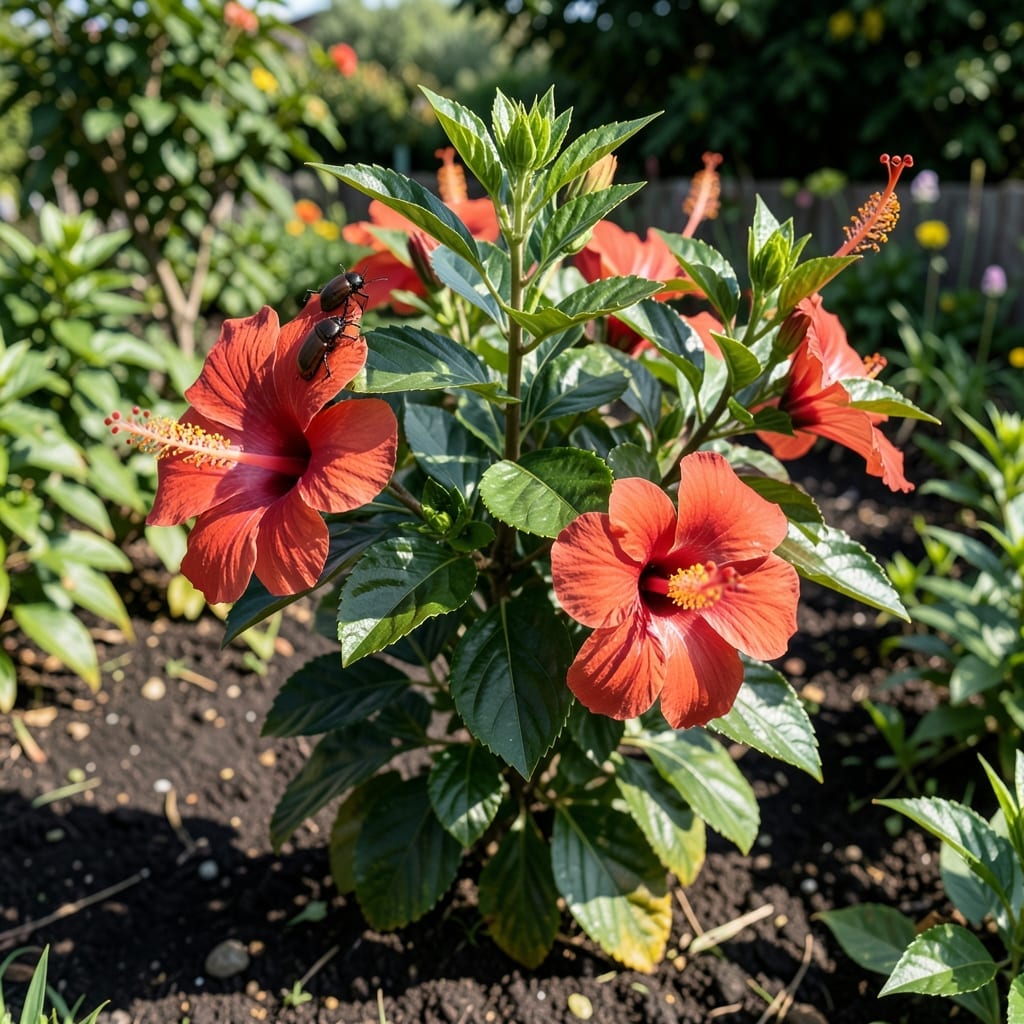
My hibiscus looked perfect yesterday. Today, half the leaves are gone. 🌿 Turns out, I’m not the only one who thinks these plants are delicious—deer, rabbits, and Japanese beetles all love a good hibiscus buffet.
Here’s the thing—hibiscus leaves and flowers attract a surprising variety of hungry visitors. Caterpillars munch on foliage, aphids cluster on new growth, and even tortoises have been caught red-handed (or red-shelled) with my plants.
You’ll spot the damage fast: ragged leaf edges, skeletonized foliage, or entire blooms disappearing overnight. The good news? Most of these pests leave clear calling cards, making them easier to identify and stop.
Stopping them starts with knowing who’s visiting. Once you identify the culprit, you can choose the right defense—whether that’s fencing, natural sprays, or hand-picking the offenders.
Hibiscus plants are a favorite snack for many pests due to their tender leaves, vibrant flowers, and nutrient-rich sap. 🌿 Below are the primary reasons why your hibiscus might be getting devoured.
Hibiscus leaves are soft and packed with moisture, making them an easy target for herbivores like deer, rabbits, and groundhogs. These animals are drawn to the plant’s high water content and palatable foliage, especially during dry spells when other food sources are scarce.
Insects such as aphids, Japanese beetles, and sawfly larvae thrive on hibiscus. Aphids feed on sap, weakening the plant, while Japanese beetles skeletonize leaves. Sawfly larvae, often mistaken for caterpillars, consume entire leaves overnight. Their rapid reproduction cycles exacerbate the damage.
Over-fertilized hibiscus plants, especially those with high nitrogen content, produce lush, tender growth that pests find irresistible. While healthy soil is beneficial, excessive nutrients can create a buffet for insects and animals.
Stressed hibiscus plants—due to drought, poor drainage, or extreme temperatures—become more vulnerable to pests. Weakened plants emit distress signals that attract predators, making them an easy meal for opportunistic feeders.
Dealing with hibiscus pests doesn’t have to be a battle. Here’s how to tackle the most common culprits and keep your plants thriving with simple, actionable fixes.
These tiny green or black insects cluster on new growth and undersides of leaves, sucking out plant juices. Fix: Blast them off with a strong stream of water early in the day. For stubborn infestations, spray with neem oil or insecticidal soap, focusing on the undersides of leaves. Repeat every 5–7 days until they’re gone.
Prevention tip: 💡 Encourage natural predators like ladybugs by planting companion flowers such as marigolds or alyssum nearby.
These microscopic pests cause yellow or bronze speckling on leaves and fine webbing. Fix: Increase humidity around the plant by misting it regularly, as spider mites thrive in dry conditions. Use a miticide or a mix of water and dish soap (1 tsp per gallon) to spray leaves thoroughly. Wipe leaves with a damp cloth to remove webs and eggs.
Prevention tip: 🌡️ Keep your hibiscus well-watered and avoid placing it in hot, dry spots.
These small, white flying insects congregate on the undersides of leaves, causing yellowing and sticky honeydew. Fix: Set up yellow sticky traps to catch adults. Spray the plant with insecticidal soap or neem oil, ensuring full coverage. For severe cases, introduce parasitic wasps, a natural predator.
Prevention tip: ✨ Inspect new plants before bringing them near your hibiscus to avoid contamination.
These slow-moving pests chew irregular holes in leaves and flowers, often at night. Fix: Set up beer traps (bury a shallow container filled with beer at soil level) or sprinkle diatomaceous earth around the base of the plant. Handpick them off in the evening when they’re most active.
Prevention tip: 🎯 Remove hiding spots like debris or dense mulch around your hibiscus.
These metallic green and copper beetles skeletonize leaves and flowers. Fix: Handpick beetles in the early morning when they’re sluggish and drop them into soapy water. Use pheromone traps away from your garden to lure them elsewhere. Apply kaolin clay as a barrier spray to deter feeding.
Prevention tip: 🌿 Plant beetle-resistant varieties nearby, like catmint or boxwood, to divert their attention.
Yes, deer love hibiscus leaves and flowers. They often target young, tender growth first.
Look for holes in leaves, sticky residue (aphid honeydew), or webbing (spider mites). Check undersides of leaves for clusters.
Neem oil, insecticidal soap, and companion planting with marigolds help deter pests. Encourage ladybugs as natural predators.
Early morning or late evening when pests are most active. Treat at first sign of damage for best results.