
Beautiful Plants For Your Interior
Beautiful Plants For Your Interior
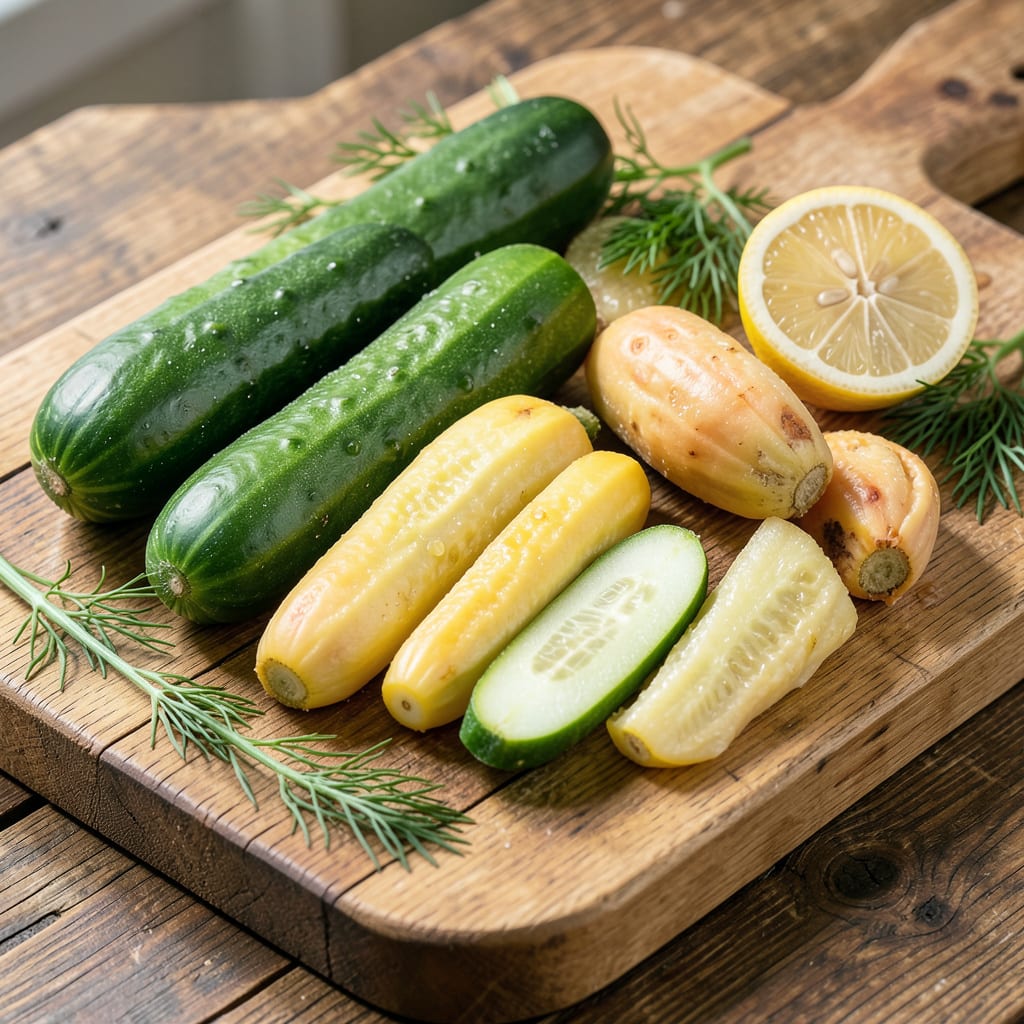
Yellow cucumbers caught me off guard my first season. Turns out, it’s not always bad news—sometimes they’re just overripe and ready for pickup.
Other times, it signals trouble: nutrient shortages, pests nibbling, or a virus spreading through the vines. I’ve seen all three in my garden, and each has a different fix.
Checking the plant’s health helps you decide. Healthy vines with a few yellow fruits? Probably just late. Wilting leaves and spotted cucumbers? Time to investigate deeper.
Early action saves your harvest. Here’s how to tell the difference and what to do next.
Yellow cucumbers are nature’s way of sending a signal. 🌱 Below are the most common causes, explained with science-backed clarity so you can act fast.
Cucumbers turn yellow when left on the vine too long. As they mature past their prime, chlorophyll (the green pigment) breaks down, revealing yellow carotenoids underneath. This is a natural part of the fruit’s life cycle, but it makes them bitter and seedy. Action: Harvest cucumbers when they’re firm, bright green, and 6–8 inches long.
Irregular watering—either too much or too little—disrupts nutrient uptake. Drought stress forces the plant to prioritize survival over fruit quality, while overwatering can suffocate roots, leading to nutrient deficiencies that manifest as yellowing. Action: Maintain consistent soil moisture (1–1.5 inches of water per week) and ensure good drainage.
The Cucumber Mosaic Virus (CMV) or Cucumber Green Mottle Mosaic Virus (CGMMV) can cause yellowing, stunted growth, and mottled patterns on leaves and fruit. These viruses spread via aphids or contaminated tools. Action: Remove and destroy infected plants immediately to prevent spread. Use row covers and aphid-resistant varieties.
A lack of nitrogen, magnesium, or potassium can trigger yellowing. Nitrogen deficiency often starts with lower leaves turning yellow, while magnesium deficiency causes interveinal chlorosis (yellowing between veins). Action: Test soil and amend with balanced fertilizer (e.g., 10-10-10) or magnesium sulfate (Epsom salt) for quick correction.
Excessive sun exposure or temperatures above 90°F can scald cucumber fruit, turning the exposed side yellow or white. This is common in intense summer heat. Action: Provide afternoon shade with row covers or plant in a location with dappled sunlight during peak hours.
If your cucumbers are turning yellow, the fix depends on the root cause. Below are targeted solutions to bring your plants back to health or prevent future issues.
If the yellowing is due to ripeness, harvest immediately. Use a sharp knife or pruning shears to cut the cucumber from the vine, leaving a small stem attached. Prevention tip: Check plants daily during peak harvest season and pick cucumbers when they’re firm, green, and 6–8 inches long.
Inconsistent watering can stress plants. Fix it by watering deeply 1–2 times per week (more in extreme heat) to keep soil evenly moist but not soggy. Use a drip irrigation system or soaker hose to avoid wetting the leaves. Prevention tip: Mulch around plants with straw or compost to retain moisture and regulate soil temperature.
For pests like aphids or cucumber beetles, spray plants with neem oil or insecticidal soap in the early morning or late evening. Remove severely infested leaves or fruits to stop the spread. For fungal diseases (e.g., powdery mildew), improve airflow by thinning plants and avoid overhead watering. Prevention tip: Rotate crops yearly and plant disease-resistant varieties like ‘Marketmore 76’ or ‘Straight Eight‘.
A lack of nitrogen or potassium can cause yellowing. Amend the soil with a balanced fertilizer (10-10-10) or compost tea. For a quick boost, side-dress plants with aged compost. Prevention tip: Test your soil before planting and adjust amendments based on the results.
Shield plants from scorching sun with shade cloth (30–50% coverage) during the hottest part of the day. Ensure they receive at least 6–8 hours of sunlight, but protect them from extreme heat. Prevention tip: Plant in a location with afternoon shade or use row covers early in the season.
With these fixes, your cucumbers should return to their vibrant green in no time! 🌿
Yes, if they’re just overripe. These will be seedy and bitter but safe to eat. Discard any with soft spots, mold, or a foul odor, as these indicate spoilage.
Look for additional signs like wilted leaves, spots on fruit, or stunted growth. Viral infections often cause mottled patterns on both leaves and cucumbers.
Harvest cucumbers at 6–8 inches long and maintain consistent watering. Use mulch and plant disease-resistant varieties like ‘Marketmore 76’.
