
Beautiful Plants For Your Interior
Beautiful Plants For Your Interior
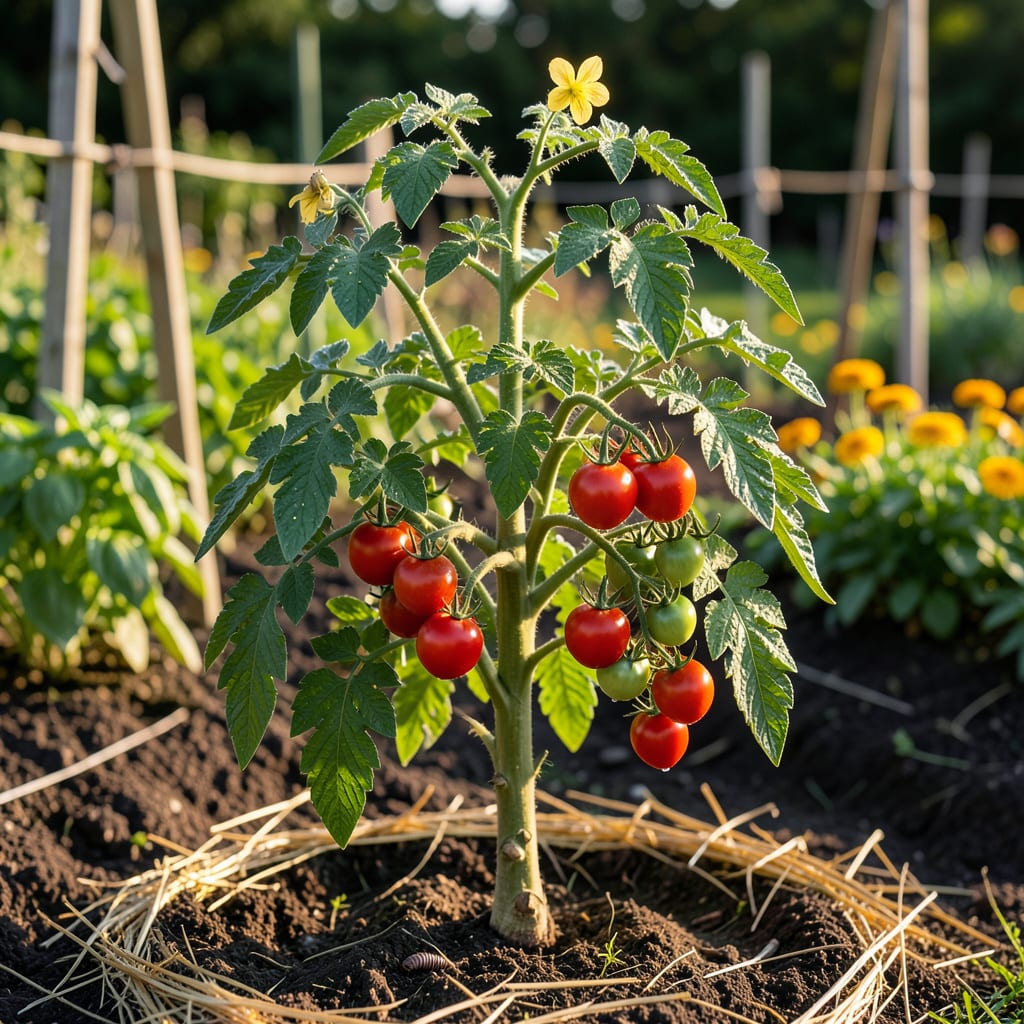
Spotting a mushroom popping up in your General Plant (Mushroom Indicator)’s soil can feel like discovering an uninvited guest. Before you panic, know this: it’s not always bad news—but it is your soil sending you a message.
These fungal visitors usually mean one thing: your plant’s environment is a little too cozy for fungi. Whether it’s excess moisture, decaying matter, or just lucky spores, I’ll help you decode what’s really going on—and exactly how to fix it. Let’s dig in.
Finding mushrooms in your plant isn’t a gardening failure—it’s actually a natural signal from your soil. These fungi thrive when conditions are just right: plenty of organic matter, consistent moisture, and a cozy, shaded spot. Think of them as nature’s cleanup crew!
Most mushrooms you’ll spot are saprophytic fungi, meaning they break down dead plant material like old roots or compost. They’re not attacking your plant directly, but their presence often points to overwatering, poor drainage, or decaying debris in the soil.
| Cause | Details |
|---|---|
| Organic Matter | Decomposing roots, leaves, or compost attract fungi. |
| Overwatering | Soggy soil creates ideal conditions for mushroom spores. |
| Poor Drainage | Compacted soil or lack of drainage holes traps moisture. |
| Contaminated Soil | Store-bought soil may contain dormant fungal spores. |
If you’re seeing mushrooms in potted plants, check for standing water in the saucer or compacted soil that’s holding too much moisture. In garden beds, they often pop up after rainy periods or where mulch is piled too thickly.
Mushrooms can also hitchhike into your garden via contaminated potting mix or homemade compost that wasn’t fully decomposed. Even wood chips or bark mulch can introduce spores. Don’t panic—this is normal, but it’s a sign to tweak your watering routine or soil mix.
One surprising culprit? Old plant roots left in the soil when you replant. These decaying bits become a fungal buffet. If you’ve recently repotted or transplanted, this could explain the sudden mushroom party. The good news? They’ll disappear once the organic matter is fully broken down.
While most mushrooms are harmless, their presence can indicate your plant is sitting in too much moisture. Over time, this can lead to root rot or other fungal diseases. If you notice yellowing leaves or a foul odor, it’s time to act—your plant’s roots may be suffering.
Interestingly, mushrooms can also signal healthy soil! A few popping up means your soil has plenty of organic material and microbial activity—both great for plant growth. The key is balance: you want decomposition without waterlogged conditions that stress your plants.
If you’re using homemade compost, it might not be fully “cooked” (decomposed). Fresh compost can introduce active fungal spores that sprout mushrooms. Let your compost age for 6-12 months before using it to avoid this. Store-bought compost is usually sterilized to prevent this issue.
Finally, mushrooms love shady, humid spots. If your plant is in a low-light area with high humidity (like a bathroom or basement), you’re rolling out the welcome mat for fungi. Increasing airflow and sunlight can help dry out the soil and discourage future growth.
Remember, mushrooms are just the visible tip of a much larger fungal network in your soil. This mycelium (the underground part) is always present—it only fruits (forms mushrooms) when conditions are perfect. So while they might be unsightly, they’re a natural part of your garden’s ecosystem! 🌱
Let’s cut to the chase: most mushrooms in your plants are harmless to your greenery—but they’re not always harmless to you. While they rarely attack live plants, their presence can hint at bigger issues like overwatering or poor soil health.
The real danger isn’t the mushrooms themselves, but what they reveal. If you see them alongside yellowing leaves, mushy stems, or a sour smell, your plant’s roots may be drowning. These are classic signs of root rot, a far more serious problem than a few fungi.
⚠️ Warning: Toxic Mushrooms Ahead!
Never assume garden mushrooms are safe to touch or eat. Many common varieties (like Amanita or Galerina) are highly toxic. Always wear gloves when removing them, and wash your hands thoroughly afterward.
For potted plants, mushrooms are more concerning because they compete for nutrients and water. In extreme cases, they can starve your plant by hogging resources. Check for stunted growth or weak stems—these suggest your plant is losing the battle.
In garden beds, mushrooms are usually less threatening. They often appear after rain or when you’ve added fresh mulch or compost. However, if they form fairy rings (circles of mushrooms), they might be Armillaria (honey fungus), which can kill plants by attacking roots.
Here’s how to assess the risk: Pluck one mushroom and examine its base. If the soil underneath is slimy or black, you’ve got root rot. If it smells like rotten eggs, anaerobic bacteria are thriving—a sign of severe overwatering.
On the flip side, if your plant looks healthy and vibrant with just a few mushrooms, there’s likely no cause for alarm. The fungi are probably just breaking down old organic matter. Think of them as nature’s recyclers! Just keep an eye on moisture levels to prevent future outbreaks. 🌿
Now that you know mushrooms aren’t always a plant emergency, let’s talk solutions. The first step is always removal—but skip the chemicals unless absolutely necessary. I’ll walk you through my go-to methods, starting with the gentlest options that protect your plant’s roots and soil health.
Grab a pair of gardening gloves (trust me, you don’t want to handle unknown mushrooms bare-handed) and a small trowel. Gently twist and pull the mushrooms from the base, trying to remove the entire mycelium network beneath. Avoid yanking—this can disturb your plant’s roots. Dispose of them in a sealed bag—not your compost!
For potted plants, I recommend repotting if mushrooms keep returning. Use a fresh, sterile potting mix and wash the pot with a 10% bleach solution to kill lingering spores. Add a 1-inch layer of gravel at the bottom to boost drainage—this simple trick prevents water from pooling at the roots.
In garden beds, focus on long-term prevention. Solarize the soil by covering affected areas with clear plastic for 4-6 weeks during hot weather—the heat will kill fungal spores. Alternatively, plant fungus-resistant varieties like marigolds or garlic nearby; their natural compounds deter fungal growth.
If you’re dealing with persistent mushrooms, consider a mycorrhizal inoculant. These beneficial fungi outcompete harmful ones while actually boosting plant health. Look for products containing Glomus or Rhizophagus species—they’re like probiotics for your soil! Apply according to package directions when planting or top-dressing.
Remember, the key to mushroom-free plants is consistency. Monitor soil moisture with a $10 moisture meter (my favorite gardening tool!), and adjust your care routine as seasons change. With these steps, you’ll create an environment where your plants thrive—and mushrooms don’t stand a chance! ✂️
Yes, it’s best to remove them promptly. Use gloves to gently twist and pull mushrooms from the base, including as much of the underground network as possible. This prevents spores from spreading while you address the underlying moisture or organic matter issues.
Many garden mushrooms are toxic to pets if ingested. Keep curious pets away from affected areas and remove mushrooms immediately. When in doubt, consult your vet—some varieties can cause severe reactions like vomiting or liver damage.
They might if conditions remain ideal for fungi. To prevent regrowth, improve drainage by adding perlite or sand to soil, and reduce watering frequency. Consider repotting with fresh, sterile soil for persistent cases.
No, it’s better to dispose of them in sealed bags. Composting could spread spores back into your garden. If you’re unsure about the mushroom type, err on the side of caution—some toxic varieties can contaminate your compost pile.
Focus on cultural controls like adjusting watering habits, increasing sunlight, and removing organic debris. Natural options include neem oil spray or planting garlic nearby—its antifungal properties help deter fungal growth.
