
Beautiful Plants For Your Interior
Beautiful Plants For Your Interior
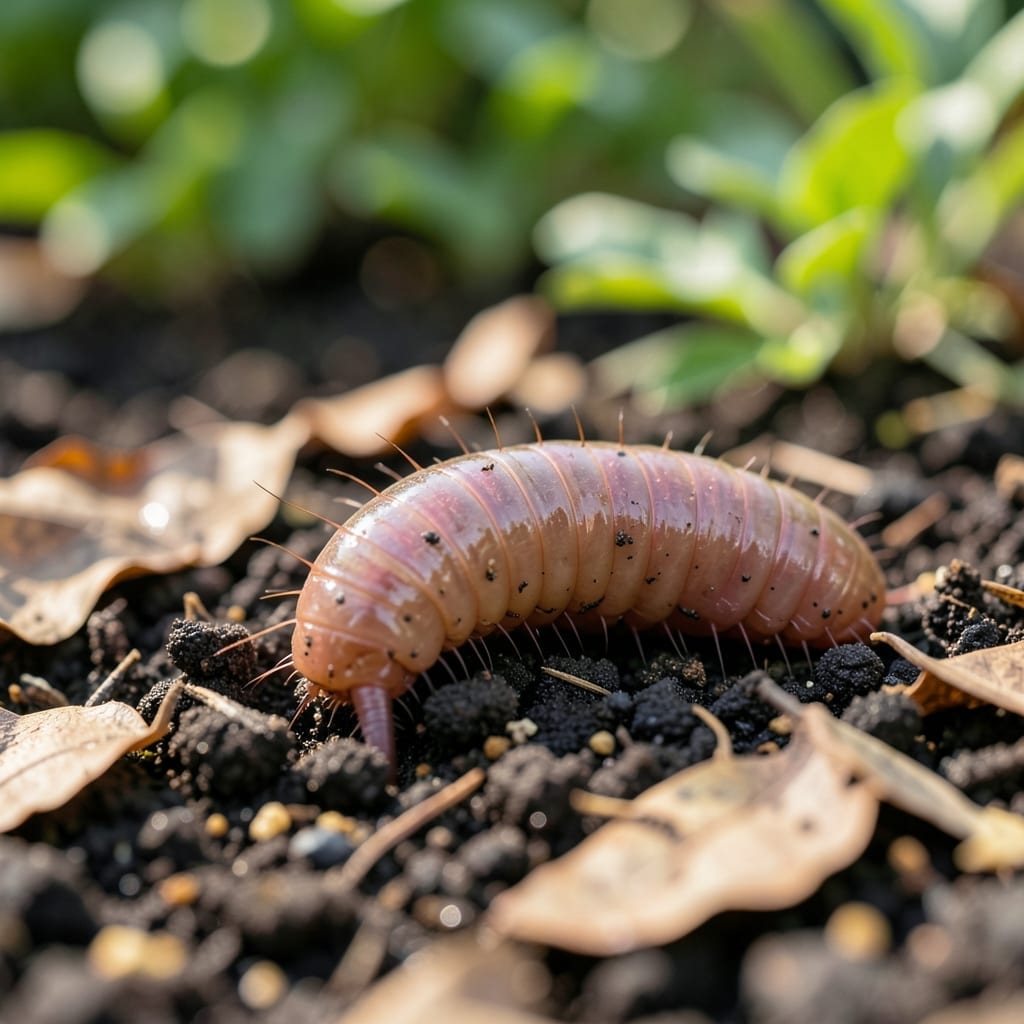
I spotted something moving in the soil that made me do a double-take. Worms in compost or garden beds are normal, but finding one in an unexpected place raises questions.
Identifying these creatures starts with knowing what to look for. Size, color, and movement patterns tell the story—some are harmless, others need attention. I’ve learned the difference through close observation and a bit of research.
This guide helps you recognize what you’re seeing and understand its significance. Clear details mean you can act with confidence, whether it’s a cause for concern or just nature at work.
No panic, just facts. You’ll walk away knowing exactly what to do next.
Worms in stool are a sign of parasitic infection, and several types of organisms can lead to this unsettling discovery. Understanding the why behind their appearance helps in prevention and treatment.
One of the most common causes is ingesting microscopic parasite eggs due to improper handwashing. Parasites like pinworms (Enterobius vermicularis) spread when eggs from contaminated surfaces—such as toilets, bedding, or toys—are accidentally swallowed. These eggs hatch in the intestines, where the worms mature and reproduce.
Roundworms (Ascaris lumbricoides) and tapeworms often enter the body through unwashed fruits, vegetables, or undercooked meat. In regions with poor sanitation, soil and water may contain parasite eggs or larvae. Drinking untreated water from lakes or streams can also introduce Giardia or other protozoa, though these aren’t visible worms.
Pets, especially dogs and cats, can carry parasites like hookworms or tapeworms. Accidental ingestion of pet feces (e.g., children playing in contaminated sandboxes) or close contact with infected animals can transfer eggs to humans. Regular deworming of pets and proper disposal of animal waste reduce this risk.
Parasitic infections thrive in tropical and subtropical regions where sanitation infrastructure may be limited. Travelers to these areas are at higher risk if they consume local food or water without precautions. Always peel fruits, avoid raw salads, and drink bottled or boiled water in high-risk zones.
Identifying the cause helps target treatment. If you spot worms in stool, consult a healthcare provider for stool tests and appropriate antiparasitic medication.
If you’ve spotted worms in your stool, don’t panic—there are effective ways to address the issue. Below are targeted solutions based on the most common causes, along with prevention tips to keep your digestive system healthy.
Pinworms are the most frequent culprit. Over-the-counter or prescription anti-parasitic medications like mebendazole or pyrantel pamoate can eliminate them. Take the full course as directed. Prevention tip: Wash hands thoroughly, especially before eating or after using the toilet. 💡 Change and wash bed linens, towels, and clothing in hot water to kill eggs.
Roundworms (like Ascaris) require prescription anti-parasitic drugs such as albendazole. A doctor may recommend multiple doses to ensure all worms and eggs are gone. Prevention tip: Avoid walking barefoot in soil that may be contaminated and wash fruits and vegetables thoroughly before eating. 🌡️
Tapeworm infections often come from undercooked meat or fleas. A single dose of praziquantel is usually effective. If the infection persists, follow up with your healthcare provider. Prevention tip: Cook meat to safe temperatures (145°F for pork, 160°F for beef) and flea-proof your pets. 🎯
Hookworms enter through the skin, so deworming medication like albendazole is key. Prevention tip: Wear shoes in warm, damp areas where soil may be contaminated, and avoid contact with feces (e.g., during gardening or cleaning pet waste). ✨
General Prevention:
If symptoms persist or worsen, consult a doctor for proper diagnosis and treatment. Early action ensures a quick recovery!
Worms are typically white, tan, or off-white and may move slightly. Undigested food is usually darker and has a distinct shape like fiber or seeds.
No, some like Giardia are microscopic. Only larger parasites like pinworms, tapeworms, or roundworms can be seen without a microscope.
Collect a sample in a clean container and see a doctor immediately. They can identify the type and prescribe the right treatment.
Some mild cases may resolve, but most parasitic infections require medication. Never assume it will disappear without treatment.