
Beautiful Plants For Your Interior
Beautiful Plants For Your Interior
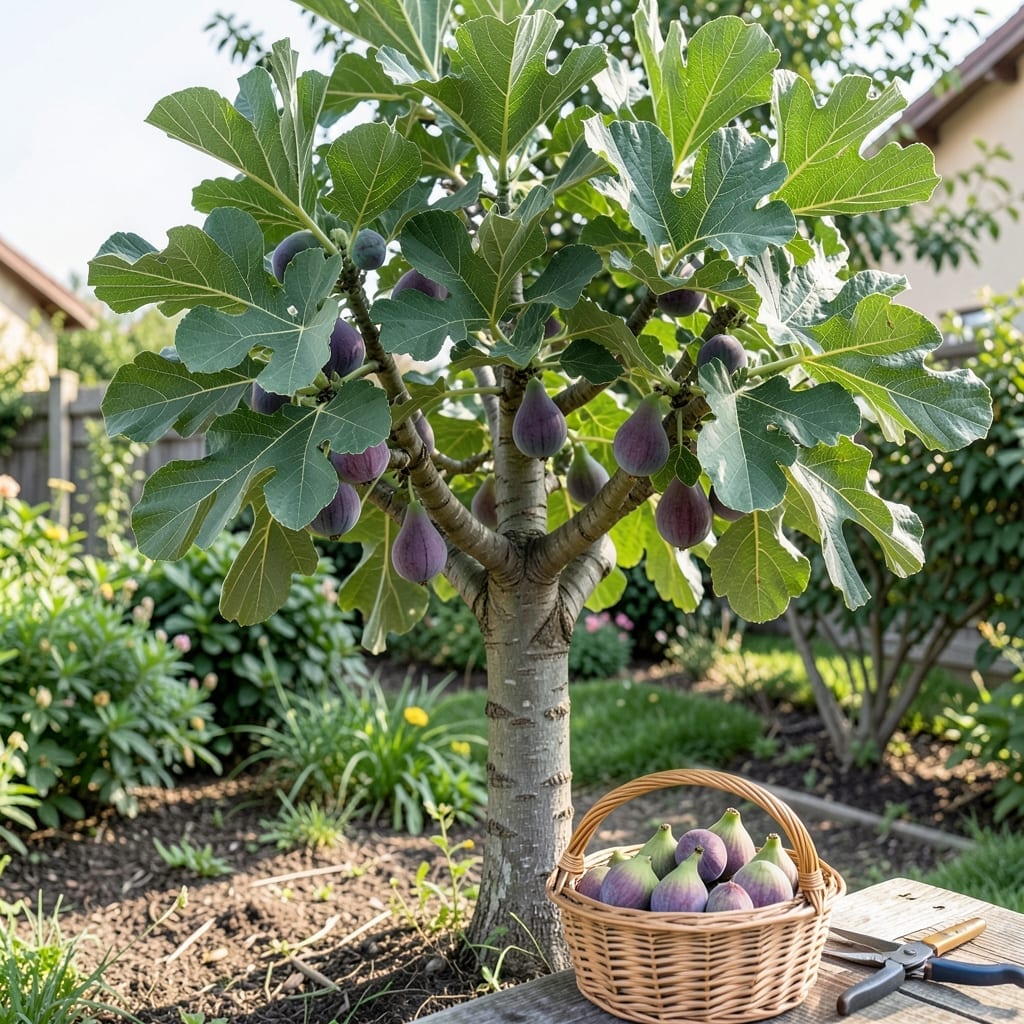
Picking a Fig at peak ripeness is the difference between a bland, rubbery disappointment and a burst of honey-sweet perfection. Knowing exactly what to look for ensures you harvest at the ideal moment.
I’ve learned that timing is everything with these fruits. The 🍇 Fig won’t continue ripening once picked, so getting it right the first time is crucial. Miss the window, and you might as well be eating a leaf.
Discover the subtle signs that separate the ready from the not-quite-there. Your taste buds will thank you for the attention to detail.


Identifying a ripe fig starts with knowing your variety. Each type has unique visual cues that signal it’s ready for harvesting. I always check the color first, as it’s the most obvious indicator.
The color transformation is dramatic. Green figs turn deep purple, brown, or golden yellow depending on the cultivar. This change is your first clue that the fruit is nearing peak ripeness.
| Variety | Ripe Color | Texture |
| Black Mission | Deep purple-black | Soft, slightly wrinkled |
| Brown Turkey | Purple-brown | Tender, smooth |
| Celeste | Violet-blue | Firm but yields to pressure |
| Kadota | Golden yellow | Very soft, may crack |
For Black Mission figs, look for a nearly black skin with a deep purple hue. The fruit should feel soft when gently squeezed, almost like a ripe avocado.
Brown Turkey figs develop a rich, reddish-brown color. They often have a slightly neck droop when fully ripe, which is a sure sign they’re ready to pick.
The Celeste variety is trickier. Its violet-blue skin might not change as dramatically, but the fruit will feel heavy and soft in your hand. I always check the stem end for a sweet aroma.
Kadota figs turn a beautiful golden yellow. They’re at their peak when the skin develops tiny cracks and the fruit feels very soft to the touch.
Remember, size isn’t everything. A large fig isn’t necessarily ripe. Focus on the color change and texture rather than dimensions alone.
Another telltale sign is the stem end. When ripe, it often develops a small crack and may ooze a bit of sweet syrup. This is nature’s way of saying “I’m ready!”
I’ve found that morning harvesting works best. The fruits are cooler and firmer, making them easier to pick without damaging the delicate skin. 🌿
Even when a fig looks ready, I always do a few quick tests to confirm. The squeeze test is my go-to method. Gently press the fruit—it should yield slightly like a ripe peach.
Another reliable sign is the neck droop. When a fig hangs slightly downward from its stem, it’s often at peak ripeness. This is especially true for Brown Turkey and Celeste varieties.
The scent test is incredibly telling. Bring the fig close to your nose—if you detect a honey-like sweetness, it’s ready. No scent often means it needs more time on the tree.
Look for tiny cracks near the stem. These are natural and indicate the fruit is at its sweetest point. Don’t confuse these with large splits, which might signal overripeness.
The twist test is my final check. A ripe fig will come away from the branch with a gentle twist. If it resists, leave it for another day or two.
I’ve found that early morning is the best time to perform these tests. The cooler temperatures make the fruits firmer and easier to evaluate without damaging them. 🌱