
Beautiful Plants For Your Interior
Beautiful Plants For Your Interior
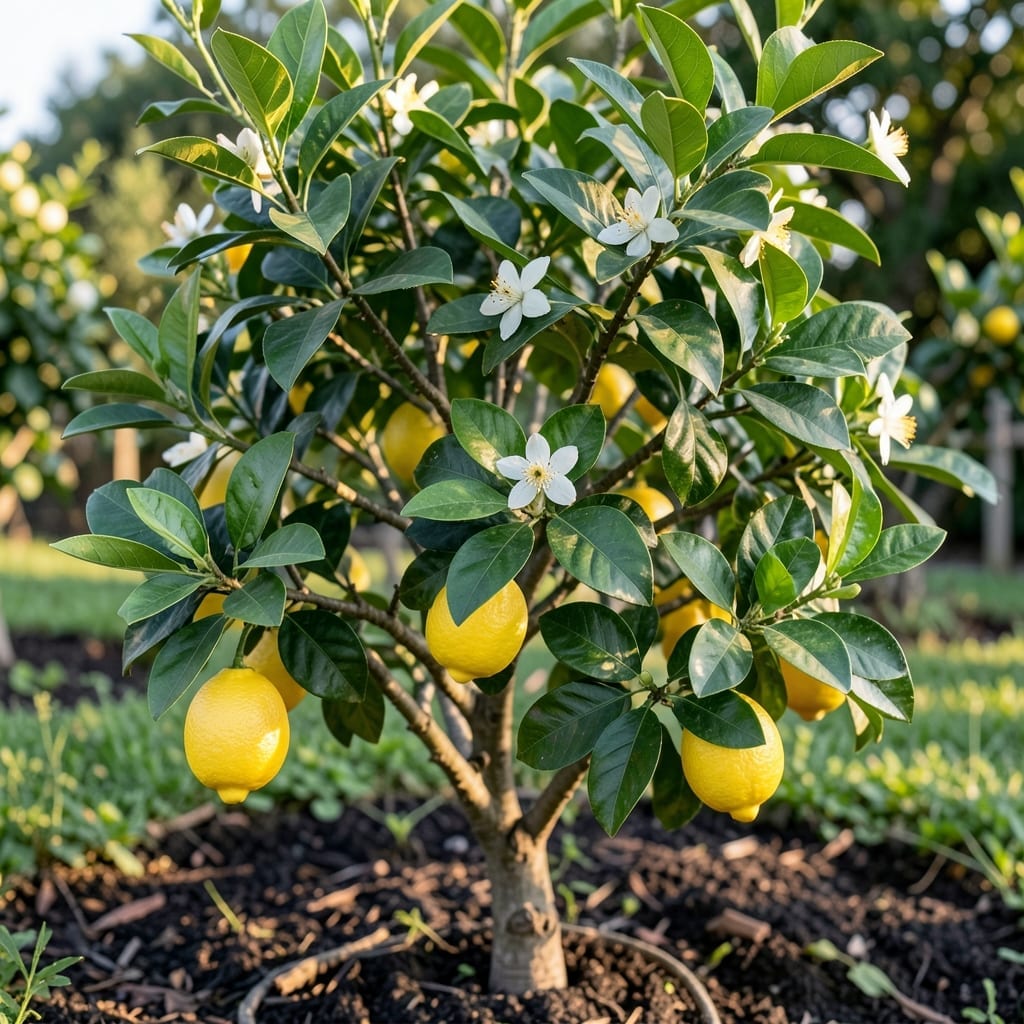
That first whiff of citrus is unmistakable. Lemon leaves have a glossy, dark green surface that catches the light, with a slightly leathery texture that holds up to their aromatic oils.
They’re oval-shaped with pointed tips, typically 3-6 inches long, and the edges have fine, subtle serrations. The leaf stems, or petioles, are often winged—a unique feature that sets them apart.
Rub one between your fingers and the sharp, clean scent confirms it’s a lemon. Healthy leaves feel firm and springy, while yellowing or curling signals stress.
Recognizing these traits helps you spot a lemon tree in any setting, from orchards to backyard pots. Even a single leaf tells the story.
The appearance of a lemon leaf can vary due to several biological and environmental factors. Below are the primary causes, explained with scientific precision.
Lemon trees (Citrus × limon) naturally exhibit slight variations in leaf morphology due to genetic diversity. Different cultivars, such as Eureka or Meyer lemons, may have subtly distinct leaf shapes—Eureka leaves tend to be more elongated, while Meyer leaves are often broader and slightly serrated. These genetic differences are inherited and consistent within each variety.
Light exposure, temperature, and humidity directly influence leaf development. Leaves grown in full sun often develop a thicker cuticle and a darker green hue to protect against UV radiation. In contrast, shaded leaves may appear lighter and thinner. Temperature fluctuations can also cause leaf curling or edges to turn slightly yellow (chlorosis) due to stress.
Inadequate watering or nutrient deficiencies can alter leaf appearance. Overwatering leads to yellowing and wilting, while underwatering results in dry, brittle edges. A lack of nitrogen causes uniform yellowing, whereas magnesium deficiency often produces interveinal chlorosis (yellowing between veins). Proper irrigation and fertilization ensure healthy, vibrant leaves.
Pests like aphids or citrus leafminers can distort leaf shape by feeding on sap or burrowing into tissue. Fungal infections, such as citrus canker, create irregular brown spots. Regular inspection and organic treatments (e.g., neem oil) help maintain leaf integrity.
If you’re struggling to recognize a lemon leaf, these practical solutions will help you pinpoint its unique traits with ease. From shape to scent, here’s how to solve the puzzle and avoid common mix-ups.
Lemon leaves often get confused with similar citrus varieties. If the leaf doesn’t have an elliptical or ovate shape with a slightly pointed tip, it might not be a lemon. Fix this by comparing it to a confirmed lemon leaf—true ones are 2–4 inches long with smooth, slightly wavy edges. Prevention tip: 💡 Always examine the leaf’s base—lemon leaves have a subtle, rounded attachment to the stem.
If the leaf feels too rough or fuzzy, it’s likely not a lemon. A genuine lemon leaf has a smooth, glossy texture with visible oil glands when held to light. To fix confusion, rub the leaf between your fingers—lemon leaves release a faint citrusy aroma. Prevention tip: ✨ Avoid leaves with hairy undersides; those belong to other citrus plants like oranges or limes.
No aroma? Crush a small section of the leaf to release its oils. Lemon leaves emit a bright, zesty scent similar to the fruit itself. If the smell is weak or absent, it’s not a lemon. Prevention tip: 🎯 Always test the scent of a fresh leaf—dried or damaged leaves lose their distinctive fragrance.
For best results, cross-check all three traits: shape, texture, and aroma. When in doubt, compare it to a known lemon leaf for confirmation!
This is normal! The midrib and veins often appear slightly lighter than the leaf surface. It’s caused by the structure of the leaf tissue and light reflection.
Yes, but check multiple traits. True lemon leaves have a glossy finish, fine serrations, and release citrus scent when crushed. Compare with other citrus leaves if unsure.
Healthy leaves stay dark green year-round. Yellowing or browning usually signals stress, pests, or disease. Seasonal shifts are rare in lemon trees.
Rub it between your fingers. The unmistakable citrus aroma is the quickest identifier. No scent means it’s likely not a lemon.