
Beautiful Plants For Your Interior
Beautiful Plants For Your Interior
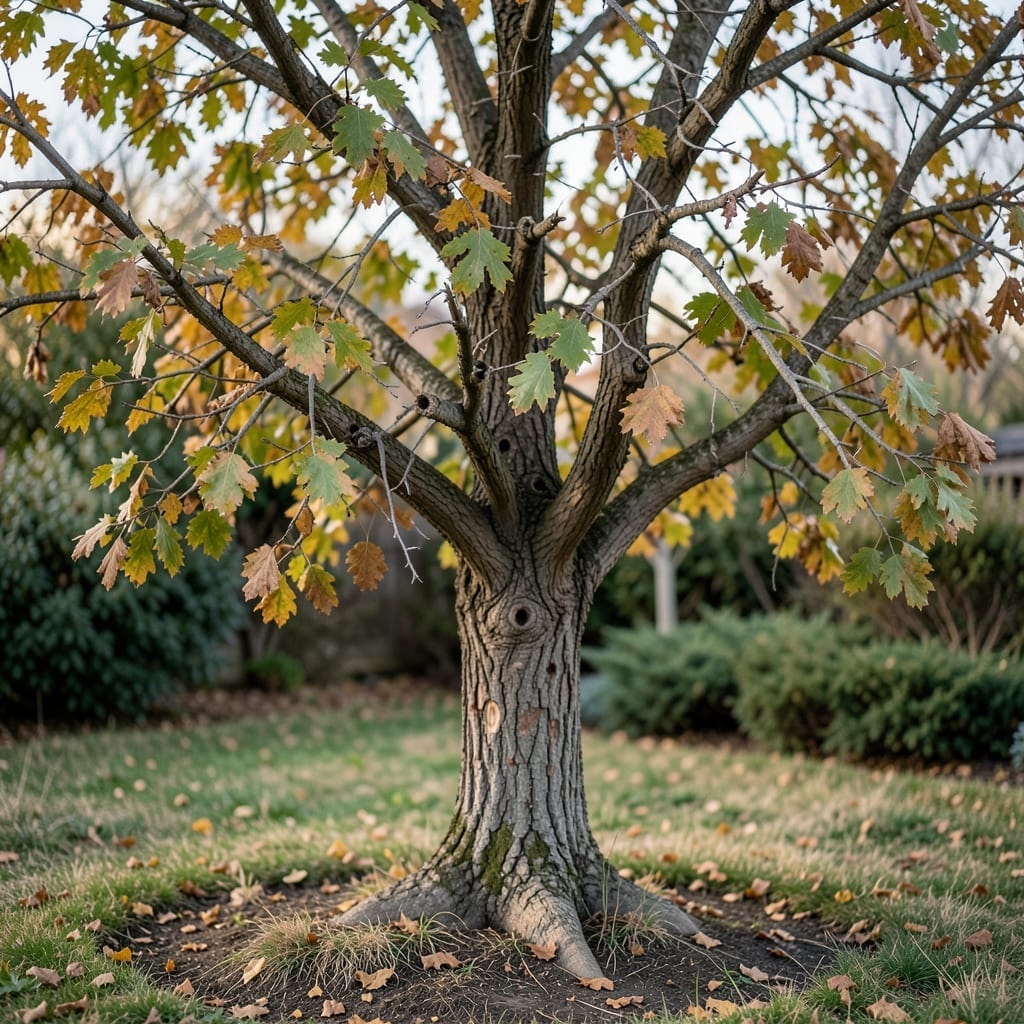
Spotted an elm tree that just doesn’t look right? I’ve stood under too many struggling elms, wondering if it’s just a rough season or something worse. The signs are often subtle at first—yellowing leaves in July, branches with no green at the tips.
Then there’s the bark: peeling in patches or oozing dark streaks. Dutch elm disease often starts with wilted leaves that turn brown but stay clinging to branches. By the time you notice, it’s often spread through the tree’s vascular system.
Catch it early and you might save it. Late summer is when these symptoms really show themselves. The tree’s canopy thins, and what should be lush and full starts looking sparse and sad.
Don’t wait for confirmation. If you see these patterns, act fast—your tree’s life could depend on it.
Elm trees can decline and die due to a variety of factors, often working in combination. Understanding these causes helps in early detection and prevention. Below are the most common culprits behind a dying elm tree.
Dutch Elm Disease is the most notorious killer of elm trees, caused by the fungus Ophiostoma novo-ulmi. It spreads through bark beetles or root grafts between adjacent trees. The fungus clogs the tree’s vascular system, blocking water and nutrient flow. Early signs include wilting, yellowing leaves (called “flagging”), and brown streaks in the sapwood. Without intervention, the tree often dies within a year or two.
These tiny beetles (Scolytus spp.) don’t just damage trees by burrowing—they also carry and spread Dutch Elm Disease. Beetles lay eggs under the bark, and larvae tunnel through the tree, disrupting its ability to transport water and nutrients. Look for small holes in the bark and sawdust-like frass at the base of the tree.
Elms are sensitive to drought, soil compaction, and poor drainage. Prolonged dry spells weaken the tree, making it more susceptible to pests and diseases. Compacted soil restricts root growth, while waterlogged roots can rot. Symptoms include stunted growth, leaf scorch, and premature leaf drop.
Construction, lawnmowers, or improper pruning can injure the bark and roots, creating entry points for pathogens. Even small wounds can invite fungal infections or beetle attacks. Always sterilize pruning tools and avoid damaging the trunk with equipment.
This bacterial disease, spread by leafhoppers, targets the tree’s phloem (food-conducting tissue). It causes stunted growth, leaf curling, and premature yellowing. Unlike DED, Elm Yellows progresses slowly but is equally fatal if untreated.
If your elm tree is showing signs of decline, quick action can make all the difference. Below are targeted solutions for common issues, along with prevention tips to keep your tree thriving.
If your tree has yellowing, wilting leaves and brown streaks in the wood, Dutch elm disease may be the culprit. Unfortunately, infected trees must be removed to prevent the fungus from spreading. Sanitize pruning tools with a 10% bleach solution between cuts to avoid contamination. Prevent future infections by injecting healthy elms with a fungicide like Arbotect 20-S every 2–3 years.
Skeletonized leaves or tiny holes in foliage? Elm leaf beetles are likely the problem. Spray with neem oil or insecticidal soap in early summer to target larvae. For severe cases, apply a systemic insecticide like imidacloprid. Prevent reinfestation by raking up fallen leaves and debris where beetles overwinter.
Drooping leaves, cracked bark, or premature leaf drop often signal underwatering. Deep-water your elm (1–2 inches per week) at the base, avoiding the trunk. Apply a 3–4 inch layer of mulch (wood chips or compost) to retain moisture, but keep it 6 inches away from the trunk to prevent rot. Prevent stress by watering consistently during dry spells.
Mushrooms at the base, blackened roots, or stunted growth indicate root rot from poor drainage. Stop watering immediately and let the soil dry out. Amend heavy clay soil with compost or sand to improve drainage. Prevent future issues by planting elms in well-draining areas and avoiding overwatering.
💡 Pro Tip: Regularly inspect your elm for early signs of trouble—early intervention is key to saving a struggling tree!
Yellow leaves in midsummer—especially if they wilt but stay attached—are a classic Dutch elm disease sign. Healthy elms don’t drop leaves this early. Check for brown streaks under the bark to confirm.
Those are likely elm bark beetle entry points. Act fast: remove heavily infested branches and sanitize tools with bleach. Consider a professional fungicide injection to prevent disease spread.
If less than 30% of the canopy is affected, aggressive pruning and fungicide treatment may save it. Remove dead wood immediately and improve watering. Beyond 50% dieback, removal is often the only option.