
Beautiful Plants For Your Interior
Beautiful Plants For Your Interior
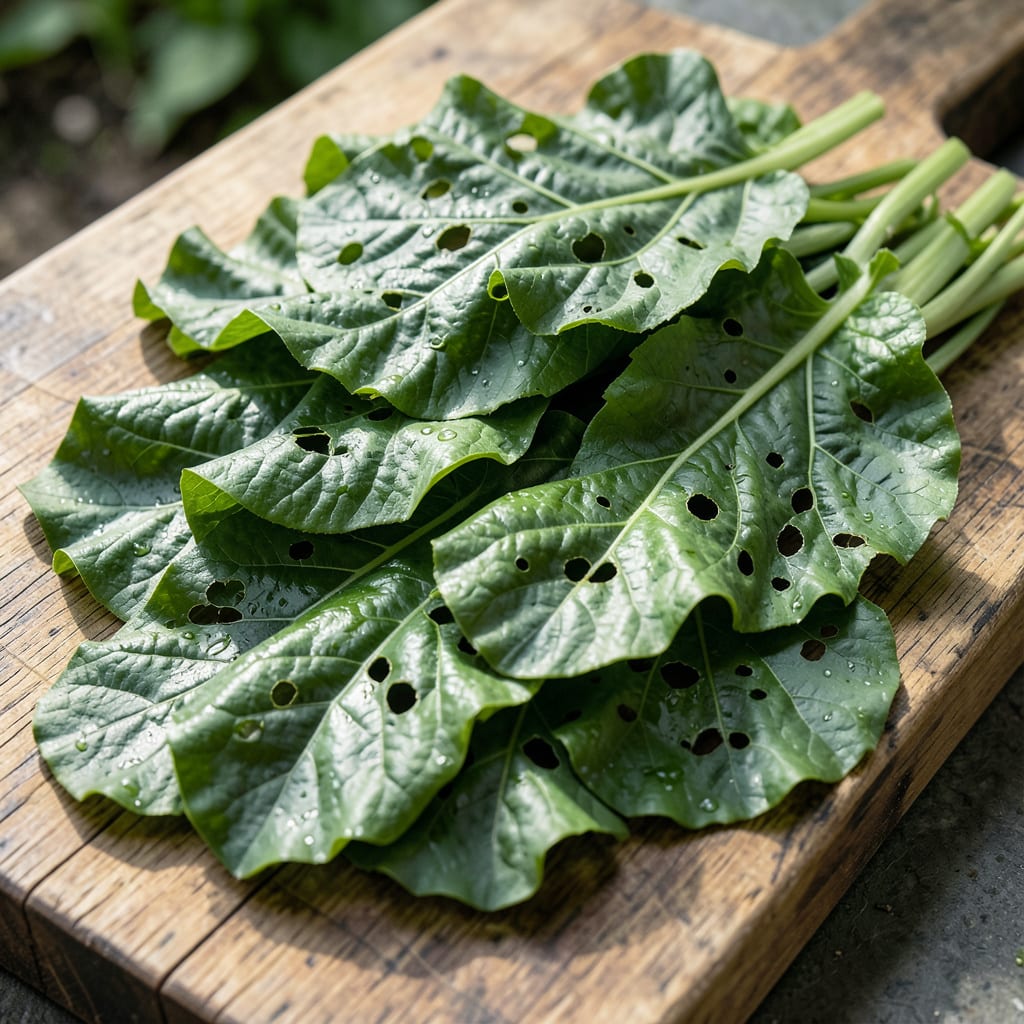
Your rhubarb leaves shouldn’t look like Swiss cheese. I’ve dealt with my fair share of leaf damage, and it’s almost always pests making themselves at home.
Slugs, snails, and beetles are the usual suspects, but the holes they leave behind tell different stories. Slugs leave silvery trails, while beetles chew jagged edges. The key is catching them early before they move to the stalks you actually want to harvest.
You can stop the damage with simple barriers like copper tape or diatomaceous earth. A late-night flashlight check usually reveals the culprits in action. Once you know what you’re dealing with, targeted solutions work better than broad approaches.
Healthy rhubarb starts with healthy leaves. Keep the area clean, remove debris where pests hide, and you’ll see a difference within days. Prevention beats treatment every time with these plants.
Rhubarb leaves with holes are often a sign of underlying issues, and the culprits usually fall into a few clear categories:
The most common reason for holes in rhubarb leaves is pest activity. Rhubarb curculio (a type of weevil) and Japanese beetles are notorious for chewing irregular holes in the foliage. These insects lay eggs in the soil or plant tissue, and their larvae continue the damage. Slugs and snails also leave large, ragged holes, often with a slimy residue as a telltale sign.
While less common than pests, diseases like ramularia leaf spot or bacterial leaf blight can cause small holes or dead patches that eventually tear, mimicking insect damage. These often appear as yellow or brown lesions first, later developing into perforations. Poor air circulation and wet conditions exacerbate fungal growth.
Extreme weather—hail, strong winds, or heavy rain—can physically tear leaves, creating holes. Additionally, nutrient deficiencies (like calcium or potassium) may weaken leaf structure, making them more susceptible to tearing. Overhead watering can also contribute by promoting disease or attracting pests.
Dealing with holes in rhubarb leaves is frustrating, but these practical fixes will restore your plant’s health. Below are targeted cause-to-solution pairings, plus prevention tips to keep your rhubarb thriving.
Act fast at the first sign of damage, and combine fixes with preventive care for long-term success. Healthy rhubarb starts with vigilance and consistent care! ✨
Rhubarb curculio, Japanese beetles, and slugs are the primary culprits. Beetles create jagged holes, while slugs leave large, ragged edges with silvery trails.
Yes, fungal issues like ramularia leaf spot or bacterial blight can cause dead patches that tear into holes. These often start as yellow or brown lesions.
Use copper tape for slugs and row covers for beetles. Keep the garden clean and remove debris where pests hide.
Yes, as long as the stalks are firm and healthy. The leaves are toxic regardless of holes, but the edible stalks remain unaffected by leaf damage.
