
Beautiful Plants For Your Interior
Beautiful Plants For Your Interior
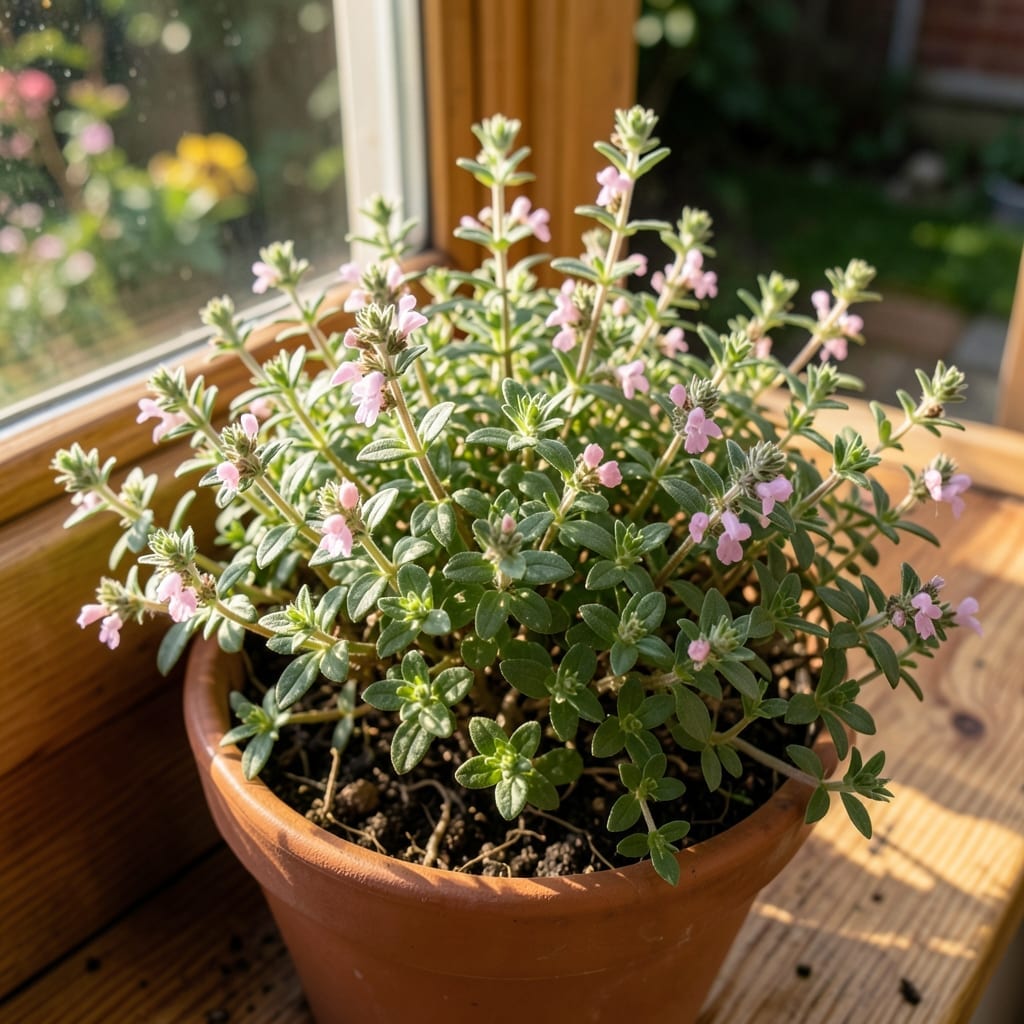
Spotting thyme sprouts for the first time feels like discovering hidden treasure. They emerge as tiny green ovals, barely the size of a grain of rice, with a soft, fuzzy texture that begs to be touched.
Within a week, you’ll notice their earthy scent when brushed—unmistakable even at this early stage. The leaves stay small but multiply quickly, forming dense mats that hug the soil like a living carpet.
The color deepens from pale lime to a richer green as they mature, and the stems remain woody even in infancy. Don’t mistake them for weeds—their growth pattern is slow but relentlessly steady.
Keep the soil just damp and give them sunlight, and you’ll be rewarded with that signature thyme fragrance long before they’re ready for harvesting.
Thyme sprouts develop their distinct appearance due to a combination of genetic, environmental, and growth-stage factors. Understanding these causes helps gardeners identify healthy seedlings and troubleshoot issues early.
Thyme (Thymus vulgaris) is a low-growing, woody perennial with a natural tendency to produce tiny, oval leaves arranged in opposite pairs along slender stems. This genetic blueprint ensures sprouts emerge as compact, fragrant clusters, even in their earliest stages. Varieties like common thyme or lemon thyme may show slight leaf-shape or color variations, but the core structure remains consistent.
Light and temperature directly impact sprout morphology. Insufficient light causes etiolation—pale, elongated stems with sparse leaves as the plant stretches toward a light source. Conversely, full sun (6+ hours daily) promotes the dense, bushy growth thyme is known for. Temperature also plays a role: cool soil (below 60°F) slows germination, while consistent warmth (70–85°F) accelerates the emergence of true leaves with their characteristic earthy aroma.
New thyme sprouts first appear as two small, rounded cotyledons (seed leaves), which lack the herb’s signature scent. True leaves—tiny, gray-green, and slightly fuzzy—develop within 2–4 weeks. Overwatering or poor drainage can stunt growth or cause yellowing, while well-draining soil encourages the vibrant, healthy sprouts gardeners expect. Proper spacing (8–12 inches apart) prevents crowding, ensuring each sprout receives adequate airflow and nutrients.
If you’re struggling to recognize thyme sprouts, these practical solutions will help you tell them apart from other seedlings or weeds. Here’s how to solve common identification problems:
Thyme sprouts start as small, oval, gray-green leaves that grow in pairs along a thin stem. If your seedlings have this distinctive shape, they’re likely thyme. Fix: Compare them to images of young thyme plants—true sprouts will have a slightly fuzzy texture and a soft, earthy scent when crushed.
Prevention tip: 💡 Label your seed trays immediately after planting to avoid confusion later.
Thyme is a slow grower, so sprouts may take 14–28 days to appear. If nothing’s poking through the soil yet, don’t assume failure. Fix: Keep the soil lightly moist (not soggy) and ensure the container gets 6–8 hours of sunlight daily. Use a spray bottle to avoid disturbing the soil.
Prevention tip: ✨ Start seeds in a warm spot (70°F/21°C) to speed up germination.
Thyme sprouts have woody stems at the base even when young, while weeds often have hollow or brittle stems. Fix: Gently rub a leaf between your fingers—thyme will release a mild, herbal aroma, whereas weeds usually smell grassy or neutral.
Prevention tip: 🎯 Plant thyme in a dedicated pot or section to minimize weed competition.
Yellowing or mushy sprouts often mean too much water. Thyme prefers dry conditions and can rot in soggy soil. Fix: Stop watering immediately and move the container to a sunny, breezy spot. Let the top inch of soil dry out before watering again.
Prevention tip: 🌡️ Use a well-draining potting mix and a container with drainage holes.
Look for tiny oval leaves in pairs along a thin, woody stem. Gently crush a leaf—thyme releases a mild herbal aroma, while weeds smell grassy or neutral.
This is etiolation, caused by insufficient light. Move them to a sunnier spot with 6-8 hours of daily sunlight to encourage bushier growth.
True leaves typically appear within 2-4 weeks after germination. They’ll be gray-green, fuzzy, and carry that signature earthy scent.
Keep soil warm at 70-85°F and lightly moist. Avoid overwatering, as thyme prefers drier conditions. A warm starting spot helps.