
Beautiful Plants For Your Interior
Beautiful Plants For Your Interior
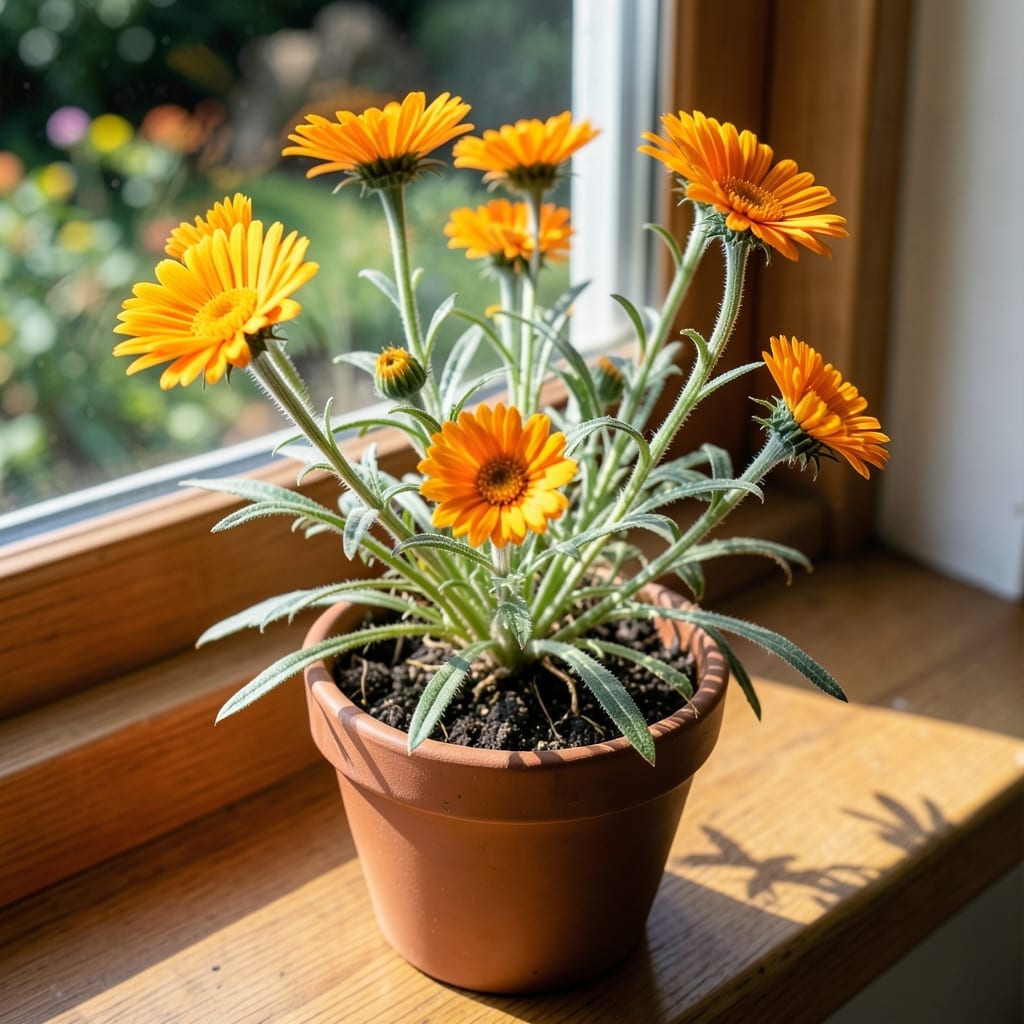
Tiny, fuzzy, and utterly unique—strawflower seeds look like miniature badminton birdies. I first held them in my palm and couldn’t believe something so delicate would grow into those papery, everlasting blooms.
Each seed is a quarter-inch tuft of silvery-white fluff attached to a small, dark brown seed. The texture is soft but surprisingly sturdy, designed to catch the wind for natural dispersal.
They’re impossible to mistake for other seeds once you’ve seen them. The feathery pappus (that’s the botanical term for the fluff) makes them stand out in any seed packet or collection.
Source them from reputable seed companies or save your own from mature flowers. Handle gently—the fluff detaches easily, but the seed itself is tougher than it looks.
Strawflower seeds exhibit unique appearances due to several natural and environmental factors. Understanding these causes helps gardeners identify and cultivate them effectively.
Strawflowers (Helichrysum bracteatum) belong to a species with inherent genetic variation. This diversity leads to differences in seed shape, size, and color, even within the same plant. The seeds often appear as tiny, elongated, and slightly tufted structures, but slight deviations occur due to genetic expression.
Cross-pollination between strawflower plants introduces new genetic combinations. Bees, butterflies, and wind facilitate this process, resulting in seeds with subtle variations. For example, seeds from open-pollinated plants may differ from those of controlled hybrids, affecting their appearance.
Factors like temperature, soil quality, and moisture levels influence seed development. Cooler climates may produce slightly smaller or darker seeds, while optimal growing conditions yield uniform, plump seeds. Stressors like drought can also alter seed morphology.
Immature strawflower seeds are often lighter and less defined, while fully mature seeds develop their characteristic dark, ridged, and tufted appearance. Harvesting too early or late can impact their visible traits.
If you’re struggling to recognize strawflower seeds, these practical solutions will help you spot them with confidence.
Problem: Seeds are hard to see because they’re extremely small.
Fix: Use a magnifying glass to observe their tiny, oblong shape—often less than 1/8 inch long. They resemble miniature, flattened ovals with a slightly fuzzy or rough texture.
Prevention: When harvesting, place a white sheet under the dried flower heads to catch the seeds as they fall, making them easier to spot.
Problem: Seeds look like bits of fluff or debris.
Fix: Look for a small, feathery tuft (pappus) attached to one end. This helps them disperse in the wind, much like dandelion seeds. Gently blow on them to see if they float.
Prevention: Store seeds in a sealed container to prevent the tufts from tangling or breaking off.
Problem: Seeds blend in with their surroundings.
Fix: Fresh strawflower seeds are usually tan, light brown, or grayish. As they age, they may darken slightly. Avoid seeds that appear moldy or discolored.
Prevention: Keep seeds in a cool, dry place to maintain their natural color and viability.
💡 Pro Tip: If in doubt, compare your seeds to a reference image or ask a fellow gardener for a second opinion. Strawflower seeds are unique, but a little practice makes identification a breeze!
Strawflower seeds are very small, usually around 1/8 inch long. Their tiny, oblong shape can be hard to spot without a magnifying glass.
Fresh seeds are typically tan, light brown, or grayish. If they appear moldy or discolored, they may not be viable for planting.
The feathery pappus helps seeds disperse in the wind, much like dandelion seeds. This adaptation allows them to travel farther from the parent plant.
Yes, but choose open-pollinated varieties. Hybrid flowers may produce seeds that don’t grow true to the parent plant.