
Beautiful Plants For Your Interior
Beautiful Plants For Your Interior
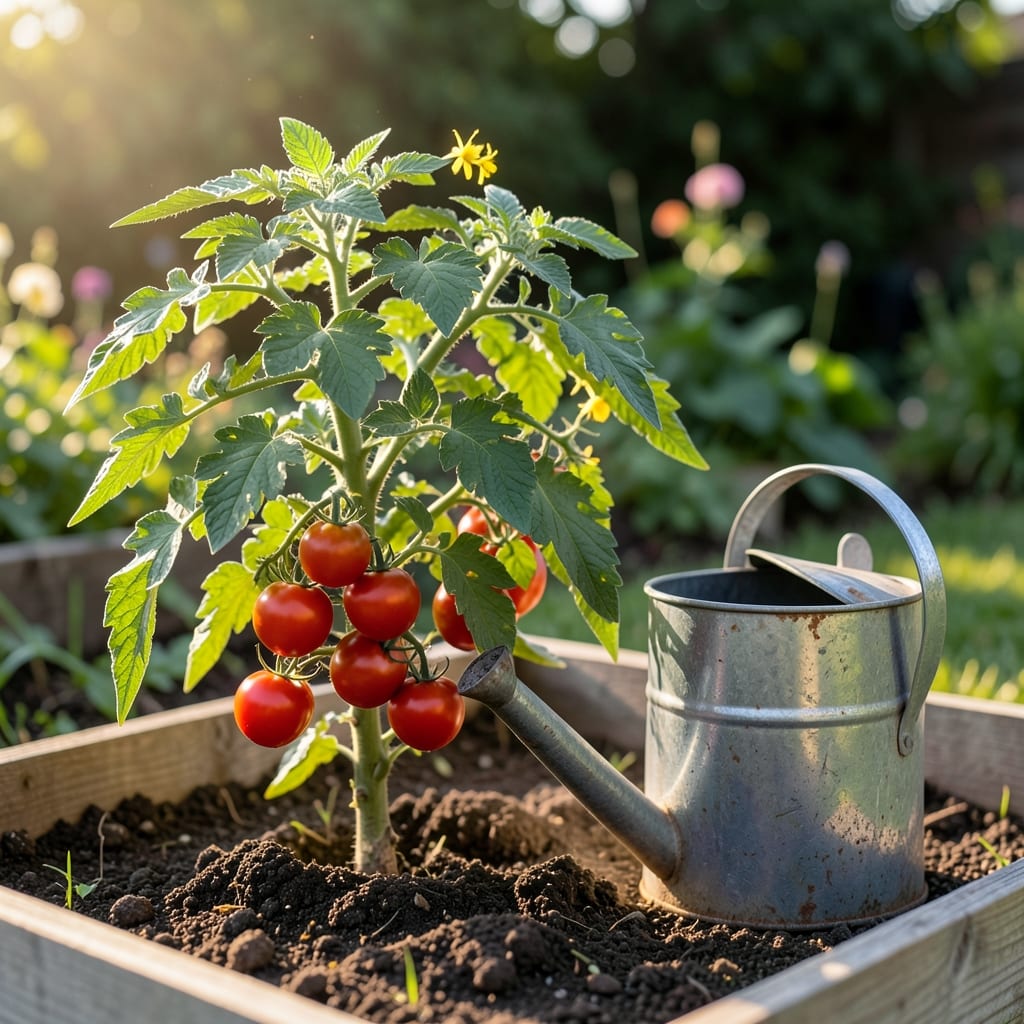
Plants require sunlight for photosynthesis, water for nutrient transport, air for carbon dioxide and oxygen, soil for root support and minerals, and consistent temperature for growth.
I’ve learned through years of gardening that each element plays a unique role in a plant’s life cycle. Sunlight fuels energy production, while water acts as the delivery system for essential nutrients. Without proper air circulation, plants struggle to breathe, and soil quality directly impacts root health and stability. 🌟
Temperature fluctuations can stress plants, so maintaining a stable environment is key to their survival and growth.
💡 In This Article
Plants perform photosynthesis by converting sunlight into chemical energy using chlorophyll. This process happens in the chloroplasts, where light energy splits water molecules to release oxygen and create glucose. The efficiency of this reaction depends on light intensity—most plants need 6-8 hours of direct sunlight daily to produce enough energy for growth. 🌟
The water absorbed by roots doesn’t just hydrate the plant—it dissolves minerals from the soil and carries them through the xylem to every cell. This nutrient transport system works because of capillary action and root pressure, which can push water up to 100 feet in tall trees against gravity.
Without this flow, leaves would wilt within 24-48 hours.
Respiration occurs in the mitochondria of plant cells, using oxygen from the air to break down glucose for energy. This process releases carbon dioxide and water as byproducts. Unlike animals, plants can control their respiration rate through tiny pores called stomata, which open and close to balance gas exchange with water retention. ✨
Soil provides more than physical support—it’s a living ecosystem. Microscopic fungi form symbiotic relationships with roots, expanding their surface area by 100-1000 times to absorb nutrients like phosphorus and nitrogen. The ideal soil temperature for most plants is 60-85°F, as cooler temps slow metabolic processes while extreme heat can damage root systems.
Temperature affects all these systems. Photosynthesis slows below 50°F and stops at 32°F, while respiration increases with heat until it reaches damaging levels above 104°F. This is why most plants thrive in consistent temperatures between 65-80°F, where all biological processes work in harmony. 🔥
Most plants require 6-8 hours of direct sunlight each day for optimal photosynthesis. Leafy greens can manage with 4-6 hours, while fruiting plants often need 8-10 hours of full sun.
Overwatering suffocates roots by displacing air in the soil, leading to root rot. Yellowing leaves and mushy stems are common signs. Always check soil moisture 1-2 inches deep before watering.
Yes, through hydroponics or aeroponics, plants can grow in nutrient-rich water solutions. These methods often produce faster growth but require precise control of nutrients and pH levels.
Plants use carbon dioxide during photosynthesis to produce glucose, their primary energy source. Without it, they can’t create the sugars needed for growth and development.