
Beautiful Plants For Your Interior
Beautiful Plants For Your Interior
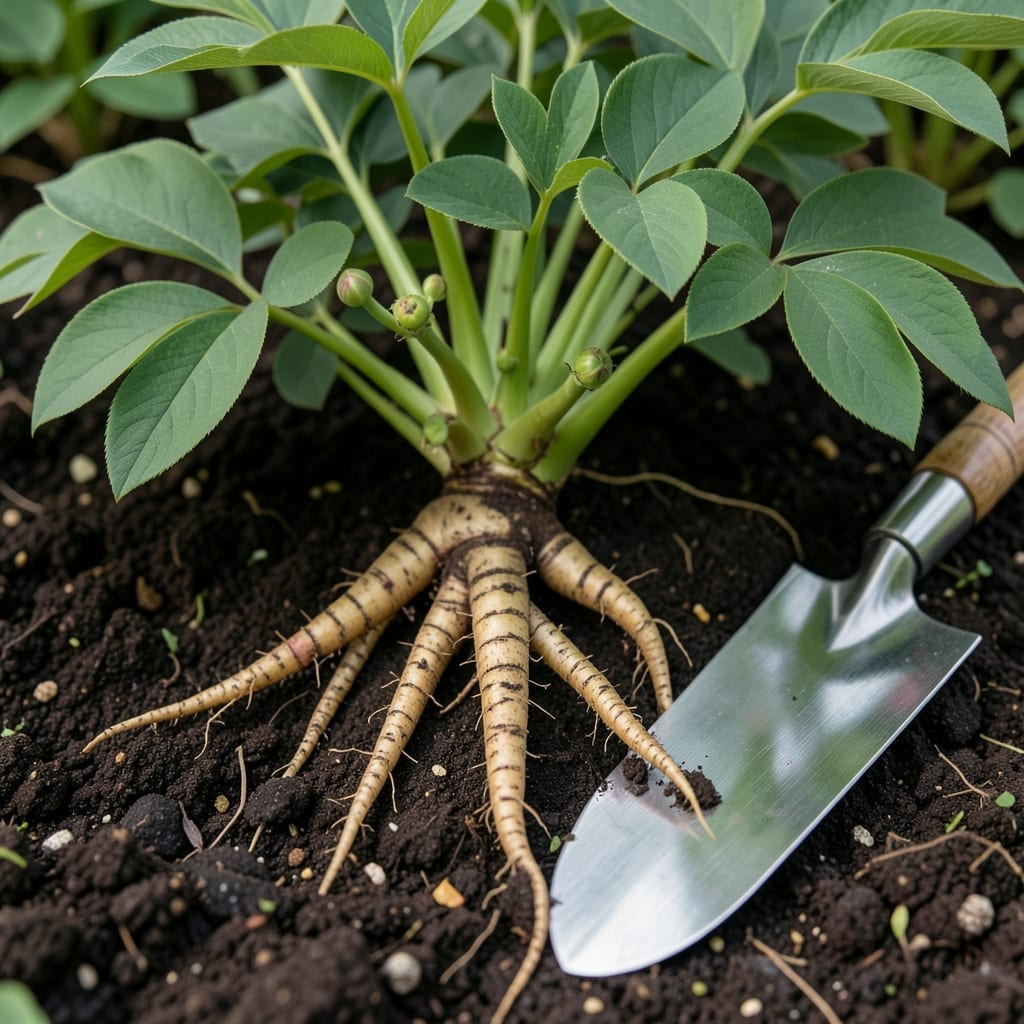
I still remember the first time I dug up a peony to divide it. Those thick, white roots looked more like carrots than anything I’d expected.
Healthy peony roots are fleshy and creamy white, with some smaller feeder roots branching off. They store all the energy the plant needs to explode with blooms each spring.
What surprised me most was how substantial they feel—like plump fingers with visible growth buds called eyes. Those eyes are your next season’s stems, so handle them carefully.
When dividing, look for roots with 3-5 eyes and firm texture. Soft or dark spots mean trouble. Good tubers practically guarantee a healthy plant.
The appearance of peony roots changes due to a mix of natural growth patterns and environmental factors. Below are the key reasons why peony tubers develop their distinctive looks.
Peony roots (Paeonia spp.) are tuberous, meaning they store nutrients in thickened underground stems. This adaptation allows them to survive dormancy and regrow each season. The knobby, irregular shape comes from rhizome expansion, where new “eyes” (buds) form along the root crown, creating a clustered, gnarled appearance. Healthy tubers are typically cream to light tan when young, darkening to brown as they age and develop corky bark.
Excess moisture or poor drainage can cause peony roots to rot or darken, turning mushy and black—a sign of fungal infection like Phytophthora. Conversely, drought stress may shrink tubers, making them wrinkled or cracked. Well-draining, loamy soil with consistent (but not soggy) moisture supports plump, firm roots with minimal blemishes.
Pests like nematodes or grubs can tunnel into peony roots, leaving pitted or hole-ridden surfaces. Fungal diseases (e.g., Verticillium wilt) may cause internal discoloration or a dry, shriveled texture. Regular inspection and sterilized tools when dividing roots help prevent these issues.
Older peony roots develop a woody, segmented texture, while young tubers are smoother. Varieties like tree peonies (Paeonia suffruticosa) have thicker, more fibrous roots compared to herbaceous peonies, which form compact, potato-like clusters. These genetic traits dictate their unique underground structures.
If your peony roots don’t look healthy, here’s how to diagnose and fix common problems—plus how to prevent them in the future.
If the roots are mushy or black, overwatering or poor drainage is likely the culprit. Dig up the plant, trim away the rotten sections with sterilized shears, and replant in well-draining soil. Add compost or sand to improve drainage. Prevention tip: 💡 Water only when the top inch of soil is dry, and ensure the planting site has good airflow.
Dry, withered roots often mean underwatering or extreme heat exposure. Rehydrate the plant slowly by soaking the root ball in water for 10–15 minutes before replanting. Mulch around the base to retain moisture. Prevention tip: 🌡️ Water deeply once a week during dry spells and apply a 2-inch layer of mulch to protect roots from temperature swings.
Holes or chewed roots may indicate grubs, nematodes, or rodents. Treat the soil with beneficial nematodes or neem oil to deter pests. For rodent issues, use wire mesh barriers around the planting area. Prevention tip: 🎯 Rotate planting locations yearly and keep the garden free of debris where pests hide.
If roots are small or underdeveloped, the plant may lack nutrients or sunlight. Amend the soil with a balanced fertilizer (10-10-10) and ensure the peony gets at least 6 hours of sunlight daily. Prevention tip: ✨ Test soil annually and adjust amendments as needed for optimal growth.
Healthy peony roots are firm and creamy white to light tan, with visible growth buds or “eyes.” Avoid any that are soft, mushy, or dark in color.
The knobby appearance comes from rhizome expansion, where new buds form along the root crown. This natural growth pattern creates a gnarled, clustered look.
Yes! Herbaceous peonies form compact, potato-like clusters, while tree peonies have thicker, more fibrous roots. These differences are genetic and affect their underground growth.
Wrinkled roots often indicate drought stress. Soak them in water for 10–15 minutes before planting to rehydrate and improve their chances of recovery.