
Beautiful Plants For Your Interior
Beautiful Plants For Your Interior
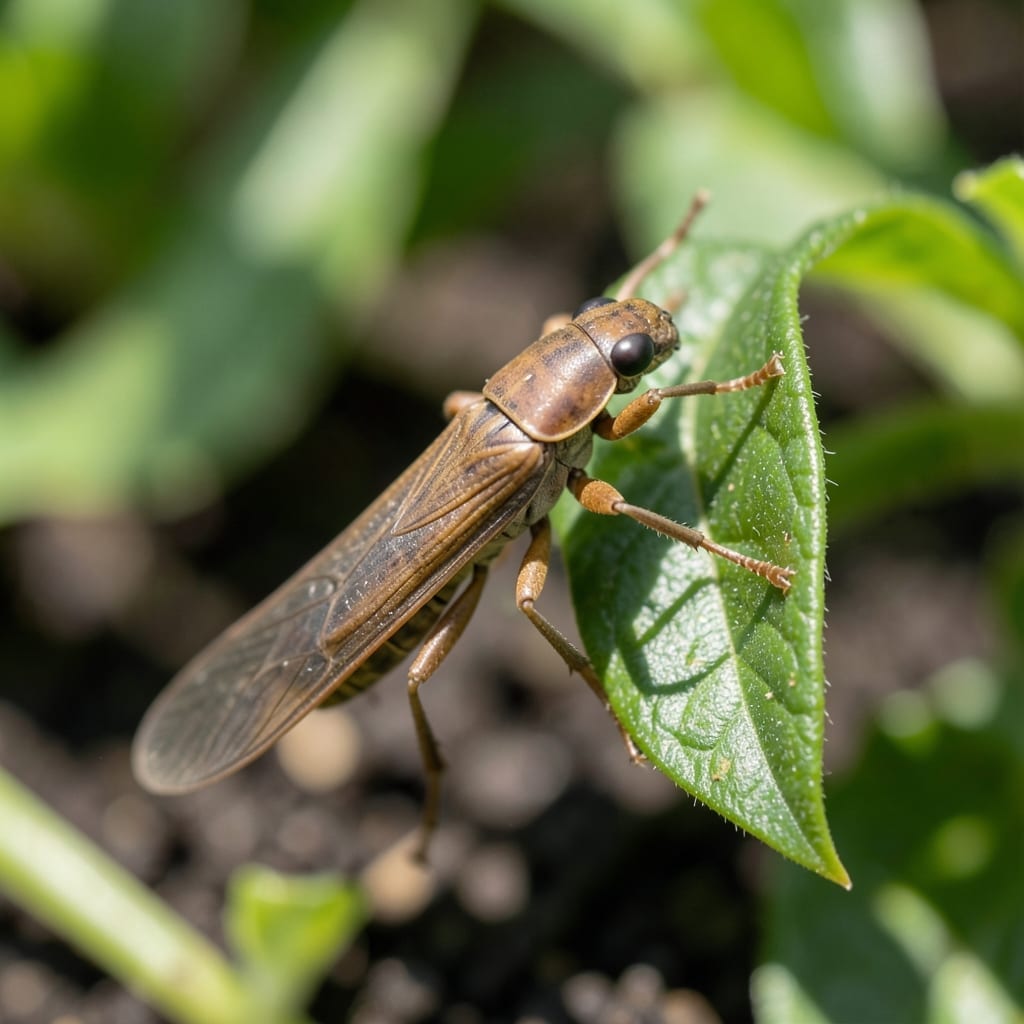
I’ve spent summer evenings watching lightning bugs flicker across my yard, always wondering what fuels their glow. 🌟 Their diet is surprisingly simple yet fascinating, especially once you dig into the details.
Adults often don’t eat at all—just sip water or nectar when they do. The real feeding happens in their larval stage, when they hunt snails, slugs, and worms, injecting them with a paralyzing substance to digest their prey.
What’s wild is how their diet changes as they grow. Some species even consume other lightning bug larvae, proving nature’s survival-of-the-fittest rule applies even to these glowing insects.
Understanding this helps explain their role in the ecosystem and why we see them less in areas with fewer natural food sources.
Lightning bugs, or fireflies, have specialized diets shaped by their life stages and ecological roles. Their feeding habits serve distinct biological purposes, from survival to reproduction. Here’s why their diet varies so dramatically:
As larvae, fireflies are carnivorous and primarily consume soft-bodied prey like snails, slugs, worms, and other insects. This diet is rich in protein and essential nutrients, fueling their rapid growth. Their predatory behavior is an evolutionary adaptation—larvae inject digestive enzymes into prey to liquefy internal tissues before consumption, maximizing nutrient absorption.
Most adult fireflies do not eat at all or consume very little. Their short adult lifespan (often just weeks) is focused on mating, not feeding. Some species may sip nectar or pollen for minimal energy, but their primary energy source comes from reserves stored during the larval stage. This shift reflects their biological priority: reproduction over sustenance.
Certain firefly species, like the Photuris genus, exhibit unique dietary traits. Females of some species are known to mimic the mating flashes of other firefly species to lure and eat males—a behavior called aggressive mimicry. This predation provides additional nutrients for egg development, showcasing how diet can be tied to reproductive success.
Lightning bugs, or fireflies, thrive when their natural diet and habitat are supported. Here’s how to address common issues that may disrupt their feeding and survival.
Fix: If lightning bugs in your area seem scarce, it may be due to a lack of their primary food sources—snails, slugs, and small insects. Introduce natural prey by creating a moist, leaf-littered environment or adding a small water feature to attract these creatures.
Prevention: Avoid overusing pesticides, as they can eliminate the insects lightning bugs rely on. Instead, opt for organic gardening practices.
Fix: Lightning bugs need tall grass, shrubs, and trees to hide and hunt during the day. If your yard is too manicured, allow a section to grow wild or plant native vegetation. This provides shelter and encourages prey populations.
Prevention: Minimize outdoor lighting at night, as artificial lights can disrupt their natural behaviors, including feeding and mating.
Fix: Lightning bug larvae require damp soil to survive. If your soil is dry, water the area lightly in the evening to maintain moisture. A shallow dish of water with pebbles can also provide a safe drinking spot for adults.
Prevention: Avoid draining wetlands or removing natural water sources, as these are critical for their lifecycle.
💡 Pro Tip: Plant pollen- and nectar-rich flowers like goldenrod or milkweed to attract adult lightning bugs, which occasionally feed on these as a supplementary food source.
Most adults don’t eat or consume very little. Their short lifespan focuses on mating, not feeding. Some may sip nectar or pollen for minimal energy.
Larvae are carnivorous, feeding on soft-bodied prey like snails, slugs, and worms. They inject digestive enzymes to liquefy their prey’s internal tissues.
No, larvae require their natural prey to grow. Without snails, slugs, or worms, they won’t get the protein and nutrients needed for development.