
Beautiful Plants For Your Interior
Beautiful Plants For Your Interior
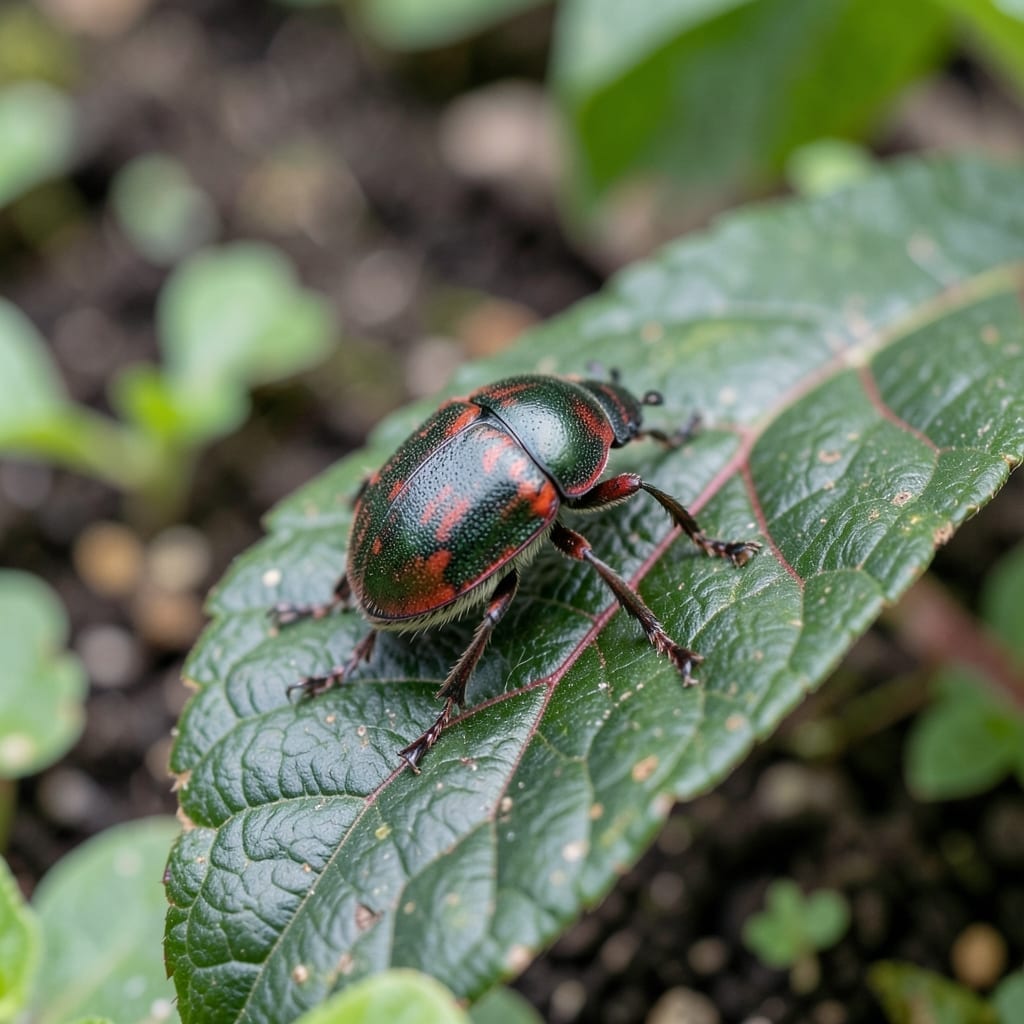
They skeletonize my roses in 24 hours flat. Japanese beetles are the garden bullies that show up uninvited every summer, but I’ve found exactly what makes them turn tail and leave.
The solution isn’t expensive sprays or toxic chemicals. It’s about using what they naturally avoid: certain plants, scents, and barriers that send them packing. My garden stays beetle-free with just a few strategic choices.
You’ll protect your roses, grapes, and beans without harming pollinators or the soil. The best part? These methods work within 48 hours of application, and the beetles learn to avoid your yard entirely.
Works for organic gardeners, small plots, or large landscapes. Here’s what actually repels them.
Japanese beetles avoid certain plants and substances due to biological and chemical triggers. Here’s why these repellents work so effectively:
Many plants naturally produce compounds that Japanese beetles find toxic or unpalatable. For example, garlic, chives, and onions contain sulfur-based compounds that disrupt the beetles’ feeding patterns. These compounds interfere with their sensory receptors, making the plants unappealing or even harmful if ingested.
Beetles rely heavily on scent to locate food. Plants like catnip, basil, and marigolds emit strong aromas that mask the scent of their preferred hosts (e.g., roses, grapes, or beans). The volatile oils in these plants, such as nepetalactone in catnip or eugenol in basil, overwhelm the beetles’ olfactory system, deterring them from landing or feeding.
Some repellents work by creating an unfavorable physical environment. Diatomaceous earth and kaolin clay coat the beetles’ bodies, causing dehydration or irritation. Similarly, the rough or hairy leaves of plants like lamb’s ear make it difficult for beetles to grip and feed, forcing them to move on.
Japanese beetles release pheromones to attract mates and congregate on plants. Certain repellents, like neem oil, contain azadirachtin, which disrupts these chemical signals. Without clear pheromone cues, beetles become disoriented and fail to aggregate, reducing their population density in your garden.
Japanese beetles can wreak havoc on your garden, but you can fight back with these practical, natural solutions to repel them effectively. Below are targeted fixes for common beetle hotspots, along with prevention tips to keep them from returning.
Japanese beetles hate the strong scents of certain plants. Interplant garlic, chives, or catnip near vulnerable vegetation like roses or beans. For immediate action, spray a mix of neem oil and water (1 tbsp oil per gallon) on leaves—reapply every 5–7 days or after rain.
Beetle grubs (larvae) thrive in moist, healthy soil. Apply beneficial nematodes (like Heterorhabditis bacteriophora) to lawns and garden beds in early summer—they’ll hunt and kill grubs naturally. For a DIY approach, milky spore powder (a bacterial treatment) can be sprinkled on soil to infect and reduce grub populations over time.
Prevent adult beetles from reaching plants with floating row covers (lightweight fabric) or fine mesh netting. Secure edges tightly to the ground. For smaller areas, hand-picking beetles early in the morning (when they’re sluggish) and dropping them into soapy water is surprisingly effective.
Consistency is key—combine 2–3 methods for the best results and enjoy a beetle-free garden!
Yes! Planting garlic, chives, or catnip near roses or beans creates a natural barrier. Their strong scents mask the smell of the plants beetles love.
Spray every 5-7 days or after rain. Neem oil breaks down quickly, so consistent application is key for best results.
Traps attract more beetles than they catch. Place them at least 30 feet from your garden to lure beetles away, not toward your plants.
A soap-and-water spray kills beetles on contact. Mix 1 tablespoon of dish soap with 1 quart of water and spray directly.