
Beautiful Plants For Your Interior
Beautiful Plants For Your Interior
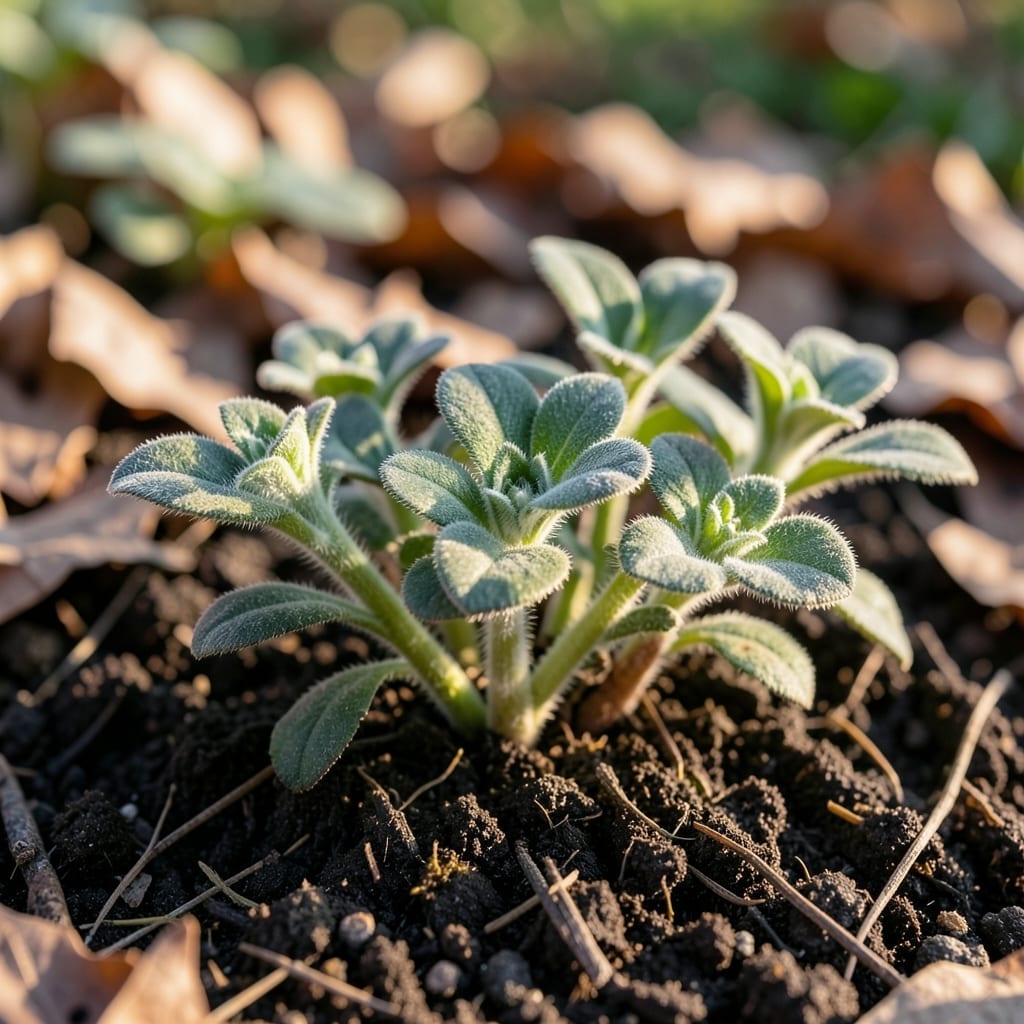
First hellebore seedlings caught me off guard last spring. Tiny, rounded cotyledons appear first, looking nothing like their future selves. They’re pale green, almost translucent, and no bigger than a dime.
Within 2-3 weeks, the true leaves emerge—dark green, leathery, and slightly serrated. These look more like the mature plant but stay small for months. Don’t mistake them for weeds; hellebores grow slowly at first.
By early summer, seedlings develop a low rosette of three to five leaves. The color deepens, and the texture thickens. Their shape is distinct: broad at the base, narrowing to a point.
Keep the soil moist but not soggy, and protect them from harsh sun. Patience pays off—these will bloom in 2-3 years.
Understanding why hellebore seedlings can look different comes down to a few key biological and environmental factors. Here’s what’s at play:
Hellebores (Helleborus spp.) are highly variable due to their genetic makeup. Even seedlings from the same parent plant can exhibit slight differences in cotyledon shape, size, or color. This natural variation is a result of sexual reproduction, where genetic recombination occurs. If you’ve planted seeds from hybrid hellebores, expect even more diversity, as hybrids often produce offspring with unpredictable traits.
Light, temperature, and moisture levels during germination can influence seedling appearance. For example, seedlings grown in low light may develop elongated, pale cotyledons as they stretch toward light (a condition called etiolation). Conversely, those in cooler temperatures might grow more compactly. Inconsistent moisture can also lead to uneven growth, affecting leaf development.
Hellebore seedlings change dramatically as they mature. Initially, they produce cotyledons—simple, rounded seed leaves that provide early nourishment. Later, true leaves emerge, which are more complex and resemble the adult plant’s foliage. If your seedlings look different from one another, they may simply be at different stages of this process.
If your hellebore seedlings don’t match the classic look—two rounded cotyledons followed by dark, leathery true leaves—here’s how to troubleshoot and correct common problems.
Fix: Move them to bright, indirect light immediately. Use a grow light if natural light is insufficient. Thin crowded seedlings to 2–3 inches apart to reduce competition.
Prevention: Start seeds in a well-lit area from the beginning and avoid overwatering, which can weaken stems.
Fix: Check soil moisture—dry or soggy conditions stress seedlings. Water when the top inch of soil is dry. Feed with a half-strength balanced fertilizer if nutrient deficiency is suspected.
Prevention: Use a well-draining potting mix and containers with drainage holes to avoid waterlogging.
Fix: Inspect for pests like slugs or snails. Handpick them at dawn/dusk or use organic baits. For aphids, spray with soapy water (1 tsp mild soap per quart of water).
Prevention: Keep the growing area clean, remove debris, and consider a cloche or row cover for outdoor seedlings.
Fix: Be patient—hellebores are slow growers! Ensure consistent moisture and temperatures between 60–70°F. If growth stalls, a gentle liquid fertilizer can encourage development.
Prevention: Sow seeds fresh (they lose viability quickly) and maintain steady conditions to avoid shocking the seedlings.
💡 Pro Tip: Label seedlings with the sowing date. Hellebore true leaves can take 3–6 months to appear, so tracking time helps you stay the course!
Cotyledons typically last 2-4 weeks before true leaves emerge. They’ll wither naturally as the seedling matures and no longer needs this initial food source.
Hellebores grow slowly at first—true leaves start tiny and gradually expand. Ensure adequate light and avoid over-fertilizing, which can stress young plants.
Yes, but handle them gently by the leaves, not stems. Transplant to individual pots once they have 2-3 true leaves for best survival rates.
Natural variation is common, especially with hybrid seeds. Differences in light, temperature, or maturity stage during germination can also cause this.