
Beautiful Plants For Your Interior
Beautiful Plants For Your Interior
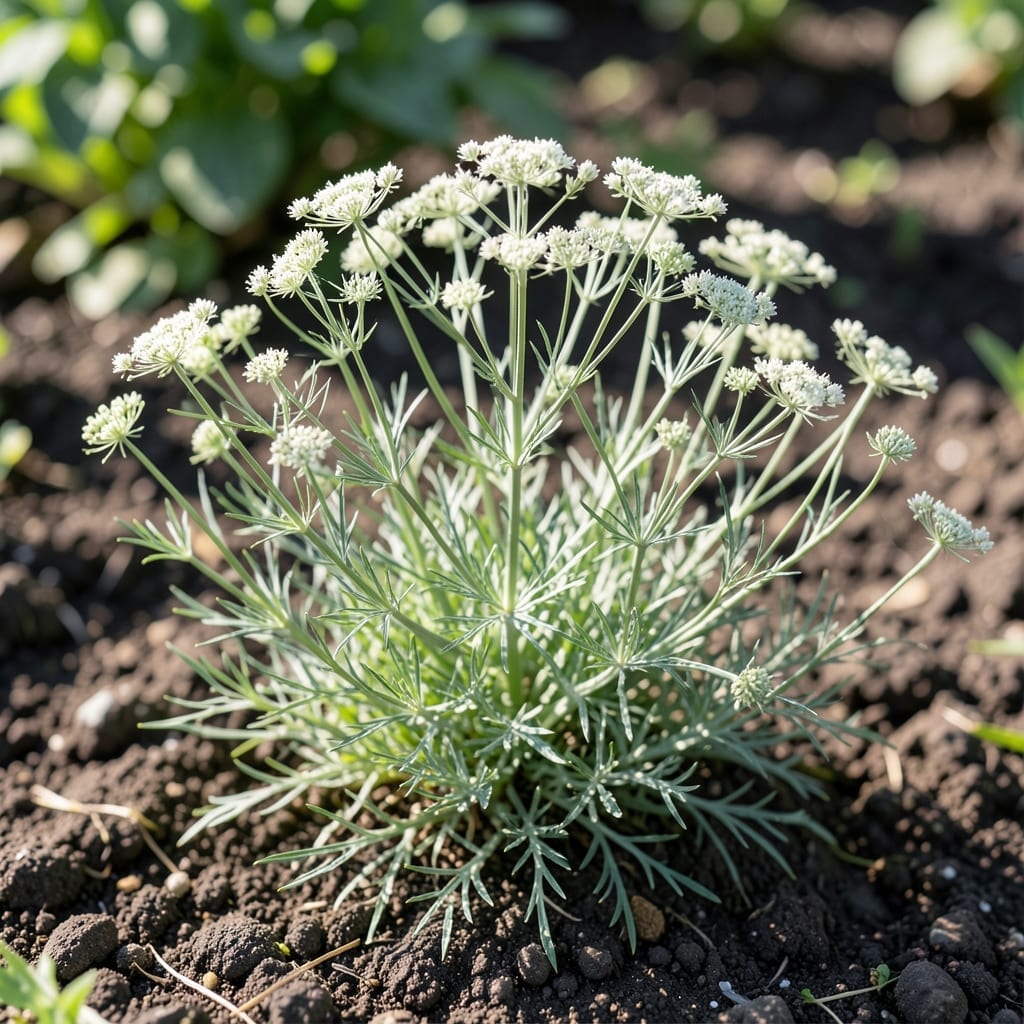
First time growing gypsophila, I was stunned by how delicate the seedlings appear. Tiny green clusters emerge, each topped with needle-thin leaves that look almost like fern fronds in miniature.
These feathery leaves are the giveaway—no other common seedling has that same wispy texture. They start as pale green sprays, then deepen as they mature, forming dense little tufts that eventually spread into airy clouds.
Healthy ones have a bright green color and firm stems that don’t flop over. If they look leggy or yellow, they’re likely stretching for more light or getting too much water.
Within 4-6 weeks, you’ll see the true form taking shape, ready for transplanting into their permanent home.
Understanding why Gypsophila seedlings develop their signature delicate, feathery leaves involves a mix of genetic programming and environmental influences. Below are the key factors that shape their appearance:
Gypsophila (Baby’s Breath) is naturally predisposed to produce fine, needle-like foliage due to its DNA. This species belongs to the Caryophyllaceae family, which often features slender leaves to minimize water loss in its native arid habitats. The seedlings inherit this trait, resulting in the lacy, airy clusters gardeners recognize.
In dry conditions, Gypsophila seedlings develop thin, wiry leaves to reduce surface area and conserve moisture. This adaptation ensures survival in low-water environments, making the feathery look a functional advantage rather than just an aesthetic one.
Full sun exposure triggers compact, dense growth in seedlings. Without adequate light, they may stretch and lose their characteristic tufted appearance. Ensure 6+ hours of sunlight daily to maintain their iconic delicate structure.
Cool to moderate temperatures (60–75°F) promote healthy leaf development. Extreme heat can cause stress, leading to stunted or misshapen growth. Consistent temperatures help seedlings retain their feathery, clustered form.
If your gypsophila seedlings don’t match the expected tiny green clusters with feathery leaves, here’s how to troubleshoot and correct common problems.
Cause: Insufficient light.
Fix: Move seedlings to a brighter spot or supplement with a grow light (12–16 hours daily). If they’re already stretched, gently bury the stems deeper when transplanting to encourage stability.
Prevention: Start seeds in a well-lit area from day one. Use a south-facing window or LED grow lights for consistent exposure. 💡
Cause: Overwatering or poor drainage.
Fix: Let the soil dry slightly between waterings. Repot seedlings in a well-draining mix (add perlite or sand) and ensure containers have drainage holes.
Prevention: Water from the bottom to avoid soggy soil, and use a spray bottle for gentle misting. ✨
Cause: Pest damage (e.g., aphids or slugs).
Fix: Spray with neem oil or insecticidal soap for soft-bodied pests. For slugs, set up beer traps or diatomaceous earth barriers.
Prevention: Inspect seedlings daily and keep the growing area clean. Introduce beneficial insects like ladybugs for natural pest control. 🎯
Cause: Slow germination due to cold soil or old seeds.
Fix: Warm the soil with a heat mat (70–75°F) and use fresh, high-quality seeds. Thin seedlings to reduce competition.
Prevention: Sow seeds in pre-moistened soil and cover trays with plastic wrap to retain warmth until germination. ⏰
True feathery leaves appear in 2-3 weeks after germination. The first leaves are simple, but the signature needle-like foliage develops as they mature.
Leggy growth means they’re stretching for light. Move them to a sunnier spot or use a grow light for 12-16 hours daily. Burrying stems deeper during transplanting can help.
Yes, but they need bright light and good air circulation. Use a south-facing window or LED grow lights, and keep soil moist but not soggy.
Wait until after the last frost and when seedlings have 4-6 true leaves. Harden them off for a week first to prevent shock.