
Beautiful Plants For Your Interior
Beautiful Plants For Your Interior
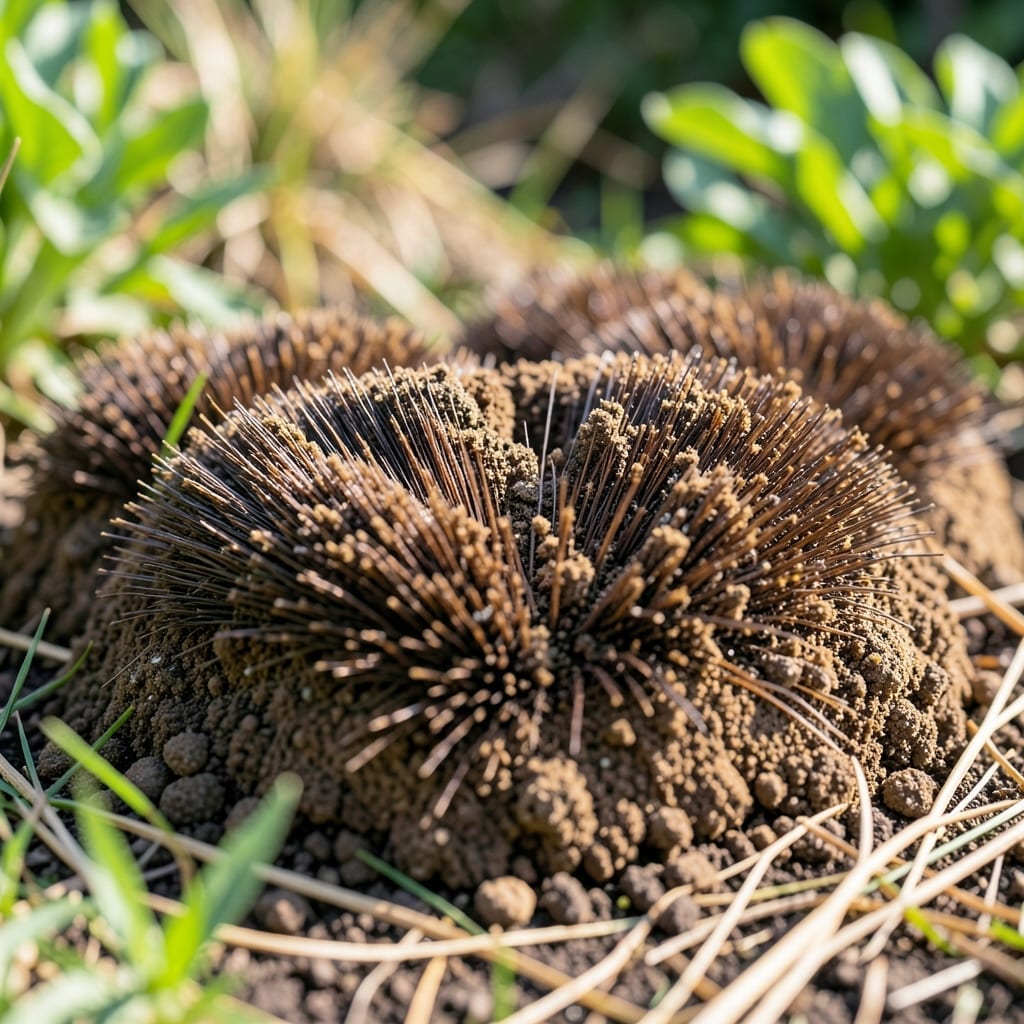
Fresh dirt piles appeared overnight in my garden last spring. 🌱 They weren’t molehills or ant mounds—these had a distinct hole plugged with loose soil, like a cork in a bottle.
Gopher mounds are their calling card. Unlike other pests, they push dirt up from below, creating fan-shaped piles with a visible entrance hole. The soil feels soft and fresh, often darker than the surrounding ground.
I learned these mounds mean trouble for roots and bulbs. One gopher can create dozens in a season, turning a pristine lawn into a minefield of dirt hills.
Spot them early and you can save your garden from underground invaders. The key is knowing exactly what to look for.
Gopher mounds are a natural byproduct of these burrowing rodents’ underground activities. Understanding why they create these dirt piles helps explain their distinctive appearance and location in your yard or garden. Below are the primary causes, each tied to the gopher’s survival behaviors.
Gophers dig extensive tunnel systems to live, store food, and avoid predators. As they burrow, they push loose soil to the surface using their powerful front paws and cheeks, forming the classic fan- or crescent-shaped mounds. These piles often appear overnight, as a single gopher can move up to a wheelbarrow’s worth of dirt in a day.
Gophers plug the openings of their tunnels with dirt to block predators like snakes or badgers. This creates the telltale hole plug at the center of the mound. The plugged entrance also helps maintain humidity and temperature within their underground network, which is critical for their survival.
Some mounds form above lateral tunnels connected to food caches. Gophers store roots, bulbs, and vegetation in these side chambers, and the digging process displaces soil upward. These mounds may appear in clusters where the gopher is actively foraging, often near gardens or lawns with abundant plant life.
Mounds can also serve as ventilation shafts or drainage points. By pushing soil to the surface, gophers create small air pockets that improve oxygen flow in their tunnels. In wet conditions, these mounds help divert water away from their living spaces, preventing flooding in their burrows.
Dealing with gopher mounds can feel like a never-ending game of whack-a-mole, but the right approach can help you reclaim your yard. Below are targeted solutions based on the cause of the problem, along with prevention tips to keep these pests from returning.
If you notice fresh mounds with plug holes, gophers are likely still active. Live traps or lethal traps placed near the mound entrance can effectively remove them. For best results, set traps in the early morning or late evening when gophers are most active. Check local regulations before using lethal methods.
Prevention tip: 💡 Install underground wire barriers (at least 2 feet deep) around gardens or lawns to block burrowing.
If mounds are ruining your lawn, try castor oil-based repellents or vibrating sonic spikes. These deter gophers by making the soil less appealing. Apply repellents after rain for deeper penetration.
Prevention tip: ✨ Reduce irrigation in problem areas—gophers prefer moist, loose soil. Water deeply but less frequently to discourage them.
Gophers return if their food supply (roots, grubs) remains. Remove weeds and excess vegetation, and consider beneficial nematodes to target grubs in the soil. A well-maintained yard is less inviting.
Prevention tip: 🎯 Plant gopher-resistant species like daffodils, lavender, or rosemary near vulnerable areas.
Consistency is key—combine methods for the best results. If mounds persist, consult a pest control professional for tailored advice.
That hole is the plugged entrance to their tunnel system. Gophers seal it with loose soil to block predators and maintain their underground environment. The plug often looks like a cork in a bottle.
Gopher mounds are fan-shaped with a visible hole plug, while mole hills are more circular with no obvious opening. Gopher soil also feels softer and fresher to the touch.
Both! Single mounds often mark new burrowing, while clusters indicate active foraging areas. A gopher can create dozens in a season, especially near food sources like gardens.