
Beautiful Plants For Your Interior
Beautiful Plants For Your Interior
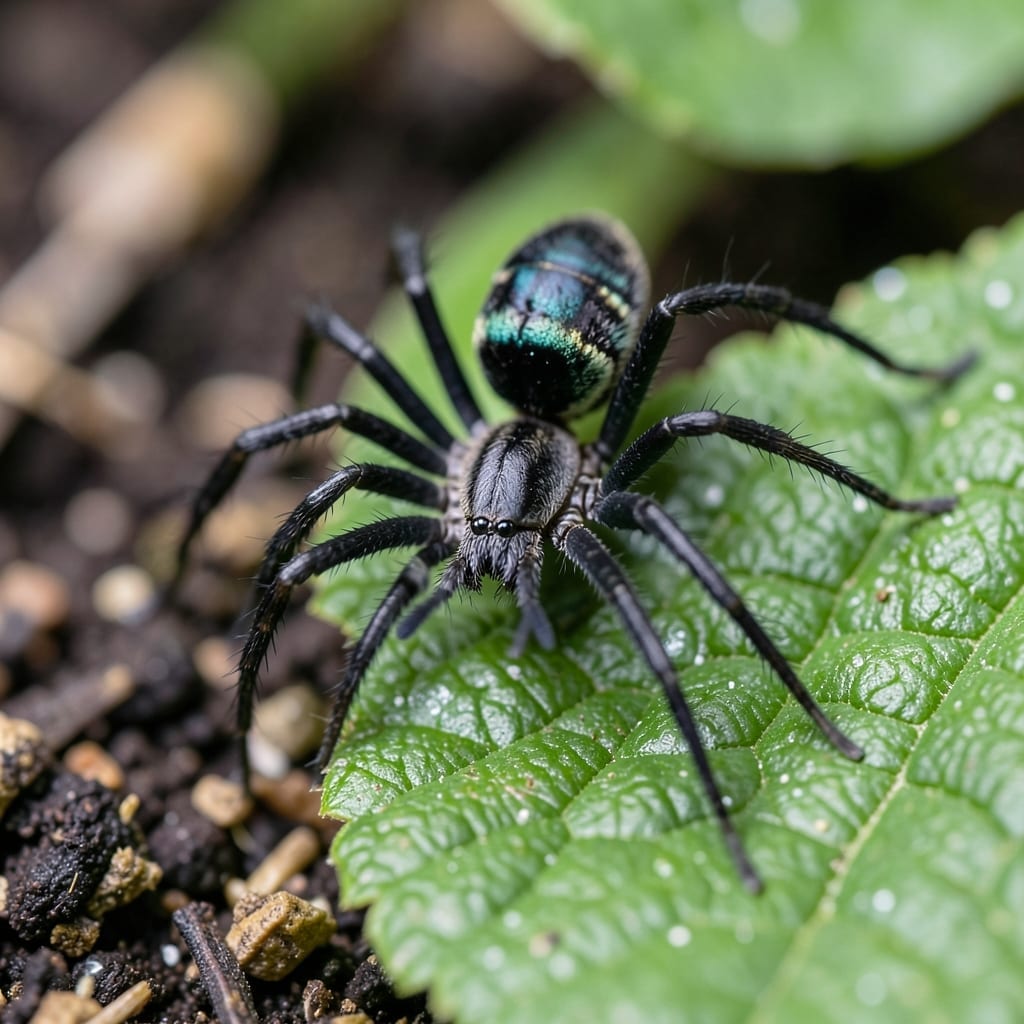
I used to panic seeing garden spiders in my plants, until I realized they’re the best pest control money can’t buy. These eight-legged hunters keep aphids, flies, and even small caterpillars in check without me lifting a finger.
Their natural diet is a who’s who of garden troublemakers: mosquitoes, beetles, and grasshoppers all end up as meals. A single spider can consume hundreds of pests in a season, doing more good than harm to your garden ecosystem.
Here’s the thing—they’re not interested in your plants. Garden spiders spin webs to catch flying insects, not to damage foliage. Your roses and tomatoes are safe, but the pests attacking them? Not so much.
Only relocate them if their webs become an eyesore or safety issue. Otherwise, consider them your free, chemical-free pest control squad, working overtime to protect your garden.
Garden spiders are opportunistic predators, and their diet is shaped by several biological and environmental factors. Understanding these causes helps explain their feeding habits and how they contribute to garden ecosystems.
Garden spiders, like most arachnids, are born with hardwired predatory behaviors. Their nervous systems are finely tuned to detect vibrations and movement, which trigger an automatic hunting response. When prey like flies, beetles, or moths blunder into their webs, the spider’s instinct is to immobilize and consume it immediately. This isn’t learned—it’s a survival mechanism evolved over millions of years.
Gardens are biodiversity hotspots, offering a buffet of insects that garden spiders rely on. Flowers attract pollinators like bees and butterflies, while decaying plant matter draws flies and beetles. The spider’s web location—often near light sources or dense foliage—maximizes exposure to these prey items. The more diverse the garden ecosystem, the broader the spider’s diet becomes.
Temperature and humidity directly impact both spider activity and prey abundance. In warmer months, insects are more active, leading to higher feeding rates. Rainy or humid conditions can also drive more insects into sheltered areas where spiders build webs. Conversely, drought or cold may reduce prey availability, forcing spiders to adapt or enter dormancy.
Garden spiders engineer their webs as highly efficient traps. Orb weaver spiders, for example, construct spiral webs that are strong, sticky, and strategically placed to intercept flying insects. The silk’s elasticity ensures prey remains trapped long enough for the spider to subdue it. This specialized web design is a primary reason they successfully capture such a wide variety of garden pests.
Garden spiders are natural pest controllers, but if their diet affects your space, these practical solutions can help balance their presence. Here’s how to address common concerns while keeping your garden healthy.
If garden spiders are overrunning your plants or walkways, gently relocate them. Use a glass and paper to carefully trap and move them to a less frequented area. This keeps their pest-controlling benefits without disrupting your space.
Prevention tip: 💡 Regularly clear webs from high-traffic areas to discourage them from rebuilding in the same spot.
Garden spiders thrive where prey like aphids, flies, and beetles are abundant. To limit their food source, use natural pest deterrents such as neem oil, companion planting (like marigolds), or introducing predator insects like ladybugs.
Prevention tip: 🌿 Maintain garden hygiene by removing decaying plant matter, which can harbor prey insects.
While spiders rarely harm plants directly, their webs can sometimes smother young shoots. Gently remove webs with a soft brush or stream of water. For delicate plants, use lightweight row covers to create a barrier without harming the spiders.
Prevention tip: ✨ Plant spider-repelling herbs like peppermint or eucalyptus near vulnerable plants to deter web-building.
If garden spiders are venturing indoors, check for cracks in windows, doors, or foundations. Seal gaps with caulk or weather stripping, and install screens on windows and vents. Keep outdoor lights off at night to reduce flying insect prey near entryways.
Prevention tip: 🎯 Place citrus peels or chestnuts near entry points—spiders dislike these scents.
Occasionally, but it’s rare. They primarily catch pests like flies and beetles. To protect bees, place webs away from flowers or relocate spiders if needed.
They can survive weeks without food but eat daily when prey is abundant. A well-fed spider consumes 2-3 insects per day in peak season.
Yes, but they prefer smaller insects. Their venom can subdue prey up to twice their size, though it’s risky and rare.
Unlikely. They’re adaptable and will hunt elsewhere or enter dormancy. A balanced garden ensures they always find food.