
Beautiful Plants For Your Interior
Beautiful Plants For Your Interior
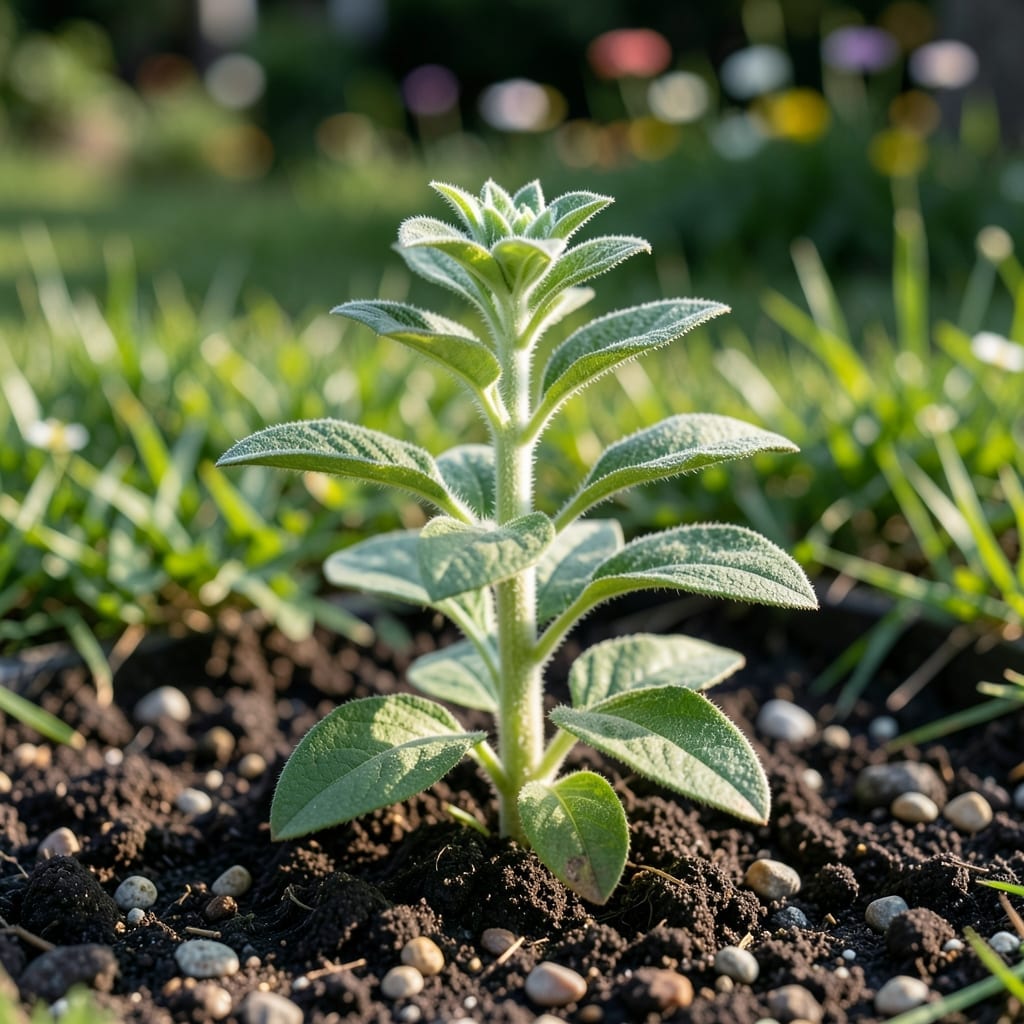
Spotting echinacea seedlings early saves you from pulling them by mistake. I learned this the hard way after mistakenly weeding my first batch.
These tiny plants start with two oval leaves, bright green and slightly fuzzy. Within 2-3 weeks, true leaves appear—longer, narrower, and with a rough texture that sets them apart from weeds.
The stems stay short and sturdy, often with a slight purple tint at the base. By 6 weeks, you’ll see the characteristic daisy-like rosette forming at soil level.
They grow slowly at first, but once established, they’ll reward you with those iconic purple-pink blooms by their second year.
Echinacea seedlings can look different based on several key factors. Understanding these causes helps you identify healthy growth and troubleshoot issues early.
Echinacea (coneflower) species and cultivars exhibit natural variation in seedling appearance. Purple coneflower (Echinacea purpurea) typically starts with oval, slightly hairy cotyledons, while Echinacea angustifolia may have narrower first leaves. Hybrid varieties can display mixed traits, so always check the seed packet for species-specific details.
Light, temperature, and moisture levels directly impact seedling morphology. Leggy, pale seedlings often result from insufficient light (etiolation), while thick, stunted growth can signal cold stress or overwatering. Ideal conditions—65–75°F (18–24°C) with 12–14 hours of light—promote compact, vibrant green seedlings with distinct veining.
Soil composition affects early development. Nitrogen-deficient seedlings may appear yellowish (chlorotic), while excess nitrogen can cause overly lush but weak growth. A balanced, well-draining seed-starting mix with minimal fertilizer ensures healthy, true-to-type cotyledons and first true leaves.
Seedlings change rapidly. The first stage (cotyledons) features two rounded leaves, while the second stage (true leaves) introduces jagged, lance-shaped foliage. Misidentifying stages can lead to confusion—always compare against a growth timeline for accuracy.
If your echinacea seedlings don’t match the expected appearance, here’s how to troubleshoot and prevent problems:
Fix: Move seedlings to a brighter location or use a grow light 12–16 hours daily. If they’re already stretched, gently bury the stems deeper when transplanting to encourage stronger roots.
Prevention: Start seeds under lights or in a sunny windowsill (south-facing is best). Avoid overcrowding, which causes competition for light.
Fix: Check soil moisture—overwatering or drought can cause discoloration. Let the top inch of soil dry between waterings. If the issue persists, test soil pH (echinacea prefers 6.0–7.0) and amend with compost for nutrients.
Prevention: Use well-draining soil and water only when the surface feels dry. Fertilize lightly with a balanced organic mix once true leaves appear.
Fix: Spray aphids off with water or use insecticidal soap. For slugs, set up beer traps or handpick them at dusk. Damaged leaves won’t recover, but new growth will emerge healthy.
Prevention: Keep the growing area clean and free of debris. Introduce beneficial insects like ladybugs or use copper tape around pots to deter slugs.
Label seedlings early! Echinacea cotyledons resemble other seedlings (like lettuce), so tags prevent mix-ups. True leaves—rough, slightly hairy, and oval-shaped—are your confirmatory clue. ✨
Look for two oval, slightly fuzzy cotyledons first. True leaves appear in 2-3 weeks—they’re rough, lance-shaped, and have a purplish base. Weeds usually have smoother, more uniform leaves.
True leaves typically emerge 14-21 days after germination. They’ll be longer, narrower, and rougher than the initial cotyledons, forming a small rosette at the soil line.
This usually means insufficient light. Move them to a sunnier spot or use a grow light for 12-14 hours daily. Leggy seedlings can be buried deeper when transplanting to strengthen stems.
Yes! A slight purple tint at the stem base is normal, especially in cooler temperatures. It doesn’t affect growth and often fades as the plant matures.